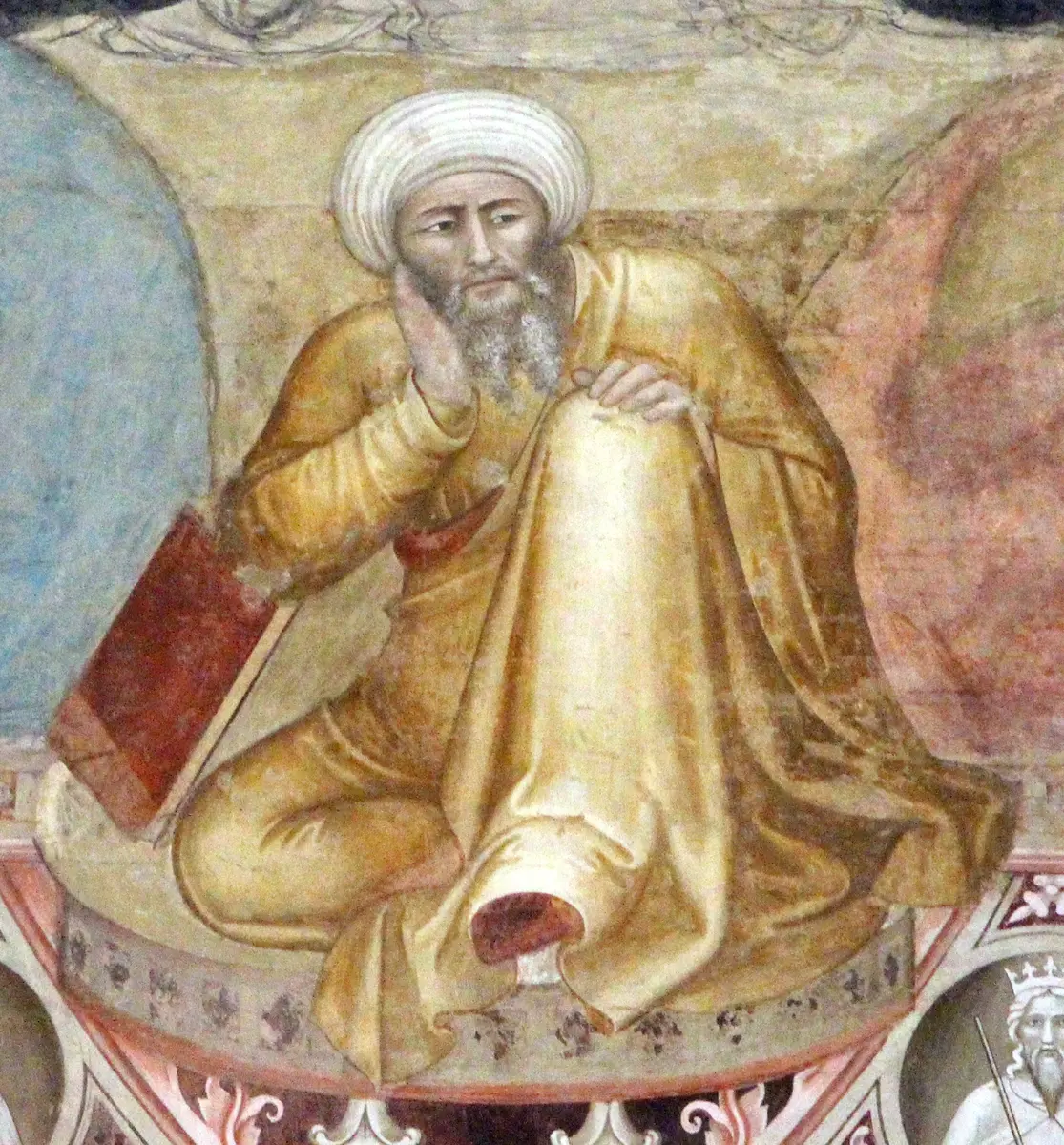
Averroes
“Ibn Rushd of Córdoba, judge, physician and philosopher, whose commentaries on Aristotle made him 'the Commentator' to medieval Europe and whose Decisive Treatise argued that reason and revelation cannot truly conflict.”
Averroes, in Arabic Abu al-Walid Muhammad ibn Ahmad ibn Rushd, was a judge, physician and philosopher of Muslim Spain, and the greatest commentator on Aristotle of the Middle Ages. He was born at Córdoba in 1126 into a family of jurists: his grandfather, who bore the same name, had been chief judge of the city and a famous writer on Islamic law, and his father held the same office. He was trained in the religious sciences, in law and in medicine, and he grew up under a change of masters: when he was in his early twenties the Almohads, a Berber reform movement from Morocco, replaced the Almoravids as rulers of North Africa and al-Andalus, and his family, which had been close to the old dynasty, had to win the favour of the new one.
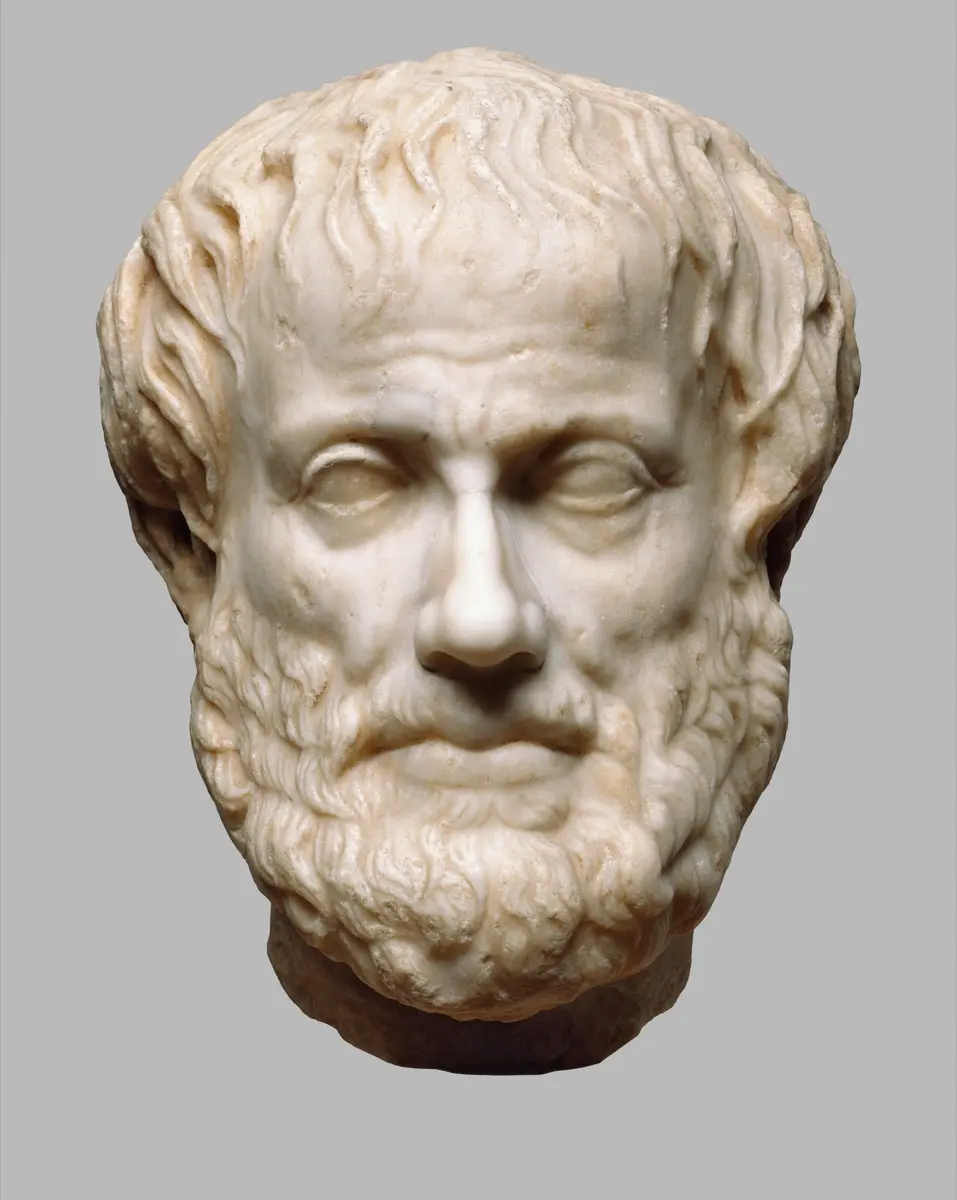
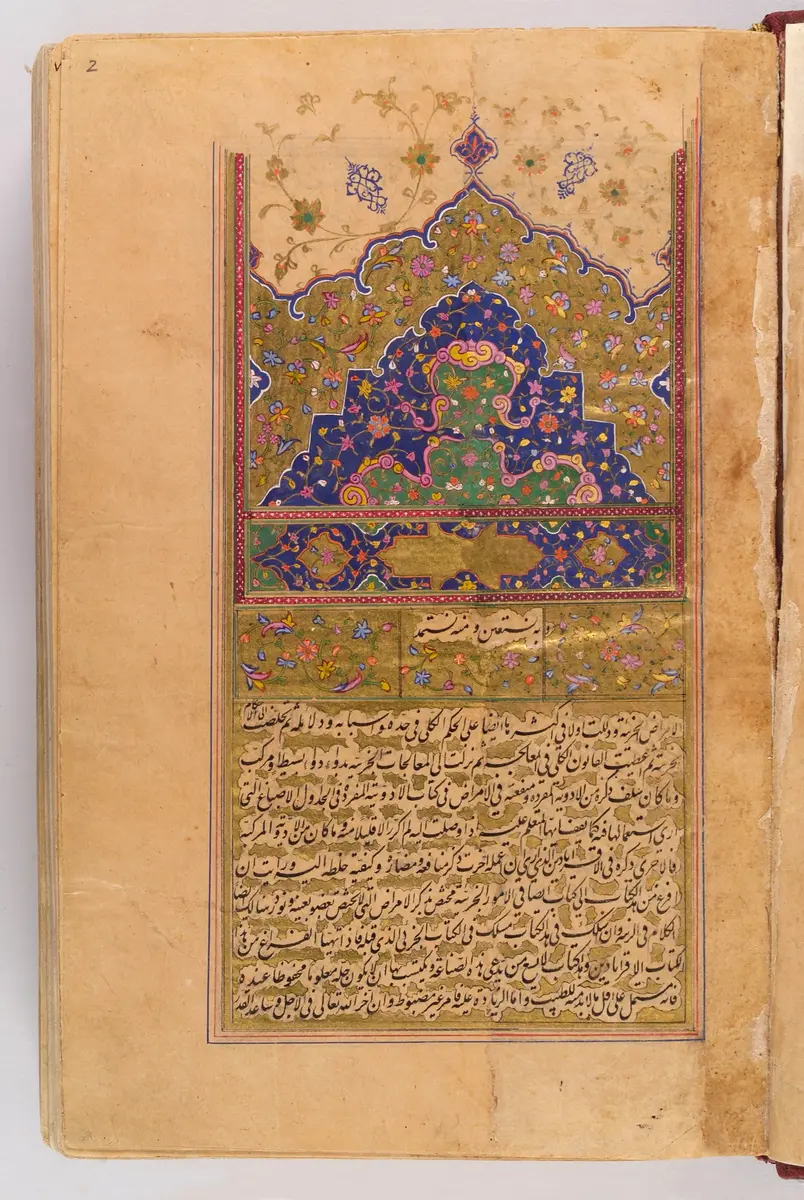
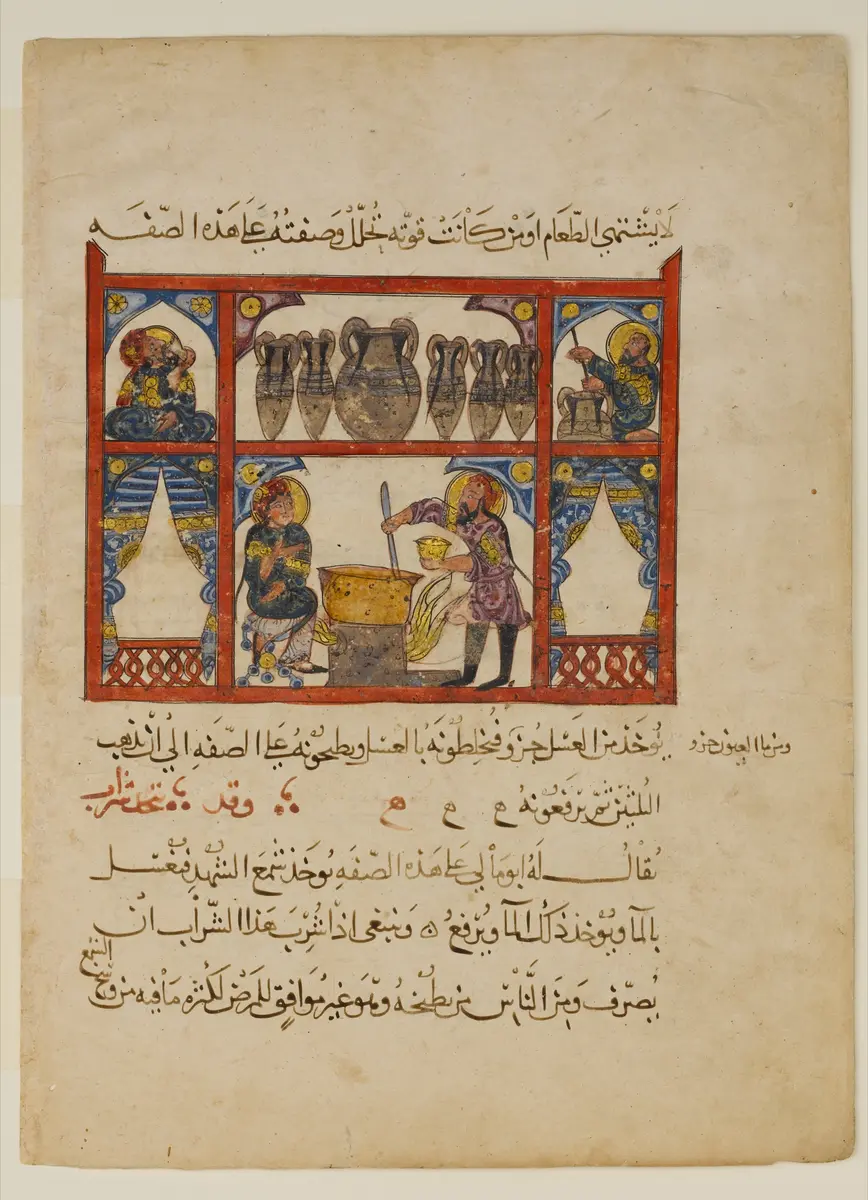
It did. In about 1169 the philosopher Ibn Tufayl, physician to the second Almohad caliph Abu Yaqub Yusuf, introduced him at the court of Marrakesh. The caliph, a keen reader of philosophy, complained that Aristotle was impossible to understand in the existing Arabic versions and asked Ibn Rushd to explain him. The commission became the work of his life. Between 1169 and 1195, while serving as judge at Seville and then at Córdoba, and from 1182 as the caliph's own physician, he wrote commentaries on almost everything Aristotle had written, often three on the same book: a short summary, a middle paraphrase and a long, line-by-line exposition. Aristotle's Politics was not available to him, so he commented on Plato's Republic instead. He also wrote on law, on grammar, on astronomy, and a medical encyclopaedia, the Kulliyat, known in Latin as the Colliget.
In three short works of 1178 to 1180 he defended philosophy itself. The Decisive Treatise argued that Islamic law not only permits but commands those able to do so to study the world by reason, and that scripture and demonstration cannot truly conflict; where they seem to, the text must be read in a deeper sense, though that sense should not be preached to the crowd. The Incoherence of the Incoherence answered al-Ghazali, the great theologian who a century earlier had declared the philosophers unbelievers for teaching that the world is eternal and that God does not know particulars; Ibn Rushd took his book apart point by point. His own most notorious thought was that the intellect which understands universal truths is one and the same for all human beings.
His defence of philosophy did not save him. In 1195 the caliph al-Mansur, fresh from a victory over Castile and in need of the support of the jurists, had him tried at Córdoba, ordered his books burned and banished him to the small town of Lucena. The disgrace was short: he was recalled to Marrakesh, where he died in December 1198. His body was later carried home to Córdoba; the young mystic Ibn Arabi, who had met him as a boy, remembered the coffin loaded on one side of a mule and his books on the other.
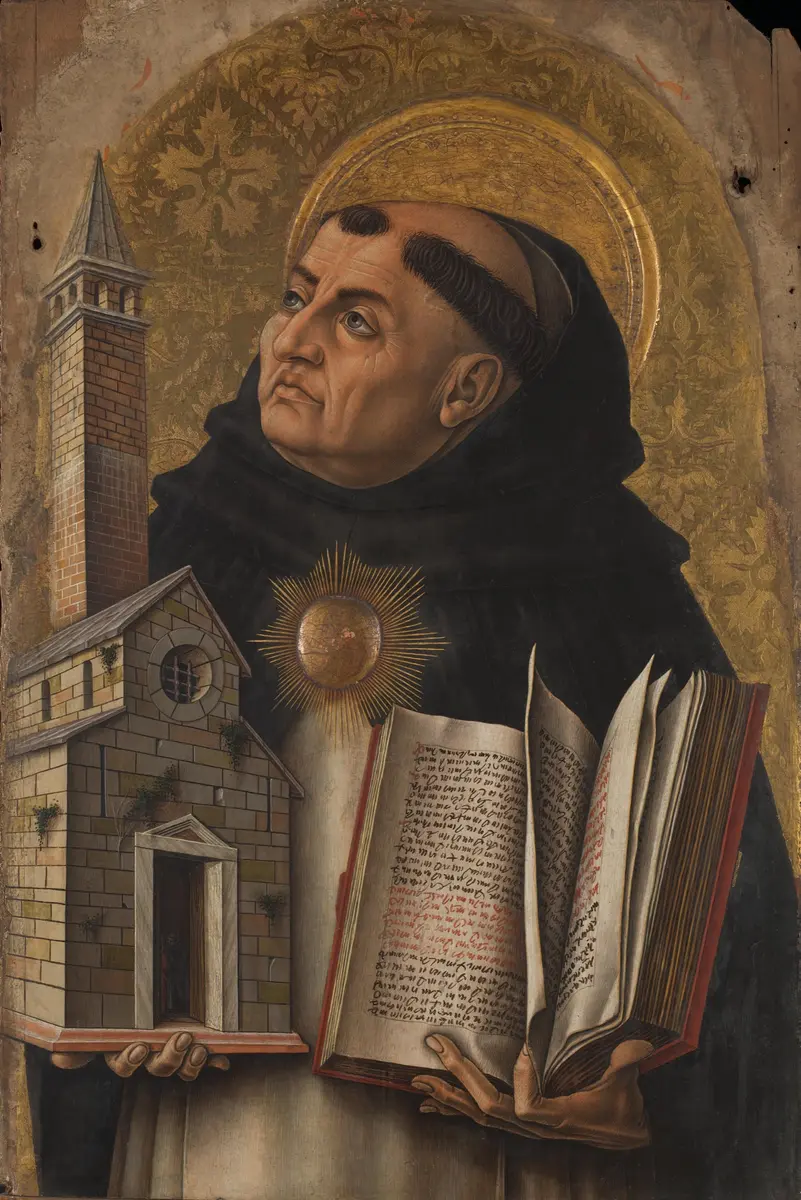
In the Islamic world his philosophy found few followers for centuries, although his law books stayed in use. Among Jews he became the authority on Aristotle, read in Hebrew translation from the 1230s, after Maimonides had praised his commentaries. And in Christian Europe, where Michael Scot began translating him into Latin around 1220, he became simply 'the Commentator': Thomas Aquinas relied on him while attacking his doctrine of the single intellect, the bishop of Paris condemned the 'Averroists' of the university in 1270 and 1277, and Dante placed him among the great minds of antiquity in Limbo as 'Averroes, who made the great Commentary'. Aristotle with his commentaries was printed at Venice in 1483, and new editions were still coming off the Venetian presses in the 1560s.
What happened
- 1126
Born at Córdoba, the capital of Muslim Spain, into a family of jurists: his grandfather of the same name had been chief judge of the city and imam of its Great Mosque, and his father held the judgeship too. Wikipedia gives the day as 14 April, which no source read here confirms.
Córdoba: the Great Mosque, where his grandfather was imam and chief judge; he was born in the city in 1126, was its judge from 1171 and its chief judge until 1195, was tried here that year, and his body was brought back to the family tomb after his death - 1148
The Almohads, a Berber reform movement from the Atlas, replace the Almoravids as masters of Morocco and al-Andalus; he is twenty-two, and his family, which had been close to the old dynasty, must prove its loyalty to the new rulers and their creed.
- 1153
In Marrakesh, the Almohad capital, probably helping the first caliph Abd al-Mumin with his new colleges; here, so the story goes, he observes the star Canopus, invisible from Spain, and takes it as proof that the earth is round. Little is known of the next fifteen years.
Marrakesh: the Kutubiyya mosque of the Almohad capital, where Ibn Tufayl presented him to the caliph in about 1169, where he served as court physician from 1182, and where he died on 10 or 11 December 1198 - 1162
Writes his medical encyclopaedia, the Kulliyat or 'Generalities', between 1162 and 1169: the Colliget of the Latin West, read for centuries beside the Taysir of his friend Ibn Zuhr.
- 1169
The philosopher Ibn Tufayl, physician to the caliph Abu Yaqub Yusuf, presents him at Marrakesh. The caliph asks whether the heavens are eternal or created; Ibn Rushd, fearing a trap, is silent until the caliph answers the question himself, then talks at length and is sent away with gifts. Soon afterwards comes the request that shapes his life: to explain Aristotle, whose Arabic versions the caliph finds impossible to follow.
Marrakesh: the Kutubiyya mosque of the Almohad capital, where Ibn Tufayl presented him to the caliph in about 1169, where he served as court physician from 1182, and where he died on 10 or 11 December 1198Appointed judge of Seville, the Almohad capital in Spain, and begins the commentaries; many of the works of the next ten years are dated at Seville.
Seville: the Giralda, the minaret of the Almohad mosque begun under his caliph in 1184; he was judge of Seville from 1169 and dated many of his works here in the 1170s- 1171
Judge at Córdoba, his own city, with its great library at hand; through the 1170s he also travels the Almohad lands as a judge, and the short and middle commentaries follow one another.
Córdoba: the Great Mosque, where his grandfather was imam and chief judge; he was born in the city in 1126, was its judge from 1171 and its chief judge until 1195, was tried here that year, and his body was brought back to the family tomb after his death - 1178
Writes the Decisive Treatise, arguing that the religious law itself commands the study of the world by reason, that demonstration and revelation cannot truly conflict, and that where scripture seems to say otherwise it must be interpreted, though only by those able to demonstrate and never before the crowd. The Exposition of the Methods of Proof follows in 1179.
- 1180
The Incoherence of the Incoherence: his answer, argument by argument, to al-Ghazali's Incoherence of the Philosophers, which a century earlier had charged the philosophers with unbelief for teaching that the world is eternal and that God knows no particulars.
- 1182
Succeeds Ibn Tufayl as personal physician to the caliph at Marrakesh; about the same time he is made chief judge of Córdoba, the post his grandfather had held.
Marrakesh: the Kutubiyya mosque of the Almohad capital, where Ibn Tufayl presented him to the caliph in about 1169, where he served as court physician from 1182, and where he died on 10 or 11 December 1198 - 1184
Abu Yaqub Yusuf dies on campaign against the Christians at Santarém; his son Abu Yusuf Yaqub al-Mansur succeeds him and keeps Ibn Rushd as his physician. That year the dead caliph's last order, a minaret for his mosque at Seville, is begun: the Giralda.
- 1190
Far away in Egypt, Maimonides obtains most of his commentaries on Aristotle and praises them; his admiration begins four centuries of Jewish study of Ibn Rushd, soon in Hebrew translation.
- 1195
In the year of his great victory over Castile at Alarcos, al-Mansur, needing the loyalty of the jurists and theologians for his holy war, has Ibn Rushd tried before a tribunal at Córdoba on charges true and false, condemns his teaching, orders his books burned, bans the study of philosophy, and banishes him to Lucena.
Lucena: the small town 60 km south-east of Córdoba to which al-Mansur banished him in 1195 - 1197
Pardoned after about two years, he returns from Lucena to Córdoba and is then summoned back to the caliph's presence at Marrakesh; the sources differ on the timing.
Córdoba: the Great Mosque, where his grandfather was imam and chief judge; he was born in the city in 1126, was its judge from 1171 and its chief judge until 1195, was tried here that year, and his body was brought back to the family tomb after his death - 1198
Dies at Marrakesh, aged seventy-two, on 9 Safar 595, the night of 10 to 11 December 1198, and is buried there. Within months his body is carried back to Córdoba for burial in the family tomb; the young Ibn Arabi, watching the coffin loaded on one side of the mule and the philosopher's books on the other, remembered it all his life.
Marrakesh: the Kutubiyya mosque of the Almohad capital, where Ibn Tufayl presented him to the caliph in about 1169, where he served as court physician from 1182, and where he died on 10 or 11 December 1198