Avicenna
“The physician-philosopher from Bukhara whose Canon of Medicine was taught in Europe's universities for centuries and whose philosophy dominated Islamic thought; he died at Hamadan in 1037.”
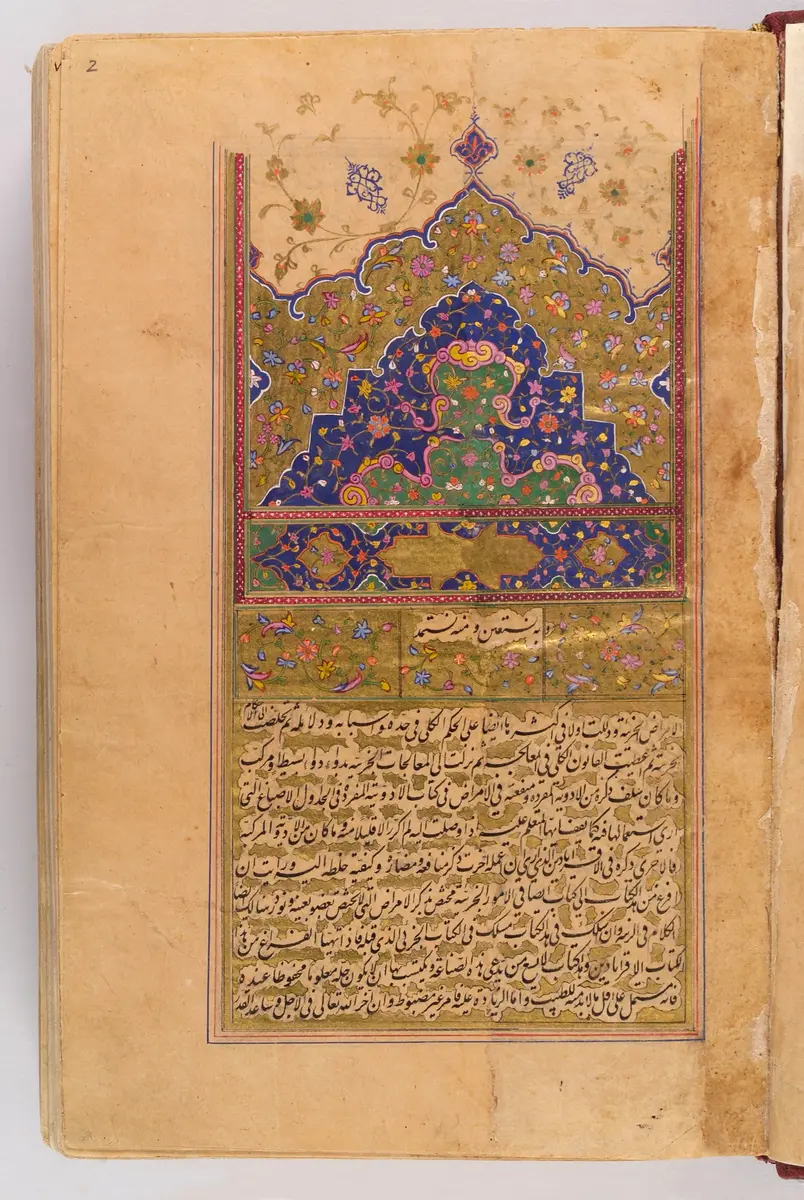
Abu Ali al-Husayn ibn Abd Allah ibn Sina, known in Europe as Avicenna, was the most influential philosopher and physician of the medieval Islamic world. He wrote mostly in Arabic, and a few works in Persian, on almost every science of his day. His two great books are The Canon of Medicine, a five-part encyclopaedia that set out the medicine of Galen and the Greeks, with the experience of physicians writing in Arabic, as one ordered system, and The Cure (al-Shifa), a vast encyclopaedia of philosophy and science in the tradition of Aristotle, from logic and physics to mathematics and metaphysics. In the Islamic world he is still called 'the Preeminent Master'; in Europe, where the Canon was taught in the universities until the seventeenth century, he was 'the prince of physicians'. The historian Dimitri Gutas ranks his influence on the thought of the whole world west of India second only to Aristotle's.
He was born at Afshana, a village outside Bukhara, capital of the Persian Samanid dynasty in what is now Uzbekistan. The traditional year is 980, but Gutas argues that he was born some years earlier, in the 970s. His father, a Samanid official from Balkh, moved the family into Bukhara, a city full of scholars. By his own account the boy knew the Qur'an by heart at ten, soon outgrew his tutor in logic, taught himself the sciences and was treating patients at sixteen; it was a book by al-Farabi that taught him Aristotle's Metaphysics. Called to the bedside of the sick Samanid emir Nuh II, the young doctor was rewarded with the run of the palace library, whose like, he said, he never saw again. By eighteen, he claimed, he had mastered all the sciences.
In 999 the Turkish Qarakhanids took Bukhara and ended the Samanid state, and Ibn Sina, an official of the fallen dynasty, left. For the rest of his life he served one local ruler after another as physician, counsellor and sometimes minister: in Gurganj in Khwarazm, in Jurjan near the Caspian, where he met al-Juzjani, his lifelong pupil and later his biographer, in Rayy, and from 1015 in Hamadan, where the Buyid prince Shams al-Dawla made him his vizier. After the prince died he went into hiding and wrote much of The Cure with no books to hand, spent four months imprisoned in a castle, and finally slipped away to Isfahan dressed as a Sufi. There, at the court of the ruler Ala al-Dawla, he spent his last thirteen years in comparative peace, finished The Cure and wrote shorter summaries of his philosophy, one of them in Persian. He fell ill with colic while travelling with his patron, died at Hamadan in 1037 and is buried there.
His medicine was systematic: the Canon moves from general principles (the elements and humours, anatomy, the causes and signs of disease, hygiene) to simple drugs, to diseases of each part of the body from head to foot, to fevers and other illnesses of the whole body, and ends with compound remedies. In philosophy he rebuilt Aristotle's system into one rigorous whole that also explained prophecy and religion, and his thought dominated philosophy and theology in the Islamic world for centuries, even among those who attacked it. His best-known thought experiment imagines a man created floating in the air, cut off from every sensation, who would still know that he exists; to Ibn Sina this showed that the soul is a substance independent of the body. He corresponded with al-Biruni, the other great scientist of his time. Medieval lists credit him with some 240 works or more, though a modern tally finds fewer than a hundred authentic.
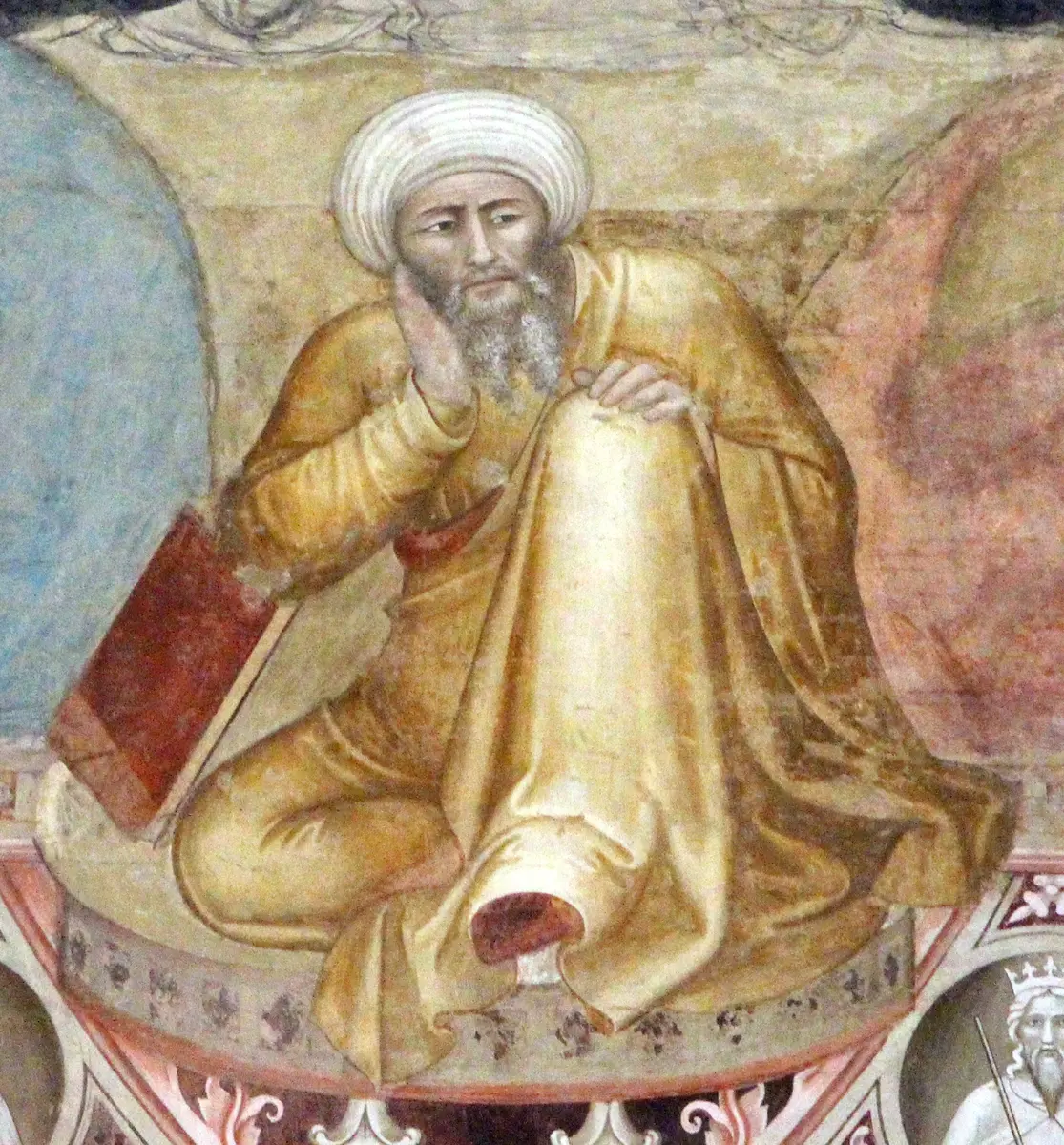
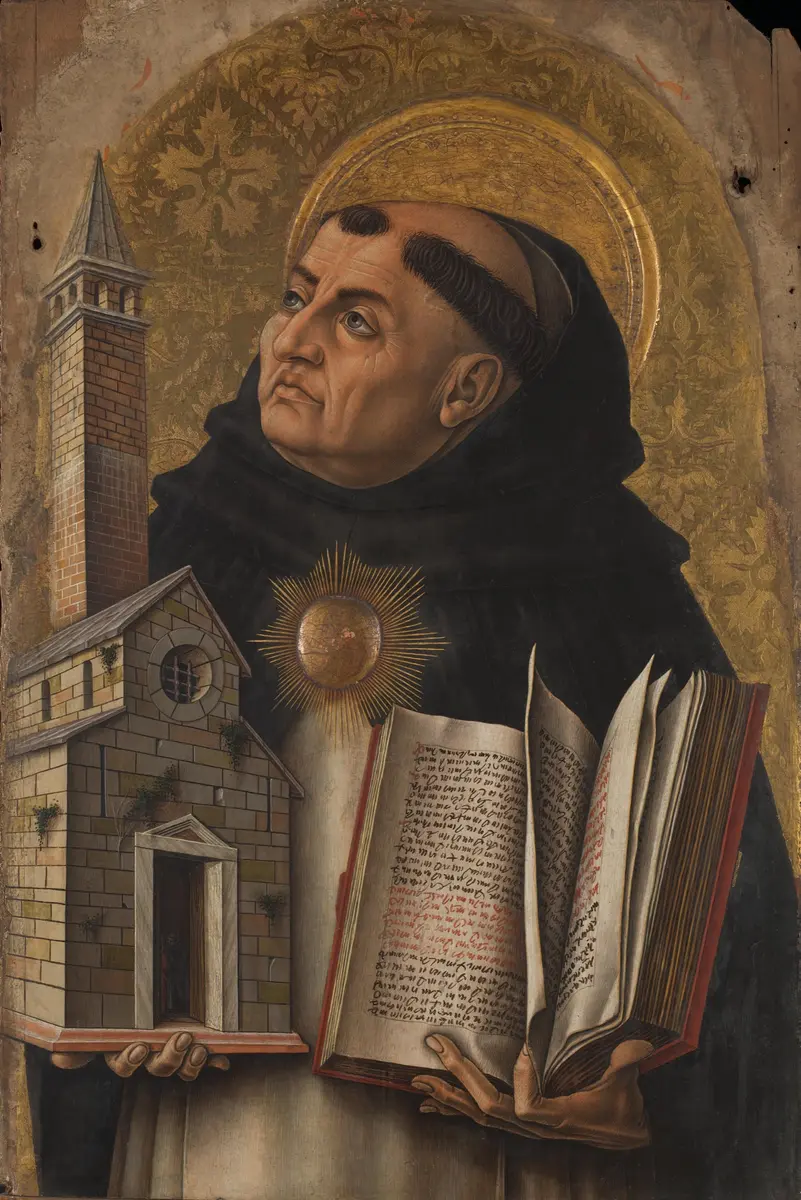
In the twelfth century Gerard of Cremona translated the Canon into Latin at Toledo. By 1340 it was firmly in the medical course at Montpellier, Paris and the German universities taught it too, and professors at Bologna and Padua lectured and wrote commentaries on it; it was one of the medical books most often printed in the fifteenth and sixteenth centuries, and in 1593 the Medici press in Rome printed the Arabic text. Humanist doctors attacked it, and Paracelsus burned a copy at Basel in 1527, but it was still taught at Louvain and Montpellier in the 1600s. In Latin his philosophy shaped Albertus Magnus and Thomas Aquinas. No portrait of him made from life exists: every face he has been given, from Renaissance woodcuts to modern statues, is imagined.
What happened
- 980
Ibn Sina is born at Afshana, a village outside Bukhara, capital of the Samanid emirs. The year is the traditional one; the historian Dimitri Gutas thinks he was born some years earlier. His father, from Balkh, governs a nearby district for the Samanids and a few years later moves the family into Bukhara.
Bukhara, capital of the Samanid emirs: born at nearby Afshana about 980, he grew up and studied here, served the emir Nuh II and read in his palace library, until he left in 999 - 990
By his own account he knows the whole Qur'an by heart at ten. His tutor al-Natili teaches him the beginnings of logic, but the boy soon outruns him and studies the sciences on his own.
Bukhara, capital of the Samanid emirs: born at nearby Afshana about 980, he grew up and studied here, served the emir Nuh II and read in his palace library, until he left in 999 - 997
Already treating patients since sixteen, he is summoned to the sick Samanid emir Nuh II and enters his service as a physician; his reward is the run of the palace library, whose books, he says, he never saw the like of again. His first book, a compendium on the soul, is dedicated to the Samanid ruler in thanks.
Bukhara, capital of the Samanid emirs: born at nearby Afshana about 980, he grew up and studied here, served the emir Nuh II and read in his palace library, until he left in 999 - 999
The Turkish Qarakhanids take Bukhara and end the Samanid state. 'Necessity', he writes, makes him leave; he goes north to Gurganj in Khwarazm and serves its Ma'munid ruler Ali ibn Ma'mun.
Gurganj, the old Urgench (Kunya-Urgench), capital of Khwarazm: he served its Ma'munid rulers from about 999 to 1012 - 1012
He leaves Gurganj and travels south and west through Nasa, Abivard and Tus towards Jurjan, hoping to serve its learned ruler Qabus ibn Voshmgir.
- 1013
He reaches Jurjan to find Qabus dead. There he meets Abu Ubayd al-Juzjani, who becomes his pupil, companion and secretary for life, and, according to the US National Library of Medicine, he begins the Canon of Medicine.
Gonbad-e Qabus, by the ruins of Jurjan: he arrived here in 1013 to serve the ruler Qabus, found him dead, met his pupil al-Juzjani and, by one account, began the Canon - 1014
In Rayy he enters the service of the Buyid prince Majd al-Dawla and his mother Sayyida, the power behind the throne, and treats the prince for a 'black bile' illness, melancholy.
- 1015
When Shams al-Dawla, Majd al-Dawla's brother, attacks Rayy in the spring, Ibn Sina moves by way of Qazvin to Hamadan. Called to treat Shams al-Dawla, he becomes his physician and then his vizier.
Hamadan, his mausoleum: the city where he was physician and vizier to Shams al-Dawla from 1015, where he died in 1037 and where he is buried - 1021
Shams al-Dawla dies. Ibn Sina will not stay on as vizier under the new prince, Sama al-Dawla, and goes into hiding, where, al-Juzjani reports, he writes much of his great encyclopaedia The Cure without a single book to consult.
Hamadan, his mausoleum: the city where he was physician and vizier to Shams al-Dawla from 1015, where he died in 1037 and where he is buried - 1023
Suspected of treachery for writing in secret to Ala al-Dawla, the ruler of Isfahan, he is imprisoned for four months in the castle of Fardajan outside Hamadan, until Ala al-Dawla marches on the city.
- 1024
Dressed as Sufis, he slips out of Hamadan with his brother, al-Juzjani and two slaves and reaches Isfahan, where Ala al-Dawla receives him with honour. In his last thirteen years there he finishes The Cure, writes its shorter versions, one of them in Persian for his patron, and holds a gathering of scholars every Friday.
Isfahan, the Friday Mosque: the city of his last thirteen years (about 1024 to 1037) at the court of Ala al-Dawla, where he finished The Cure - 1029
He writes Fair Judgment, a commentary of about twenty volumes on the hard passages of all Aristotle's works, weighing the old interpreters against his own views. It is later lost in a military rout; only fragments survive.
Isfahan, the Friday Mosque: the city of his last thirteen years (about 1024 to 1037) at the court of Ala al-Dawla, where he finished The Cure - 1037
Travelling with Ala al-Dawla to Hamadan, he falls ill with colic, rallies and relapses, and dies in the month of Ramadan in Hamadan, where he is buried.
Hamadan, his mausoleum: the city where he was physician and vizier to Shams al-Dawla from 1015, where he died in 1037 and where he is buried