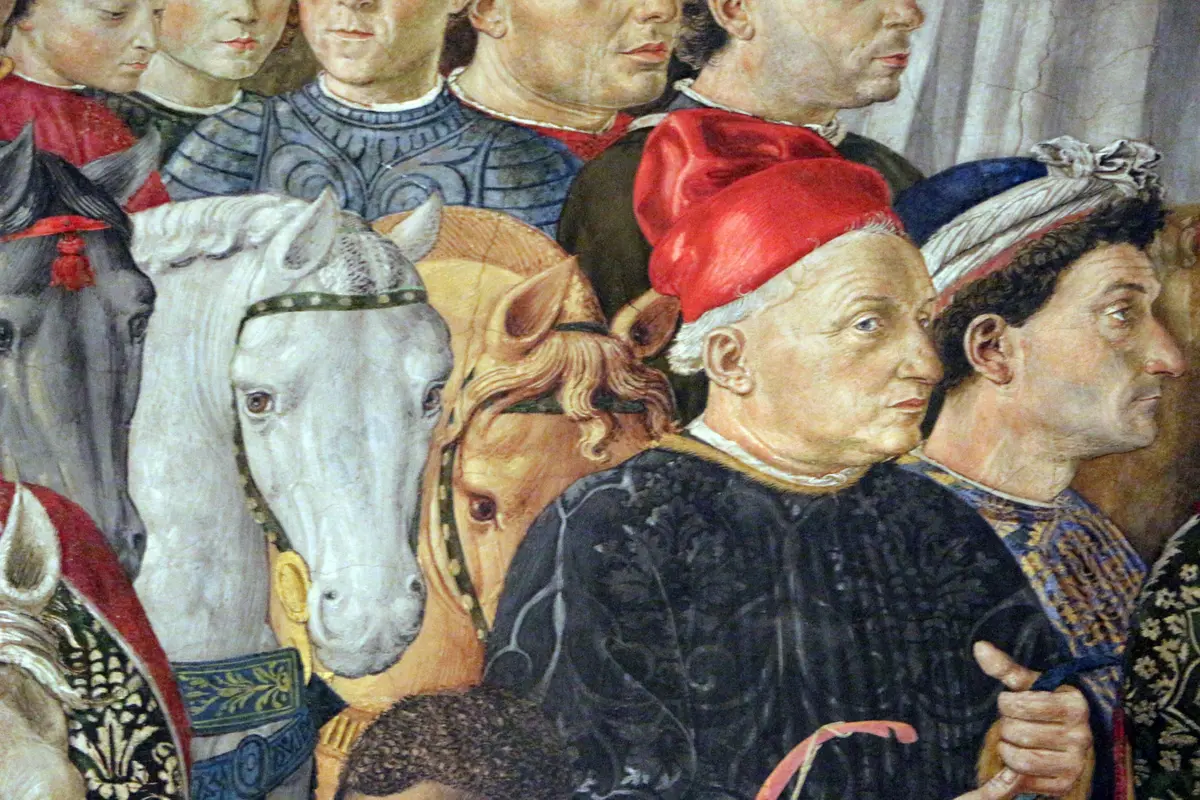
Cosimo de' Medici
“The banker who made the Medici Bank the largest of its day and ruled Florence from 1434 to 1464 without a title, paying for Brunelleschi, Michelozzo, Donatello and the revival of Plato.”
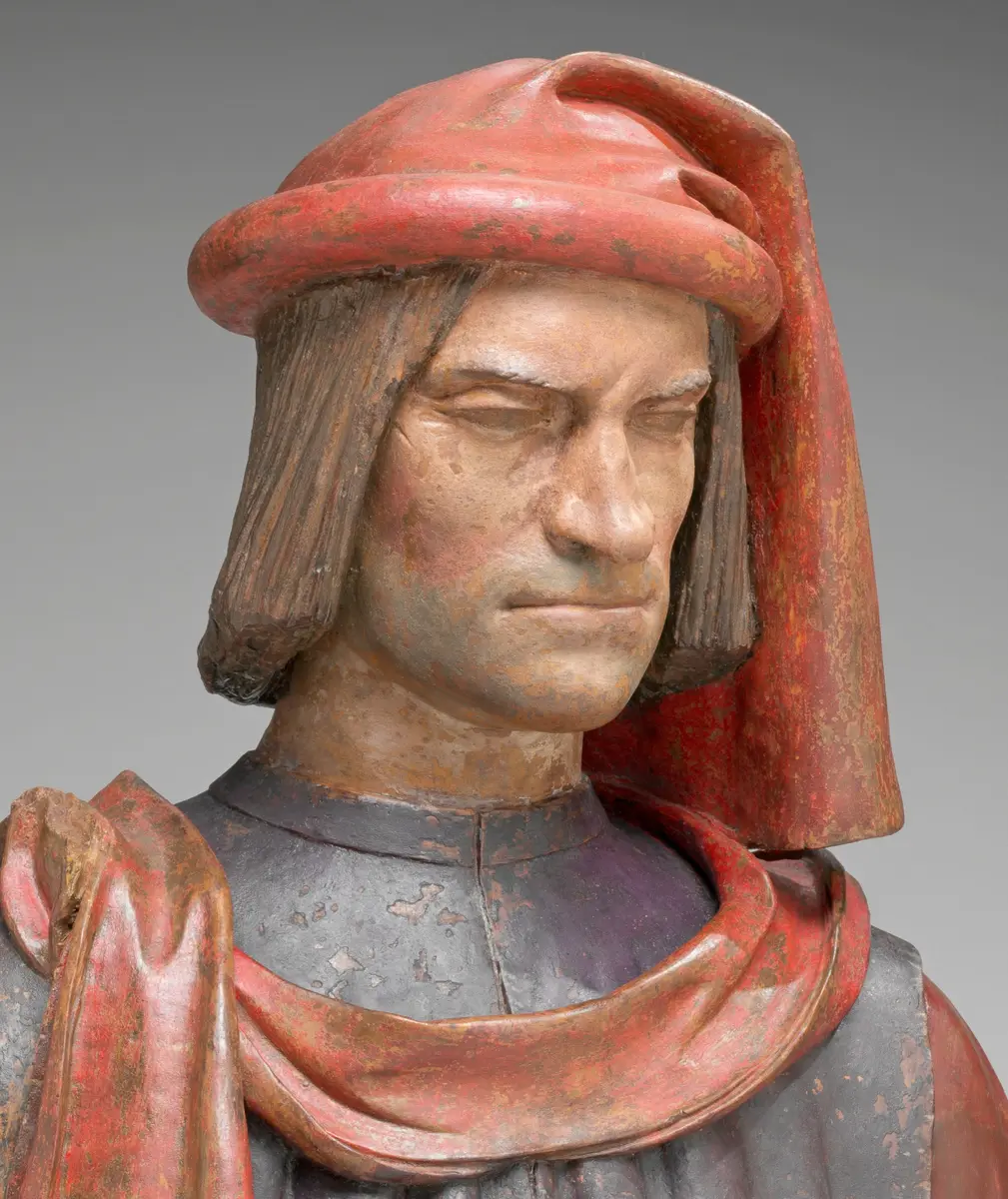
Cosimo de' Medici, later called Cosimo the Elder, was the Florentine banker who made his family's bank the largest banking house of its time and who, from 1434 until his death thirty years later, was the real ruler of the Republic of Florence. He held almost no office: in those thirty years he was head of the government, the Gonfalonier of Justice, for only six months. Instead he ruled from behind the scenes, through friends placed in the councils and through control of whose names could be drawn for office, while the outward forms of the republic stayed in place. He spent much of his fortune on churches, convents, libraries and works of art, employing Brunelleschi, Michelozzo, Donatello and Fra Angelico, and he paid for the hunt for ancient manuscripts and for Marsilio Ficino's study of Plato. After his death the city gave him the title Pater Patriae, father of his country.
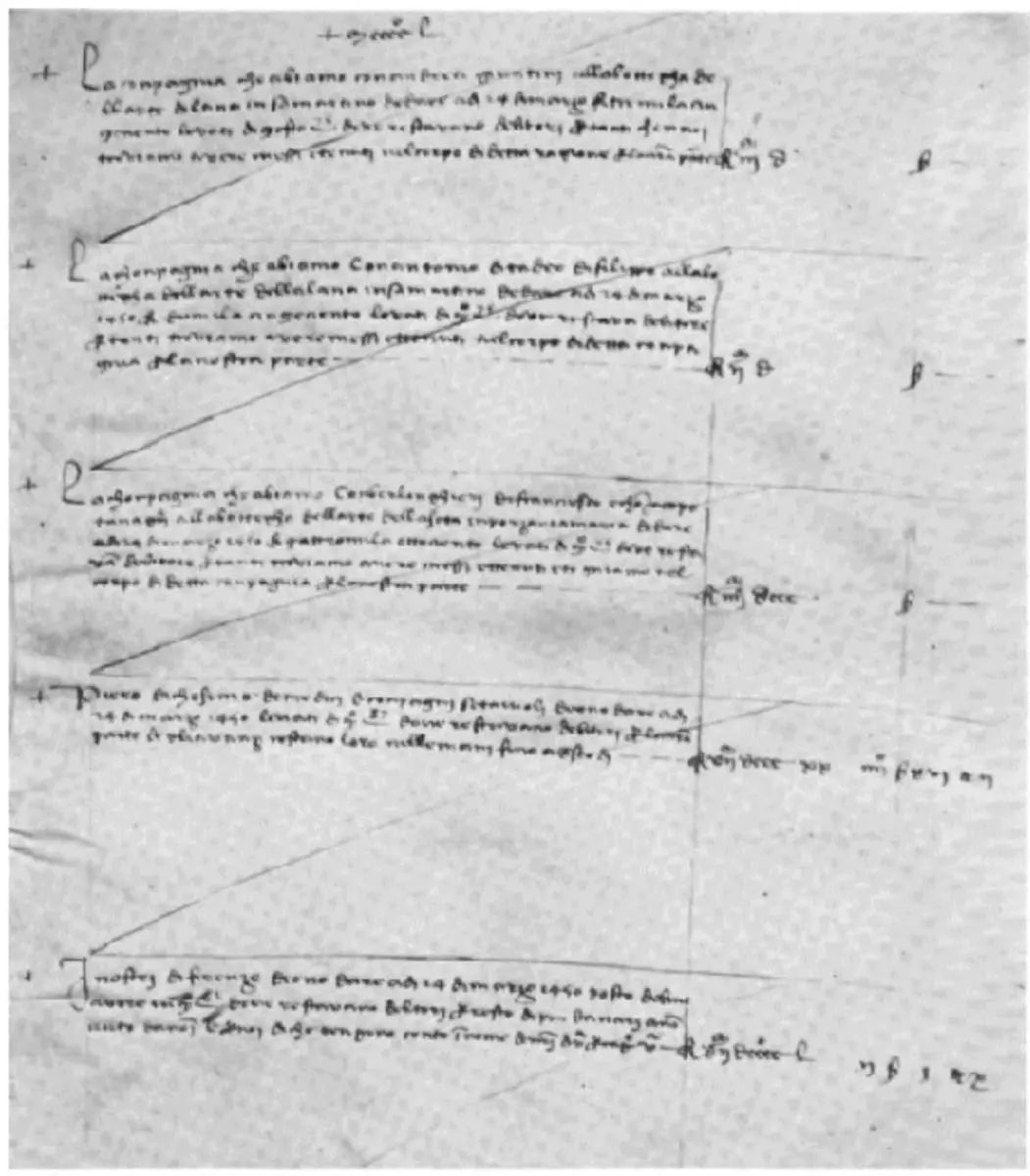
He was born in Florence in 1389, the elder son of Giovanni di Bicci de' Medici, the founder of the Medici Bank, and Piccarda Bueri. His father was banker to Pope John XXIII, and the young Cosimo went with that pope to the Council of Constance as his financial agent; when the pope fled the council, Cosimo left in disguise and came home in 1416 after travelling in France and Germany. He married Contessina de' Bardi and had two sons, Piero and Giovanni, and a third, Carlo, by a slave woman, raised in the house with the others. In 1420 his father withdrew from business and the bank's new partnership contracts were made out in the names of Cosimo and his brother Lorenzo, while Ilarione de' Bardi stayed general manager. Most of the profit came from Rome, where the manager of the Medici branch usually kept the pope's treasury as its depositary. When Giovanni died in February 1429, Cosimo, aged thirty-nine, became head of the family and of the bank.
Florence was then governed by a narrow group of families led by Rinaldo degli Albizzi, and a costly, failed war against Lucca made the Medici, rich, generous and popular, look like a threat. On 7 September 1433 Cosimo was called to the government palace and locked in a room in its tower. Some wanted him dead; he bribed the head of the government with a thousand florins and was banished instead, first for five and then for ten years, to Padua. Venice received him like an ambassador and let him live in the city itself, where he paid his architect friend Michelozzo to build a library for the monastery of San Giorgio Maggiore. Within a year his opponents had lost control of the draw for office; an armed rising by Rinaldo failed, a public assembly recalled the exiles on 29 September 1434, and on 5 October Cosimo was back on Florentine soil, exactly a year after he had left it. His enemies were banished for good. From then on he managed elections, used special emergency councils when he needed them, and in 1458 strengthened his hold through a new Council of a Hundred. Abroad he first backed Venice, then, from 1450, Francesco Sforza, the soldier whose campaigns his bank had financed and who became Duke of Milan; the Peace of Lodi of 1454, and the league of Italian states that followed it, gave the peninsula a balance of power.
Under Cosimo and his general manager Giovanni Benci (1435 to 1455) the bank reached its height. Besides the counter in Florence and the branches in Rome and Venice, it opened houses in Bruges (1439), London and Avignon (1446) and Milan (about 1452), and its records show careful, firm control from the top. Profits jumped in 1439, when Cosimo persuaded Pope Eugenius IV to move his church council from Ferrara to Florence, where the Byzantine emperor John VIII and the Greek bishops signed a short-lived union of the Catholic and Orthodox churches. The Greek scholars who came with them gave Cosimo a passion for Plato. His money rebuilt the parish church of San Lorenzo to Brunelleschi's design and the convent of San Marco to Michelozzo's, with a library open to all scholars and frescoes by Fra Angelico; he built the family palace on the Via Larga and villas at Careggi and in the Mugello. Donatello, whose bronze David later stood in the palace courtyard, was his closest friend among the artists. A manager once warned him that seven thousand florins had gone on two buildings in a single year; Cosimo answered that the builders of San Lorenzo deserved blame for not doing more.
His last years were clouded by gout and by the death in 1463 of his younger son Giovanni, whom he had trained for the bank; carried through his palace, he called it too big a house for so small a family. At the villa of Careggi, where he had given Ficino a house, he had Ficino's first translations of Plato read to him. He died there on 1 August 1464, without a will, asking for no pomp, and was buried under a plain slab in front of the high altar of San Lorenzo; the next year the government decreed him Pater Patriae, and the words were cut into his tomb and onto medals. The bank declined under his heirs and collapsed in 1494, but the system of rule he built carried his son Piero and his grandson Lorenzo the Magnificent, and his buildings, libraries and patronage did much to make Florence the city of the Renaissance. Historians still argue whether he destroyed Florentine liberty or only kept, more cleverly, the rule of a few that already existed.
What happened
- 1389
Cosimo is born in Florence, the elder son of Giovanni di Bicci de' Medici, who will found the family bank in 1397, and his wife Piccarda Bueri.
- 1416
He comes home from the Council of Constance, where he had served Pope John XXIII, his father's client, as financial agent; after the pope's flight from the council he had left in disguise and travelled through France and Germany.
- 1420
The bank is reorganised: Giovanni di Bicci withdraws, and the new partnership contracts are made out in the names of Cosimo and his brother Lorenzo, with Ilarione de' Bardi as general manager. Rome, where the Medici keep the pope's money, brings in most of the profit.
- 1429
His father dies without a will, leaving an estate of nearly 180,000 florins. Cosimo, thirty-nine, becomes head of the Medici house and of the bank, and takes over the rebuilding of San Lorenzo, the family's parish church, which Giovanni had begun with Brunelleschi.
San Lorenzo, Florence: the Medici parish church, rebuilt to Brunelleschi's design with Cosimo's money; he is buried under a slab in front of the high altar- 1433
With a showdown with the Albizzi in the air, the bank moves 3,000 Venetian ducats in coin to the hermits of San Miniato and 5,877 to the friary of San Marco, and transfers 15,000 florins to its Venice branch, out of reach of a hostile government.
Called back from the Mugello, Cosimo goes to the government palace for a meeting and is locked in a room in its tower. Two days later an assembly in the square, ringed by armed men, gives full powers to a committee of his enemies; some of them want him executed.
After four weeks in the tower, and a bribe of a thousand florins to the head of the government, he is let out and escorted to the frontier, banished for ten years to Padua. Venice receives him like an ambassador and lets him live in the city, where Michelozzo builds a library for the monastery of San Giorgio Maggiore at his expense.
San Giorgio Maggiore, Venice: the island monastery where Michelozzo built a library at Cosimo's expense during his exile in Venice, 1433-1434- 1434
A new government drawn by lot is on his side. Rinaldo degli Albizzi's armed gathering of 26 September breaks up after Pope Eugenius IV, then living in Florence, mediates, and an assembly in the square votes to recall the Medici; the Albizzi and their allies are banished in their turn.
Cosimo re-enters Florentine territory, as he noted, a year to the day after he left it, and comes into the city late in the evening by a back way to avoid the crowds. From now on he rules Florence without holding a title.
- 1435
New contracts take effect: Giovanni Benci and Antonio Salutati become partners and general managers, the capital rises from 24,000 to 32,000 florins, and the bank breaks with the Bardi family that had run it for nearly forty years.
- 1437
Cosimo and Lorenzo obtain the convent of San Marco from the pope for the Dominican friars of Fiesole, and Michelozzo begins to rebuild it at their expense; Cosimo will spend about 36,000 ducats on it and fill its library with the books of the humanist Niccolò Niccoli.
San Marco, Florence: the convent Cosimo had rebuilt by Michelozzo for the Dominicans from 1437, with its public library and Fra Angelico's frescoes - 1439
The church council of Pope Eugenius IV moves from Ferrara to Florence, at Cosimo's urging and with plague in Ferrara; with it come the Byzantine emperor John VIII and some 700 Greeks. The bank's Rome branch, travelling with the papal court, has its best year ever.
The Medici found their own branch in Bruges, the first of the new houses beyond the Alps under Cosimo, after years of working there through agents.
The decree of union between the Catholic and Orthodox churches, Laetentur Caeli, is signed in Florence and celebrated with a Te Deum in the cathedral. The union soon fails in Constantinople, but the Greek scholars' visit leaves Cosimo an admirer of Plato.
- 1443
Pope Eugenius IV consecrates the rebuilt church of San Marco on the feast of the Epiphany, in front of cardinals and bishops; in the convent Fra Angelico and his workshop are painting the cells, among them the cell kept for Cosimo.
San Marco, Florence: the convent Cosimo had rebuilt by Michelozzo for the Dominicans from 1437, with its public library and Fra Angelico's frescoes- 1444
Cosimo commissions Michelozzo to build the family palace on the Via Larga, having turned down Brunelleschi's design as too grand, likely to stir up envy.
Palazzo Medici, Florence: the palace on the Via Larga (now Via Cavour) that Michelozzo built for Cosimo from 1444; the family lived on this street before it, and from here he ran the city and the bank in his last years - 1450
Francesco Sforza, the soldier Cosimo's bank has long financed, becomes Duke of Milan. Cosimo leaves the old alliance with Venice for one with Milan, Florence's old enemy, to keep any one power from dominating northern Italy.
- 1451
Giovanni Benci's balance sheet shows the bank at its widest: the counter in Florence, branches in Pisa, Rome and Venice, four more beyond the Alps in Avignon, Bruges, Geneva and London (the last two opened in 1446), two wool shops and a silk shop, all controlled from Florence like a holding company. Milan follows in 1452 or 1453.
- 1454
The Peace of Lodi between Venice and Sforza's Milan is published; Florence joins it, and in the autumn it becomes a league of the Italian states for twenty-five years.
- 1455
Giovanni Benci, his best general manager, dies; the grateful Sforza gives the Medici a house in Milan, which Cosimo has rebuilt for their branch. From now on the bank stops growing.
- 1457
In his tax return Cosimo declares a household of fourteen family members and about fifty mouths to feed every day, and a taxable wealth of 115,170 florins, apart from the two palaces on the Via Larga and the villas of Careggi, Cafaggiolo and Trebbio.
- 1458
After his party's grip slips, an assembly in the square, held under the eyes of hired troops, hands power to a committee of his friends; out of it comes a new Council of a Hundred to keep the elections in safe hands.
- 1459
Benozzo Gozzoli begins to fresco the chapel of the new palace with the journey of the Magi, in which Cosimo rides among his family and figures of the day, among them the young Galeazzo Maria Sforza of Milan, whom the palace received, and Pope Pius II.
Palazzo Medici, Florence: the palace on the Via Larga (now Via Cavour) that Michelozzo built for Cosimo from 1444; the family lived on this street before it, and from here he ran the city and the bank in his last years - 1462
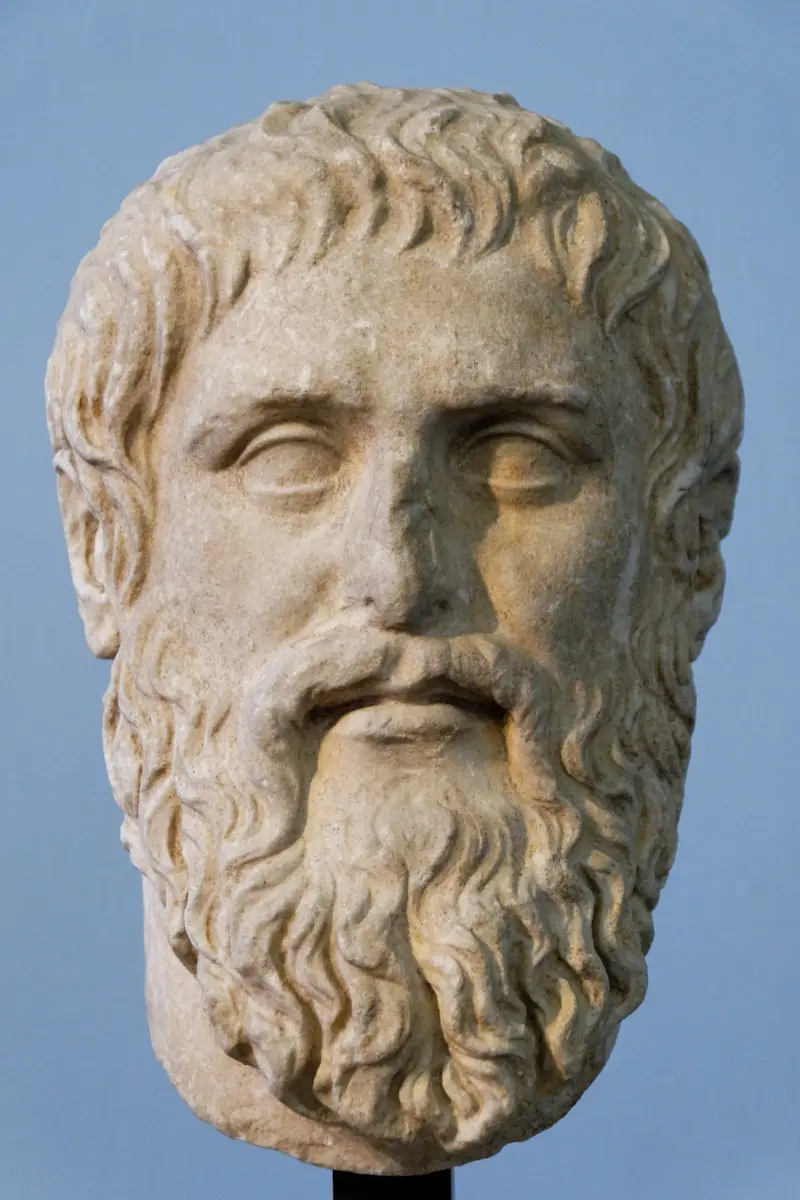
Marsilio Ficino thanks Cosimo for 'the Academy you arranged for us' on the estate at Careggi; Cosimo, who had him trained to translate Plato, gives him a house in Florence and, the next year, a small farm at Careggi.
Villa Medici at Careggi, north of Florence: the country house Michelozzo rebuilt for Cosimo, where he met Ficino's circle and where he died on 1 August 1464- 1463
His younger son Giovanni, whom he had prepared to run the bank, dies. The old man, crippled by gout, is carried through the palace saying it is too big a house for so small a family.
- 1464
Having heard Ficino read his first translations of Plato, Cosimo dies at Careggi, aged seventy-four, without a will and asking for no pomp. A great crowd follows his body to San Lorenzo, where he is buried under a plain slab before the high altar.
Villa Medici at Careggi, north of Florence: the country house Michelozzo rebuilt for Cosimo, where he met Ficino's circle and where he died on 1 August 1464