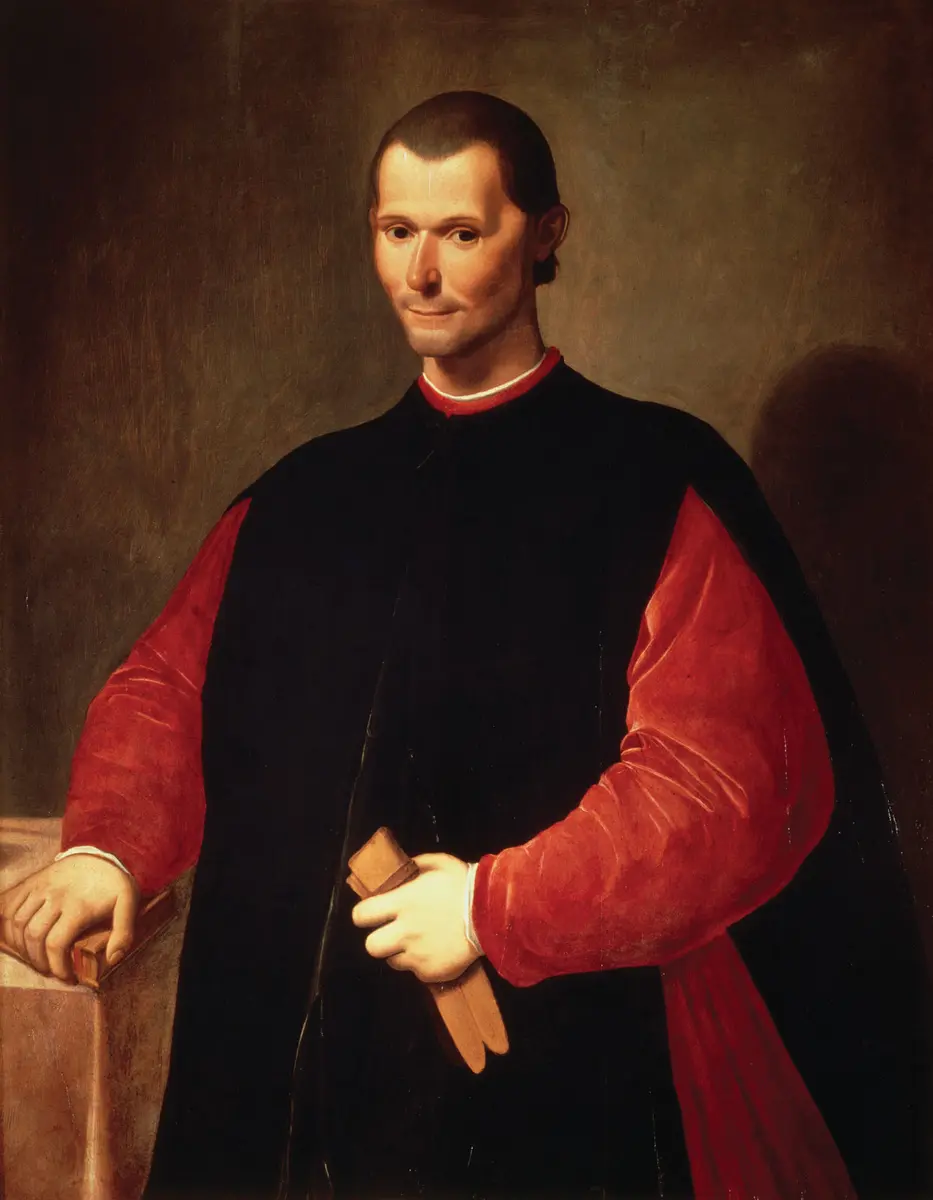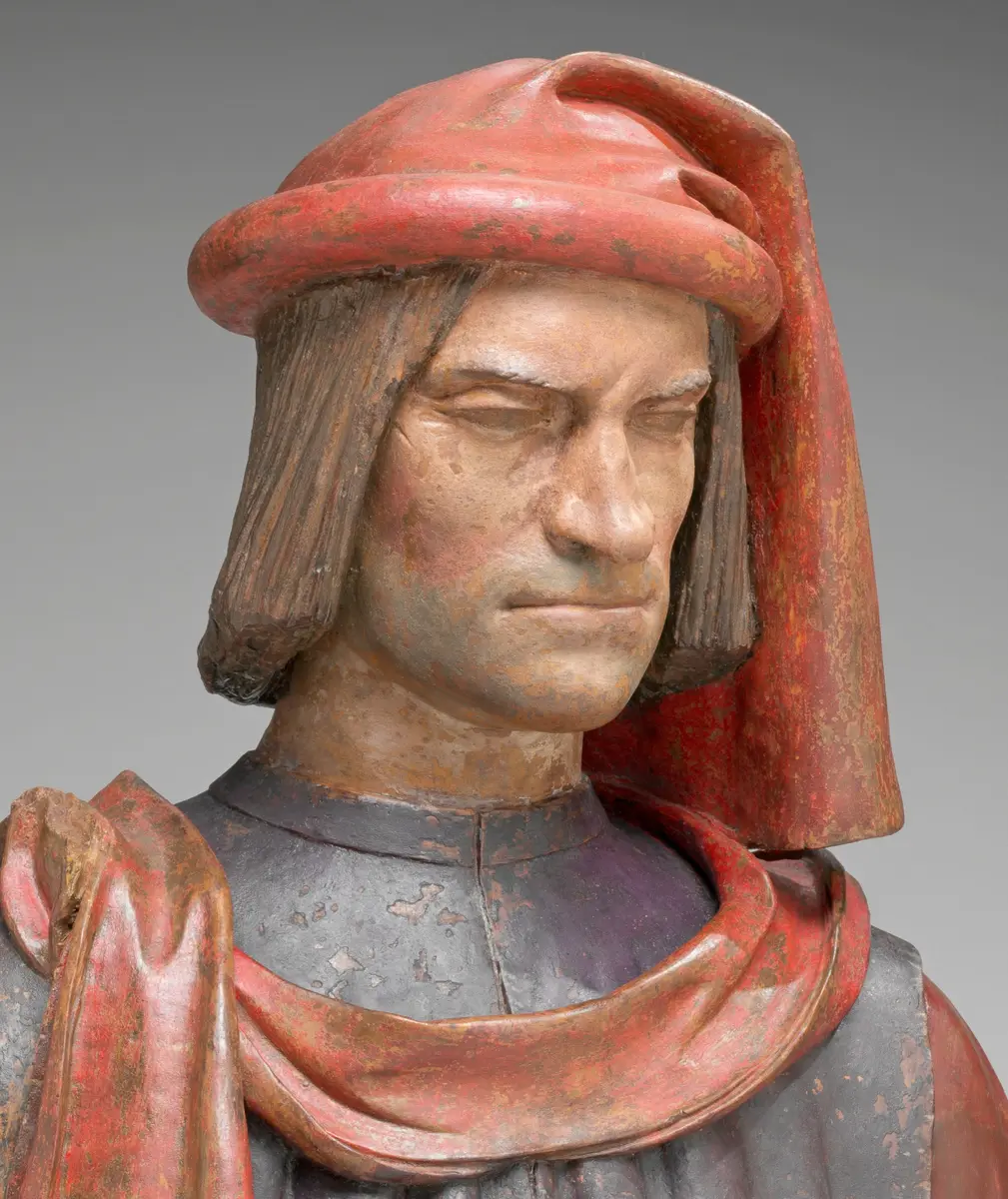
Lorenzo de' Medici
“The banker's grandson who ruled Florence without a title from 1469 to 1492, survived the Pazzi plot that killed his brother, and made his city the showcase of the Renaissance while the family bank declined.”
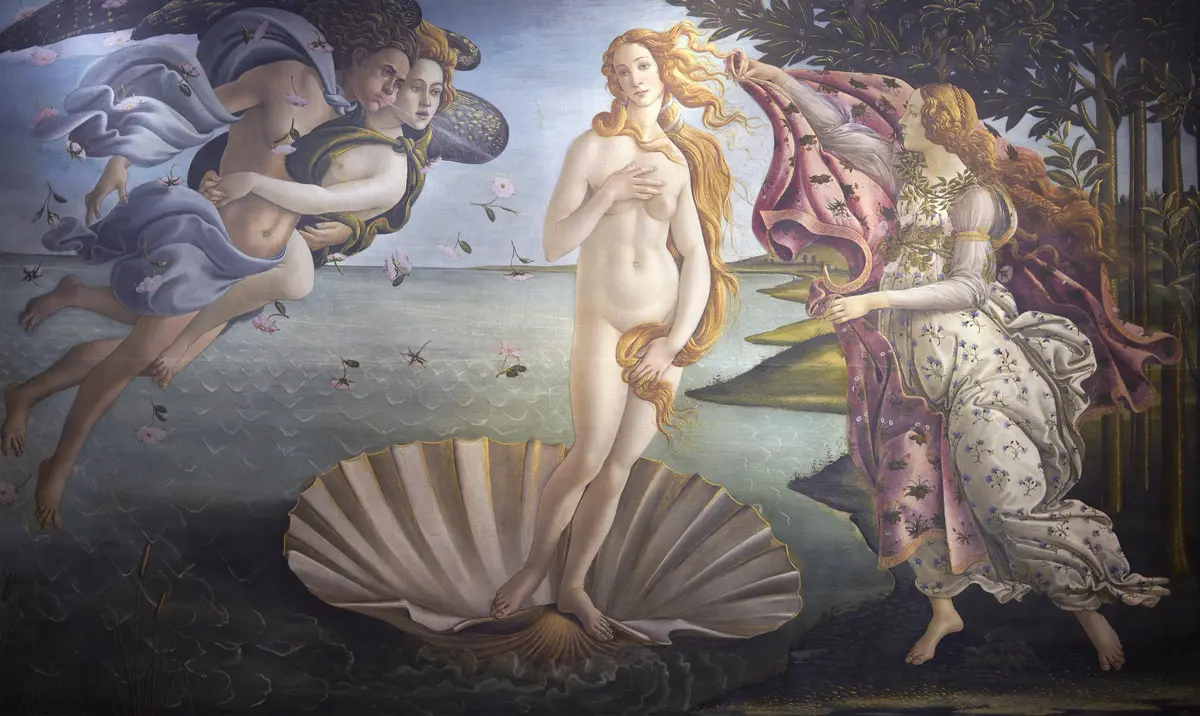
Lorenzo de' Medici, called the Magnificent, was the grandson of the banker Cosimo de' Medici and the uncrowned ruler of Florence from 1469 until his death in 1492. He held no title above that of a citizen: like his father and grandfather, he governed the republic through friends placed in its councils, while he headed the family bank. He is remembered for three things. He survived the Pazzi conspiracy of 1478, the attack in the cathedral that killed his brother Giuliano. He kept a fragile balance of power among the five main states of Italy. And he wrote poetry and gathered round him the scholars and artists, from Botticelli and Verrocchio to the young Michelangelo, whose work has made his Florence the symbol of the Renaissance.
He was born in Florence on 1 January 1449, the elder son of Piero de' Medici and Lucrezia Tornabuoni, who remained his closest adviser until her death. He grew up in the family's new palace on the Via Larga, among humanist teachers and the managers of a bank with branches from London and Bruges to Rome. As a teenager he already represented the family at other Italian courts. In 1469 he gave a tournament that cost, by his own count, about 10,000 ducats, and married Clarice Orsini, the daughter of a Roman baronial family: a sign that the Medici now saw themselves as the equals of princes. When Piero died that December, the leading men of the regime asked the twenty-year-old to take charge of the state. He accepted, he wrote, against his will, because in Florence the rich could not live safely without controlling the government.
His enemies nearly ended his rule in 1478. Pope Sixtus IV, angry that the Medici bank had tried to stop his purchase of the town of Imola for his nephew Girolamo Riario, had given the profitable papal alum contract to the rival Pazzi bank. On Sunday 26 April, during Mass in the cathedral, the Pazzi and their accomplices stabbed Giuliano to death; Lorenzo escaped into the sacristy with a cut on his neck. Florence rose for the Medici and the conspirators were hunted down, but the Pope excommunicated Lorenzo, seized the bank's property in Rome and went to war against Florence together with King Ferrante of Naples. In December 1479, with the war going badly, Lorenzo sailed to Naples and put himself in the king's hands. He came home three months later with a peace, and used his new prestige to create the Council of Seventy, which gave his circle a lasting hold on the government.
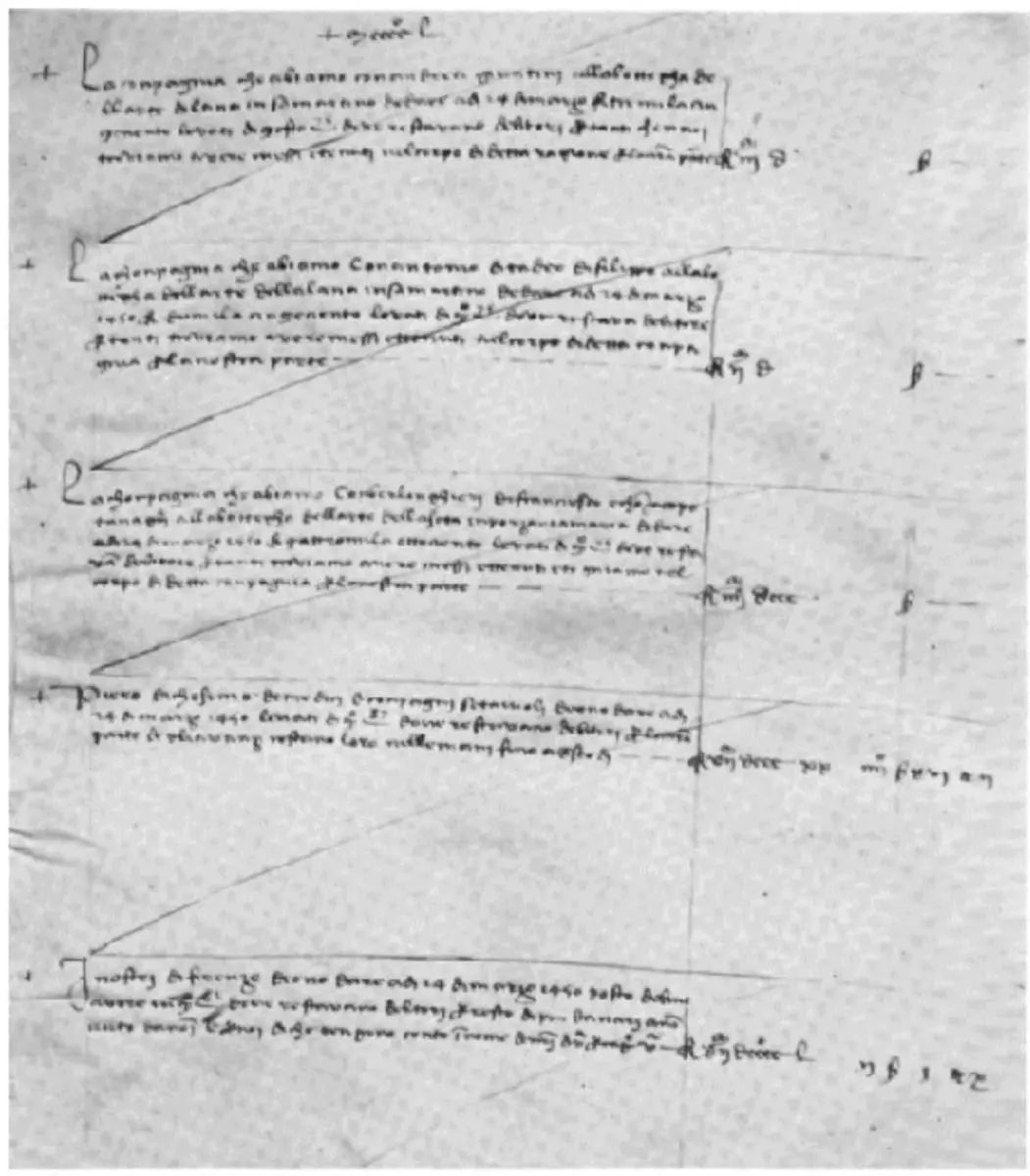
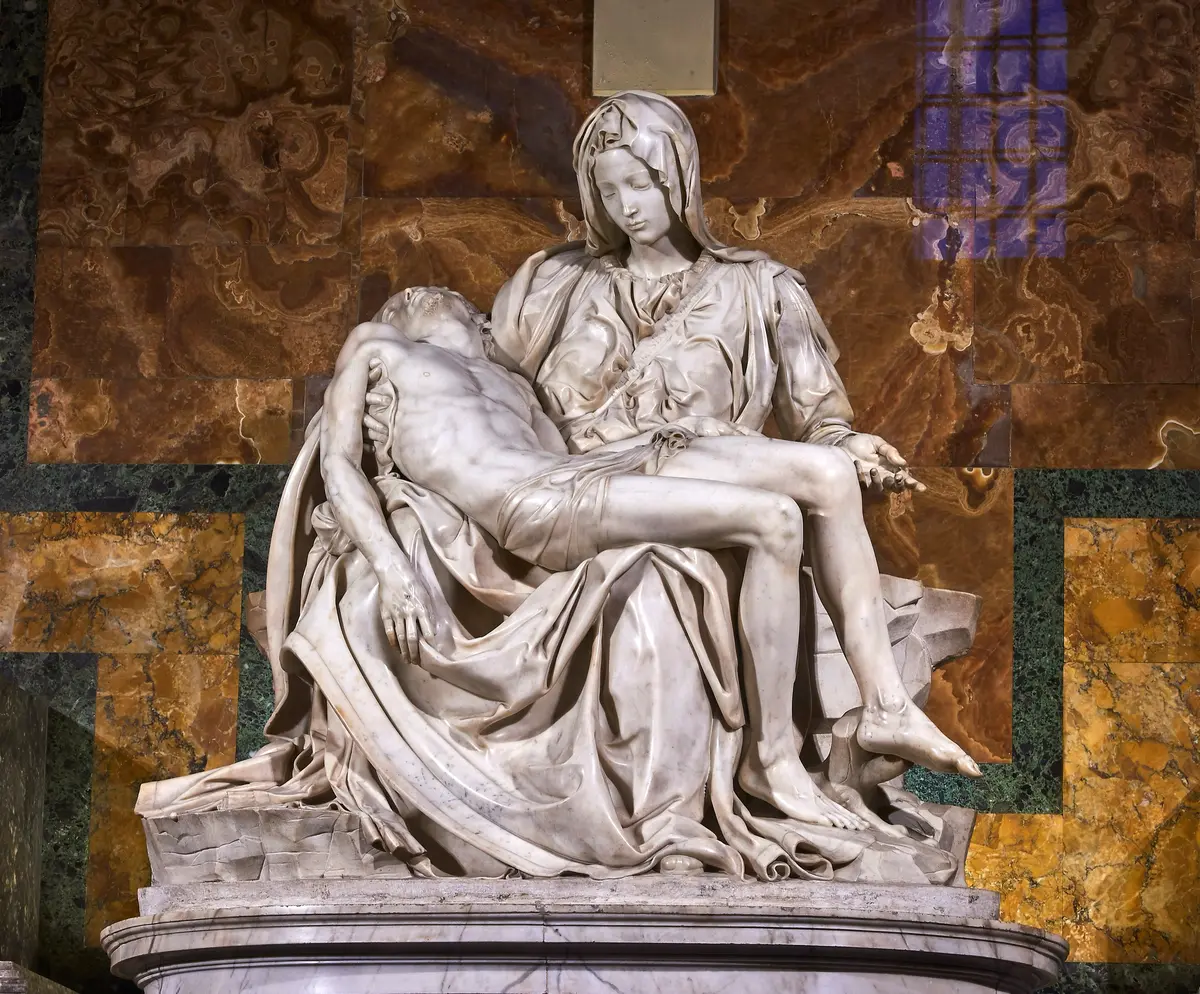
In the 1480s he was the most respected statesman in Italy. Allied with Milan and Naples, and tied to the new pope, Innocent VIII, by his daughter's marriage, he worked to stop any one state from dominating the peninsula, and won a cardinal's hat for his son Giovanni at thirteen: the future Pope Leo X. He collected ancient gems and manuscripts, wrote sonnets, carnival songs and a religious play in Tuscan, read Plato with Marsilio Ficino, the poet Angelo Poliziano and Giovanni Pico della Mirandola, and kept a garden of ancient sculpture near San Marco, where the teenage Michelangelo learned to carve before moving into the palace as one of the family. Behind the splendour the bank was failing. Lorenzo, a gifted politician with no talent for business, left it to his manager Francesco Sassetti; the branches in Bruges, London and Milan were wound up at heavy loss, and a document in the Strozzi papers shows that he took about 75,000 florins from the city's public debt fund without any legal authority.
Worn out by illness, he died at the family villa of Careggi on 8 April 1492, aged forty-three; the Dominican friar Girolamo Savonarola, prior of San Marco, whose sermons attacked the luxury of the age, came to his deathbed. Within three years his son Piero had been driven out, the French had invaded Italy and the Medici bank had collapsed. Machiavelli, writing a generation later, saw his death as the end of Italy's peace; critics then and since have seen a tyrant who helped himself to public money. The image that lasted, of Lorenzo the Magnificent as the great patron of the Renaissance, was polished by his descendants, two Medici popes and the Medici dukes, and is still the one Florence shows its visitors.
What happened
- 1449
Lorenzo is born in Florence, the elder son of Piero de' Medici and Lucrezia Tornabuoni and grandson of Cosimo, the banker who has led the city from behind the scenes since 1434.
Palazzo Medici, Florence: the family palace on the Via Larga (now Via Cavour), built for his grandfather Cosimo from 1444; Lorenzo, born in Florence in 1449, lived here from boyhood and governed the city from it- 1459
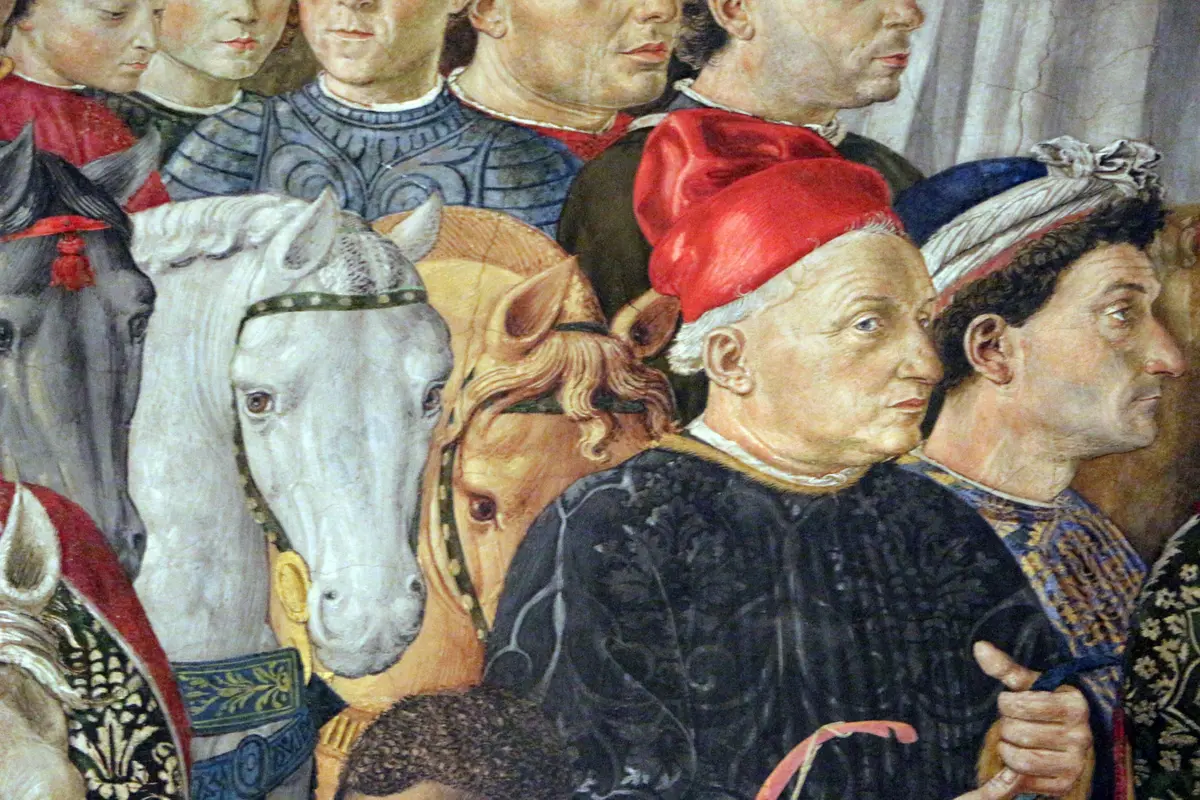
Benozzo Gozzoli begins the frescoes of the chapel in the family's new palace: the journey of the Magi, with the Medici and their guests riding in the procession and the boys Lorenzo and Giuliano among them.
Palazzo Medici, Florence: the family palace on the Via Larga (now Via Cavour), built for his grandfather Cosimo from 1444; Lorenzo, born in Florence in 1449, lived here from boyhood and governed the city from it - 1464
His grandfather Cosimo dies at the villa of Careggi. His father Piero, crippled by gout, takes over the family, the bank and the leadership of the city; the next spring Lorenzo, sixteen, is sent to Pisa to welcome Federigo, son of the King of Naples, the start of a lifelong friendship.
Villa Medici at Careggi, north of Florence: the family's country house, where his grandfather Cosimo died in 1464 and Lorenzo died on 8 April 1492- 1469
To mark his coming marriage he gives a tournament on the Piazza Santa Croce. By his own reckoning it costs about 10,000 ducats, and the judges award him the first prize, a silver-inlaid helmet.
The wedding feast for Clarice Orsini, daughter of a Roman baronial family, begins in the Via Larga. A Roman bride, rather than a Florentine one, is his father's new policy: the Medici now marry like princes.
Palazzo Medici, Florence: the family palace on the Via Larga (now Via Cavour), built for his grandfather Cosimo from 1444; Lorenzo, born in Florence in 1449, lived here from boyhood and governed the city from itPiero dies. Two days later the leading men of the regime come to the palace and ask Lorenzo, not yet twenty-one, to take charge of the state; he accepts, he wrote, against his will, because in Florence the rich cannot live safely without the government. He and Giuliano order Verrocchio's tomb for their father and uncle in San Lorenzo.
Palazzo Medici, Florence: the family palace on the Via Larga (now Via Cavour), built for his grandfather Cosimo from 1444; Lorenzo, born in Florence in 1449, lived here from boyhood and governed the city from it- 1472
Volterra, which has rebelled over the profits of a newly found alum pit, is taken by Florence's hired army and sacked by the soldiers. Lorenzo, who had backed the war, goes there afterwards to give relief, but the sack stays on his record.
- 1478
Sunday, at Mass in the cathedral: Bernardo Bandini Baroncelli and Francesco de' Pazzi stab Giuliano to death, while two priests attack Lorenzo, who escapes with a cut on the neck and shuts himself in the north sacristy behind its bronze doors. The plot, made in Rome by the Pazzi, Archbishop Salviati and the Pope's nephew Girolamo Riario, fails: the city rises for the Medici, and the archbishop is hanged from the government palace.
Florence Cathedral, Santa Maria del Fiore: the Pazzi conspirators killed his brother Giuliano and wounded Lorenzo here during Mass on 26 April 1478Pope Sixtus IV excommunicates Lorenzo and threatens Florence with an interdict, seizes the Medici property in Rome, cancels the bank's alum contract and goes to war together with King Ferrante of Naples. Shaken, the bank breaks with its Portinari partners and decides to wind up its Bruges and Milan branches.
- 1479
With the war going badly, Lorenzo leaves Florence, telling the government only once he is on the road; he sails from Vada on 11 December in two Neapolitan galleys and lands at Naples a week later, to negotiate with King Ferrante in person.
Castel Nuovo, Naples: the castle of King Ferrante, with whom Lorenzo negotiated peace in person from December 1479 to February 1480Bernardo Bandini Baroncelli, Giuliano's first attacker, who had fled to Constantinople, is handed back by the Ottoman sultan and hanged at once in his Turkish clothes; the young Leonardo da Vinci draws the hanging body.
- 1480
The peace he made in Naples, concluded at the end of February, is proclaimed in Florence on the feast of the Annunciation, and the Madonna of Impruneta is carried in procession to the cathedral. His prestige lets him reshape the government: the new Council of Seventy keeps power in his friends' hands for the rest of his life.
Florence Cathedral, Santa Maria del Fiore: the Pazzi conspirators killed his brother Giuliano and wounded Lorenzo here during Mass on 26 April 1478- 1482
Marsilio Ficino's Platonic Theology, a long argument that Plato's philosophy agrees with Christianity, dedicated to Lorenzo, is printed; Ficino, Poliziano and Landino are the scholars of his circle.
- 1489
Pope Innocent VIII, whose son Franceschetto Cybo is to marry Lorenzo's daughter Maddalena, makes Lorenzo's son Giovanni a cardinal at thirteen, on condition that it is kept secret for three years; the secret leaks at once.
- 1490
About this time the teenage Michelangelo, found at work in the Medici garden near San Marco, where the sculptor Bertoldo looks after Lorenzo's ancient statues, comes to live in the palace and eats at Lorenzo's table; there he carves the Battle of the Centaurs, on a subject suggested by Poliziano.
Palazzo Medici, Florence: the family palace on the Via Larga (now Via Cavour), built for his grandfather Cosimo from 1444; Lorenzo, born in Florence in 1449, lived here from boyhood and governed the city from itFrancesco Sassetti, general manager of the Medici bank since 1469 and Lorenzo's chief adviser in business, dies of a stroke. The Bruges, London and Milan branches have been closed at heavy loss under him; the bank will outlive Lorenzo by only two years.
- 1492
Giovanni receives the cardinal's insignia in the abbey church of Fiesole and rides down into Florence for the greatest festival of Lorenzo's rule. Lorenzo is too ill to go to the Mass; he sends his son to Rome with a long letter of advice.
Brought to Careggi at the end of March, he dies there, aged forty-three, after visits from Poliziano, Pico della Mirandola and, at the end, the Dominican prior Girolamo Savonarola; what the friar said to him is told in two conflicting versions. His body is laid in San Marco and buried without pomp in the family grave in the Old Sacristy of San Lorenzo.
Villa Medici at Careggi, north of Florence: the family's country house, where his grandfather Cosimo died in 1464 and Lorenzo died on 8 April 1492