Marco Polo
“The Venetian merchant who spent some seventeen years in Kublai Khan's China and, in a Genoese prison, dictated the book that showed medieval Europe the riches of Asia.”
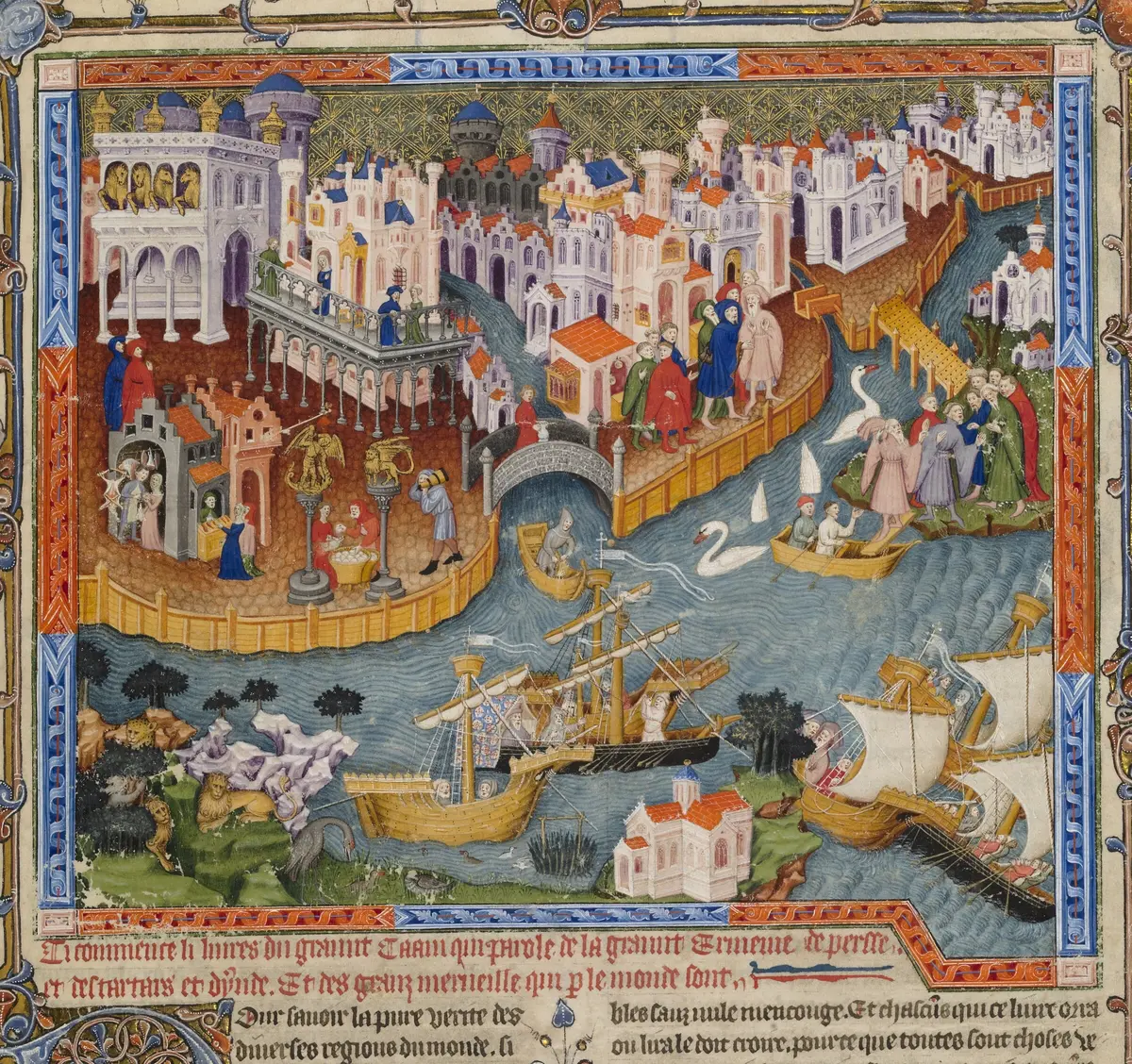
Marco Polo was a Venetian merchant who crossed Asia to the court of Kublai Khan, lived some seventeen years in Mongol-ruled China, and came home to describe it in one of the most influential books of the Middle Ages. He dictated the book in a Genoese prison in 1298 to a fellow prisoner, Rustichello of Pisa, a writer of romances; it was called the Description of the World, and Italians soon nicknamed it Il Milione. For two centuries it was Europe's fullest picture of China, its cities, its paper money and its trade, and of lands Europeans had barely heard of, from Sumatra to Japan.
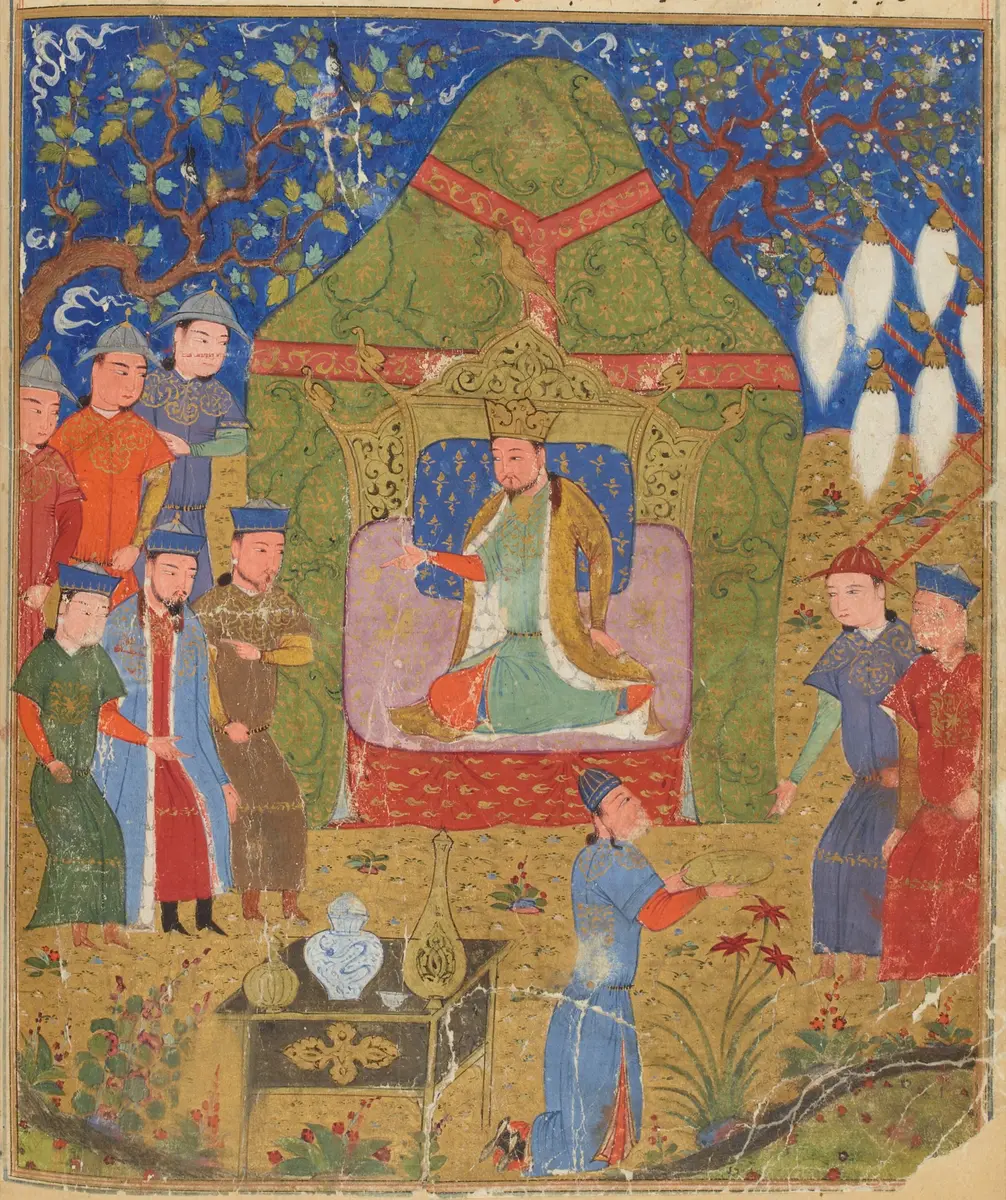
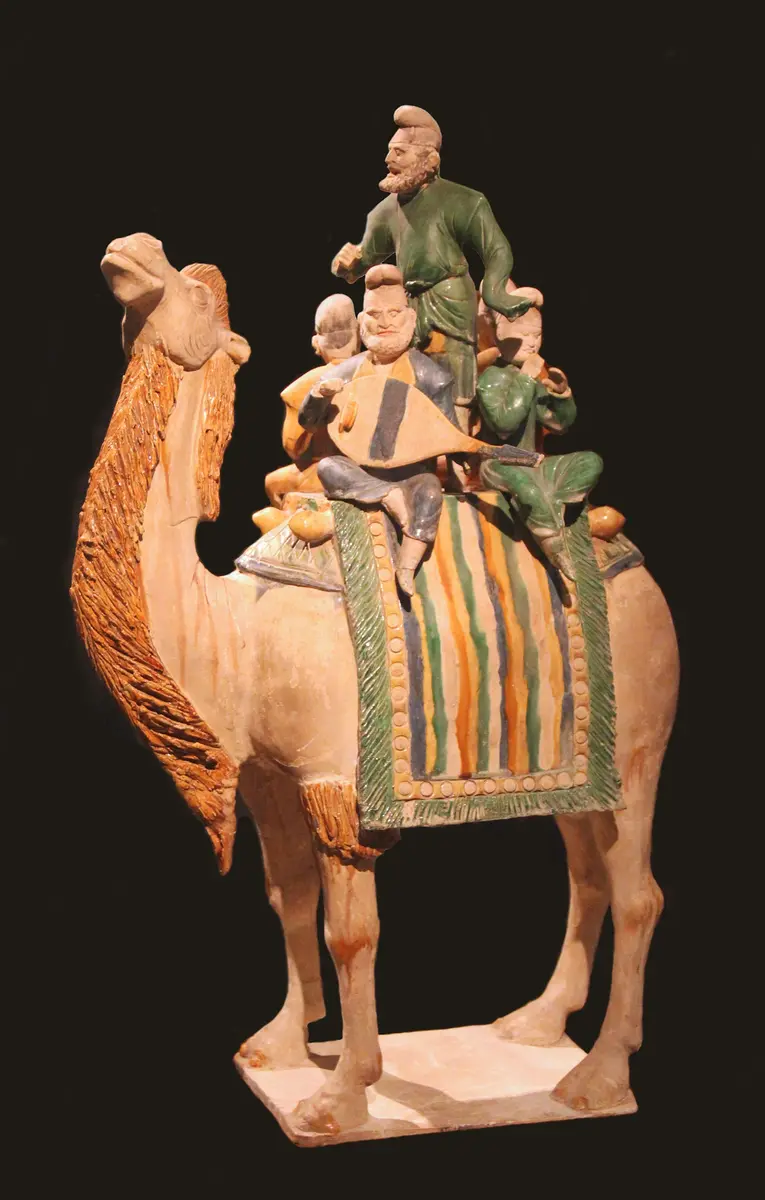
He was born in Venice about 1254 into a family of merchants who traded with the East. Around 1260 his father Niccolò and his uncle Maffeo left Constantinople for the Mongol courts on the Volga, were cut off from home by war, and went on from Bukhara with an embassy to Kublai, the Mongol emperor of China, who sent them back as his envoys to the pope. In 1271 they set out again, taking Marco, then about seventeen, with letters from the new pope, Gregory X. Their road led through Armenia and Persia to Hormuz, across Afghanistan and the Pamirs and along the oasis towns of the Silk Road, and after more than three years, in 1275, they reached Kublai at Shangdu, the summer capital remembered in English as Xanadu.
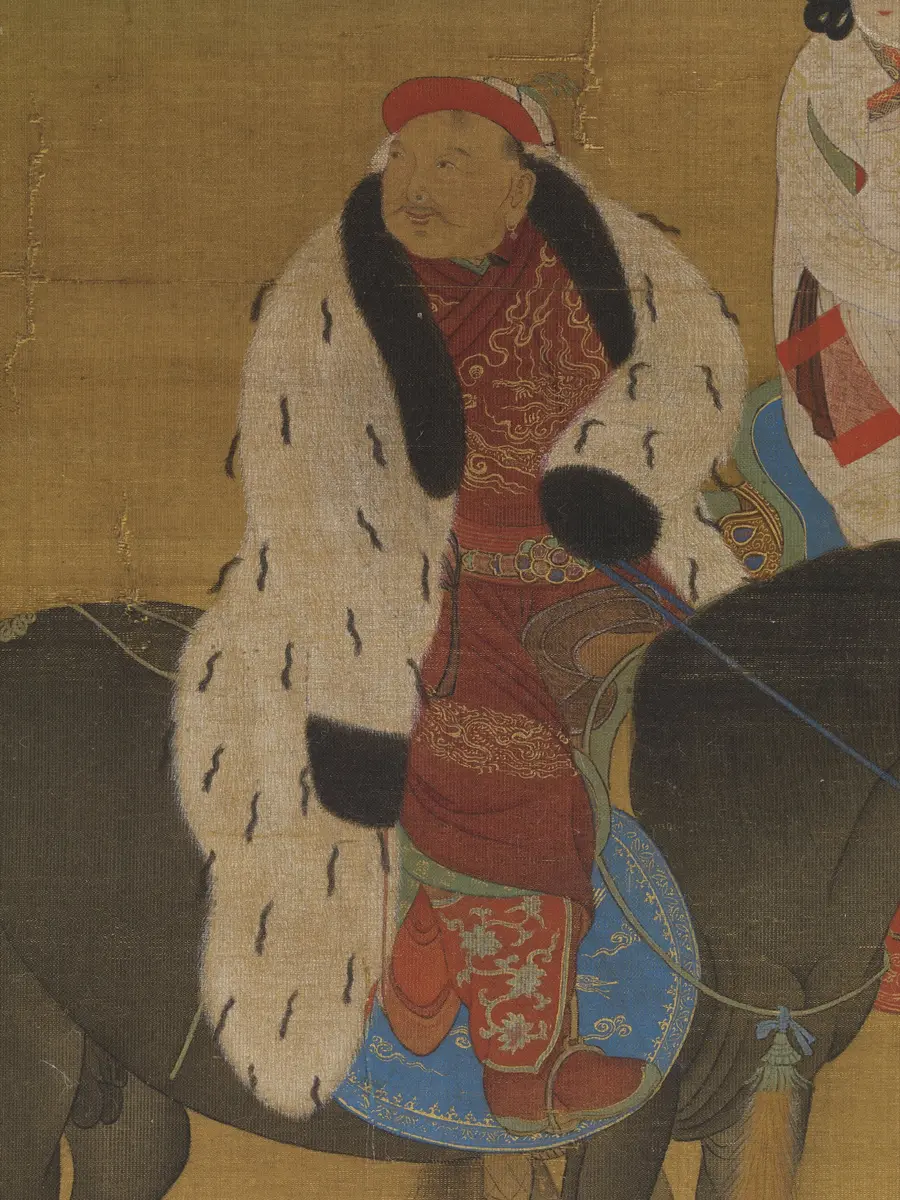
Kublai took to the young Venetian, who spoke several of the languages used at his court, and sent him on missions to distant provinces such as Yunnan and to the great cities of the south, above all Hangzhou. Marco's book also claims that he governed the city of Yangzhou and that his father and uncle built siege engines for Kublai's army; historians doubt both. Around 1291 the Polos were allowed to go home as escorts of a Mongol princess, Kököchin, promised to the Mongol ruler of Persia. Fourteen ships sailed from the port of Quanzhou, waited five months on Sumatra for the monsoon, and passed Ceylon and India to Hormuz; many of the travellers died on the way. The Polos reached Venice in 1295, twenty-four years after they had left.
Soon afterwards Marco was taken prisoner in the naval war between Venice and Genoa, by tradition at the battle off the island of Curzola in 1298. In prison he told his story to Rustichello, who wrote it down in a French mixed with Italian; it spread quickly in copies and translations, and about 140 manuscripts survive. Freed in 1299, he lived quietly as a merchant in Venice, married a woman named Donata and had three daughters. In January 1324, sick in bed, he made a will that freed his Tatar servant Peter; he died that month and was buried in the church of San Lorenzo, where his grave has since been lost.
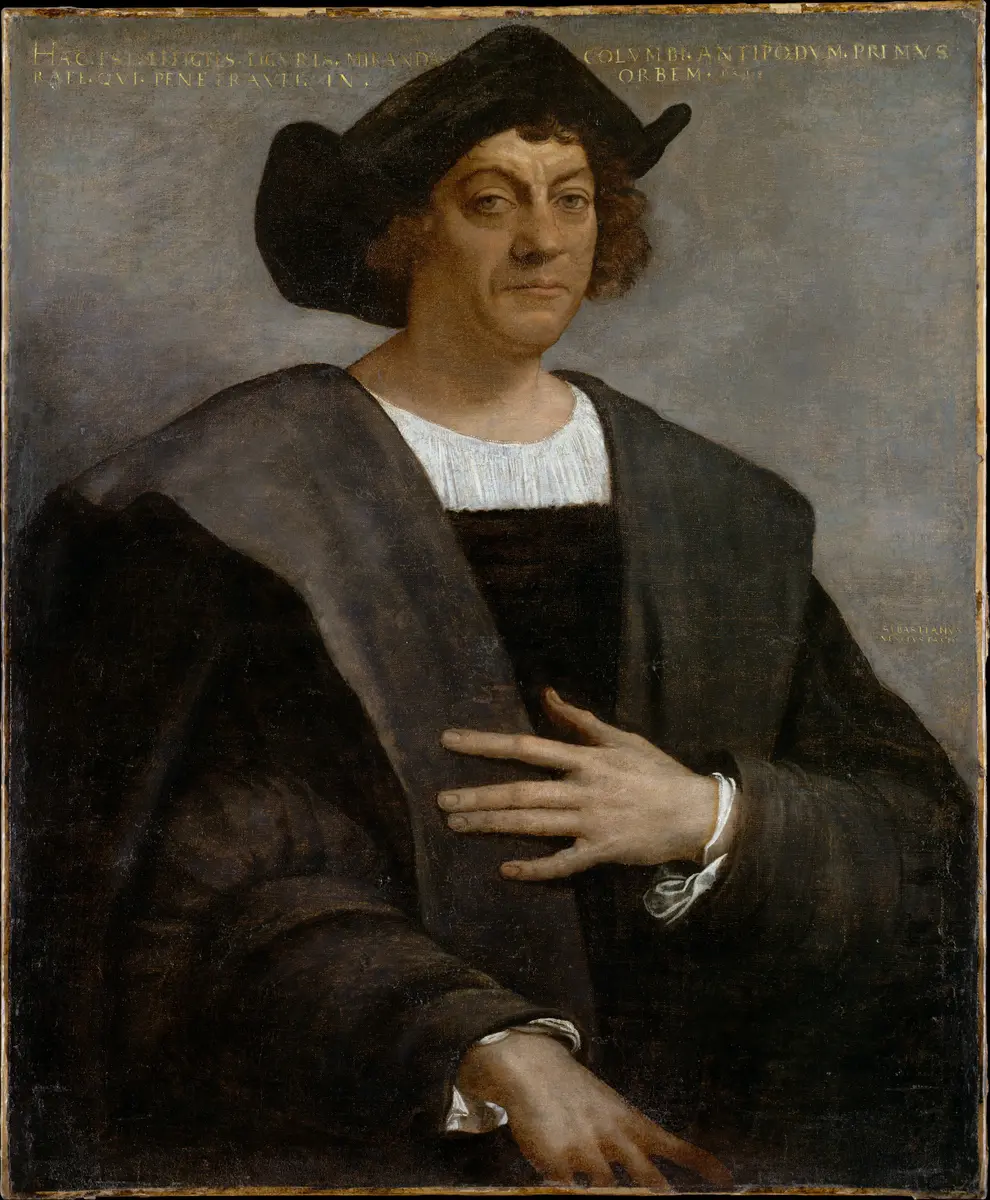
Readers have argued about him ever since. He does not mention the Great Wall, tea or Chinese writing, and no Chinese record names him, so some, most famously Frances Wood in 1995, have doubted that he went to China at all. Most specialists disagree: what he says of Kublai's court, the postal system, paper money and the salt trade matches Chinese sources, as Hans Ulrich Vogel showed in detail in 2013, even if he made himself more important than he was. His book shaped Europe's idea of Asia for two centuries: the Venetian mapmaker Fra Mauro drew on it, and Christopher Columbus, whose search for Japan began with Polo's description of it, owned a Latin copy and filled its margins with notes.
What happened
- 1254
Marco Polo is born in Venice, the son of Niccolò Polo, of a merchant family that trades with Constantinople and the Black Sea.
Corte seconda del Milion, Venice: by Venetian tradition the Polo family's house stood on this court in the parish of San Giovanni Grisostomo, where Marco lived after 1295 and made his will in 1324; he was born in Venice about 1254 - 1260
His father Niccolò and his uncle Maffeo leave Constantinople with their capital in jewels and travel by the Crimea to the Volga, where they trade at the court of Berke Khan of the Golden Horde.
- 1264
War between Mongol princes cuts them off from home. At Bukhara, where they wait for three years, they join envoys travelling to the Great Khan Kublai.
- 1265
The brothers reach Kublai, the first Europeans he has met. He sends them back as his envoys to the pope, asking for a hundred learned men and for oil from the lamp of the Holy Sepulchre, and gives them a golden tablet that will open every road in his empire.
- 1269
Back at Acre, they learn that Pope Clement IV died the previous November and no successor has been chosen. They go home to Venice, where Niccolò's wife is dead and Marco is a boy of fifteen.
Corte seconda del Milion, Venice: by Venetian tradition the Polo family's house stood on this court in the parish of San Giovanni Grisostomo, where Marco lived after 1295 and made his will in 1324; he was born in Venice about 1254- 1271
Tired of waiting for a pope, the brothers set out again, taking Marco, then about seventeen. At Acre the papal legate Teobaldo Visconti gives them letters for Kublai, and they fetch oil from Jerusalem.
Corte seconda del Milion, Venice: by Venetian tradition the Polo family's house stood on this court in the parish of San Giovanni Grisostomo, where Marco lived after 1295 and made his will in 1324; he was born in Venice about 1254At Ayas they hear that Teobaldo has been elected pope as Gregory X. They hurry back to Acre for his blessing and letters and two Dominican friars, and about November set out once more; the friars soon turn back.
- 1272
They cross Anatolia and Armenia by Erzurum and Tabriz to Hormuz on the Persian Gulf, decide not to risk the sea, and turn north-east through Kerman and Khorasan; in Badakhshan Marco recovers from an illness for a year.
- 1275
After crossing the Pamirs, the oases of the Silk Road and the Gobi, they reach Kublai at his summer capital Shangdu, more than three years after leaving Venice, and give him the oil and the pope's letters. Marco is about twenty-one.
Shangdu (Xanadu), Kublai's summer capital: where the Polos reached him in 1275 - 1277
Kublai, who likes to hear about strange lands, sends Marco on a long mission to Yunnan in the south-west, perhaps as far as Burma; it is the first of many journeys for the emperor, later to the great cities of the south such as Hangzhou.
- 1282
According to some versions of his book, Marco governs the city of Yangzhou for three years. No Chinese record confirms it, and most historians think he exaggerated a lesser post.
- 1287
Kublai issues a new paper currency worth five times the old notes. Polo's account of the Great Khan's mint at Cambaluc, which turns mulberry bark into money that passes everywhere, is the fullest any medieval European gave.
Khanbaliq (Dadu), Kublai's capital, today Beijing: the White Stupa, consecrated in 1279 west of the imperial city, stands from the city Polo called Cambaluc - 1291
Envoys of Arghun, the Mongol ruler of Persia, have come for a bride, and Kublai lets the Polos escort the seventeen-year-old princess Kököchin by sea. Fourteen ships with some 600 people sail from Quanzhou, the port Polo calls Zaiton.
Quanzhou, the great port Polo called Zaiton: the fleet with the princess Kököchin sailed from here about 1291; the Kaiyuan Temple's stone pagodas stood in the city thenThe fleet waits five months on Sumatra for the monsoon to change; Marco notes that the Pole Star can no longer be seen.
- 1292
Sailing between the Nicobar and Andaman Islands to Ceylon, they follow the coasts of India, where Marco records the pearl fishers of Maabar and the pepper of the west coast, towards Hormuz.
- 1293
They land at Hormuz to find that Arghun died in March 1291; the princess is married to his son Ghazan. Two of the three envoys and most of the company have died on the way.
- 1295
After months at Tabriz and a robbery at Trebizond, the Polos come home by Constantinople to Venice, twenty-four years after they left; the family later live in the parish of San Giovanni Grisostomo.
Corte seconda del Milion, Venice: by Venetian tradition the Polo family's house stood on this court in the parish of San Giovanni Grisostomo, where Marco lived after 1295 and made his will in 1324; he was born in Venice about 1254 - 1298
On 7 September Genoa's fleet under Lamba Doria destroys the Venetians off the island of Curzola and takes more than 7,000 prisoners. By a tradition recorded by the Venetian geographer Ramusio, Marco commands a galley there and is among them; contemporaries say only that he was captured at sea.
In the prison of Genoa Marco dictates his story to a fellow prisoner, Rustichello of Pisa, a writer of romances, who writes it in a French mixed with Italian as the Description of the World.
Palazzo San Giorgio, Genoa: by tradition Marco's prison in 1298, where he dictated his book to Rustichello of Pisa- 1299
Venice and Genoa make peace at Milan; the prisoners are freed, and by the end of the summer Marco is home in Venice.
Corte seconda del Milion, Venice: by Venetian tradition the Polo family's house stood on this court in the parish of San Giovanni Grisostomo, where Marco lived after 1295 and made his will in 1324; he was born in Venice about 1254- 1300
About this time he marries Donata; they have three daughters, Fantina, Bellela and Moreta. He lives on as a merchant in Venice and never travels east again.
Corte seconda del Milion, Venice: by Venetian tradition the Polo family's house stood on this court in the parish of San Giovanni Grisostomo, where Marco lived after 1295 and made his will in 1324; he was born in Venice about 1254 - 1307
He gives a copy of his book to Thibault de Cepoy, an envoy of Charles of Valois in Venice, who takes it to France.
Corte seconda del Milion, Venice: by Venetian tradition the Polo family's house stood on this court in the parish of San Giovanni Grisostomo, where Marco lived after 1295 and made his will in 1324; he was born in Venice about 1254 - 1324
Growing weaker every day, he dictates his will to the priest and notary Giovanni Giustiniani, frees his Tatar servant Peter, and asks to be buried in the church of San Lorenzo. He dies that month, by legend telling friends who begged him to retract his 'fables' that he had not told half of what he saw; his grave was lost when the church was rebuilt in 1592.
Corte seconda del Milion, Venice: by Venetian tradition the Polo family's house stood on this court in the parish of San Giovanni Grisostomo, where Marco lived after 1295 and made his will in 1324; he was born in Venice about 1254