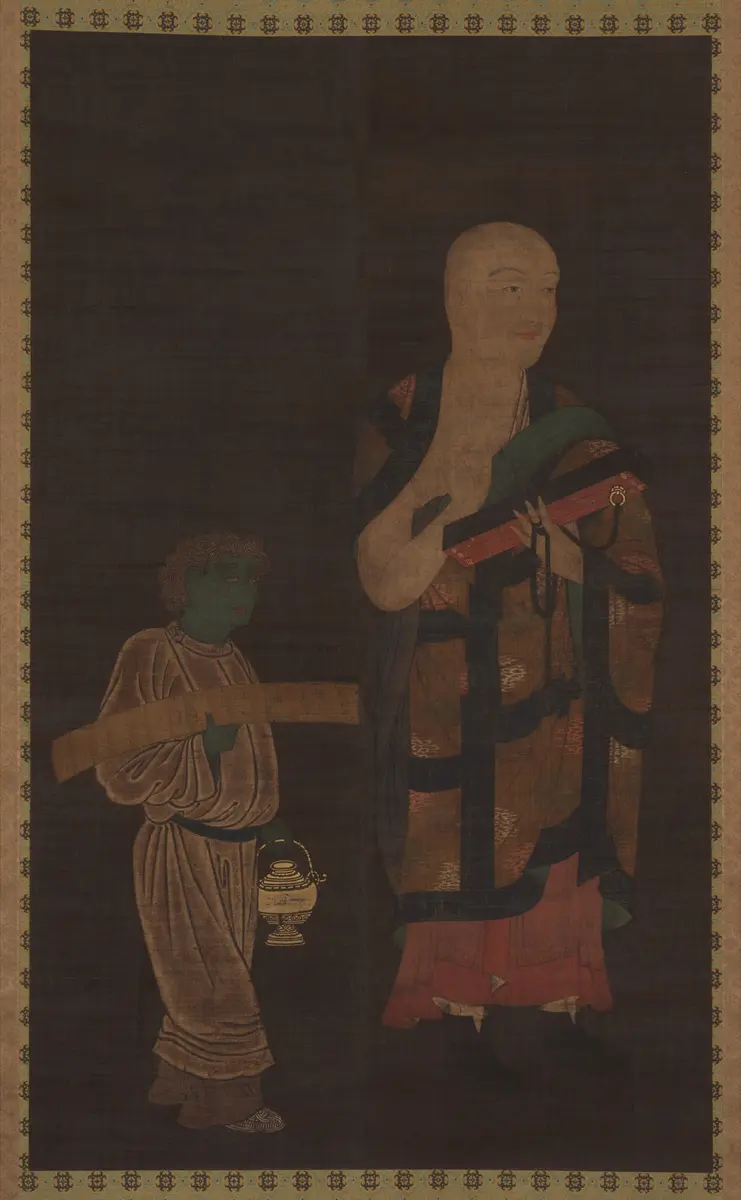
Xuanzang
“The Tang monk who walked to India and back (629–645), studied at Nalanda, and translated the Buddhist scriptures he brought home; the pilgrim behind Journey to the West.”
Xuanzang was a Chinese Buddhist monk who walked from the Tang capital Chang'an to India and back between 629 and 645, studied at the great monastery of Nalanda, and spent the rest of his life translating the hundreds of Sanskrit texts he had carried home. He was born in 602 at Goushi near Luoyang, the youngest son of a family of Confucian scholars, and followed an elder brother into a Luoyang monastery as a boy. When the Sui dynasty collapsed in 618 the brothers fled to Sichuan, where he was fully ordained in 622. The Chinese translations he studied contradicted one another, and no teacher could resolve them, so he decided to go to the source.
The new Tang government refused him a travel permit, and in 629 he left Chang'an in secret. He crossed the desert alone, nearly died of thirst, and reached the oasis kingdom of Gaochang, whose king tried to keep him and let him go only after a hunger strike, with letters and an escort for the road ahead. He went on through Kucha, over the Tianshan, past the camp of the Western Turk khan, through Samarkand and Bactria, and over the Hindu Kush to Bamiyan, where he saw the two giant Buddhas cut into the cliff. From Kapisa he came down into Gandhara, Taxila and Kashmir, where he stayed two years studying, and in 633 he reached the Buddhist holy places on the Ganges.
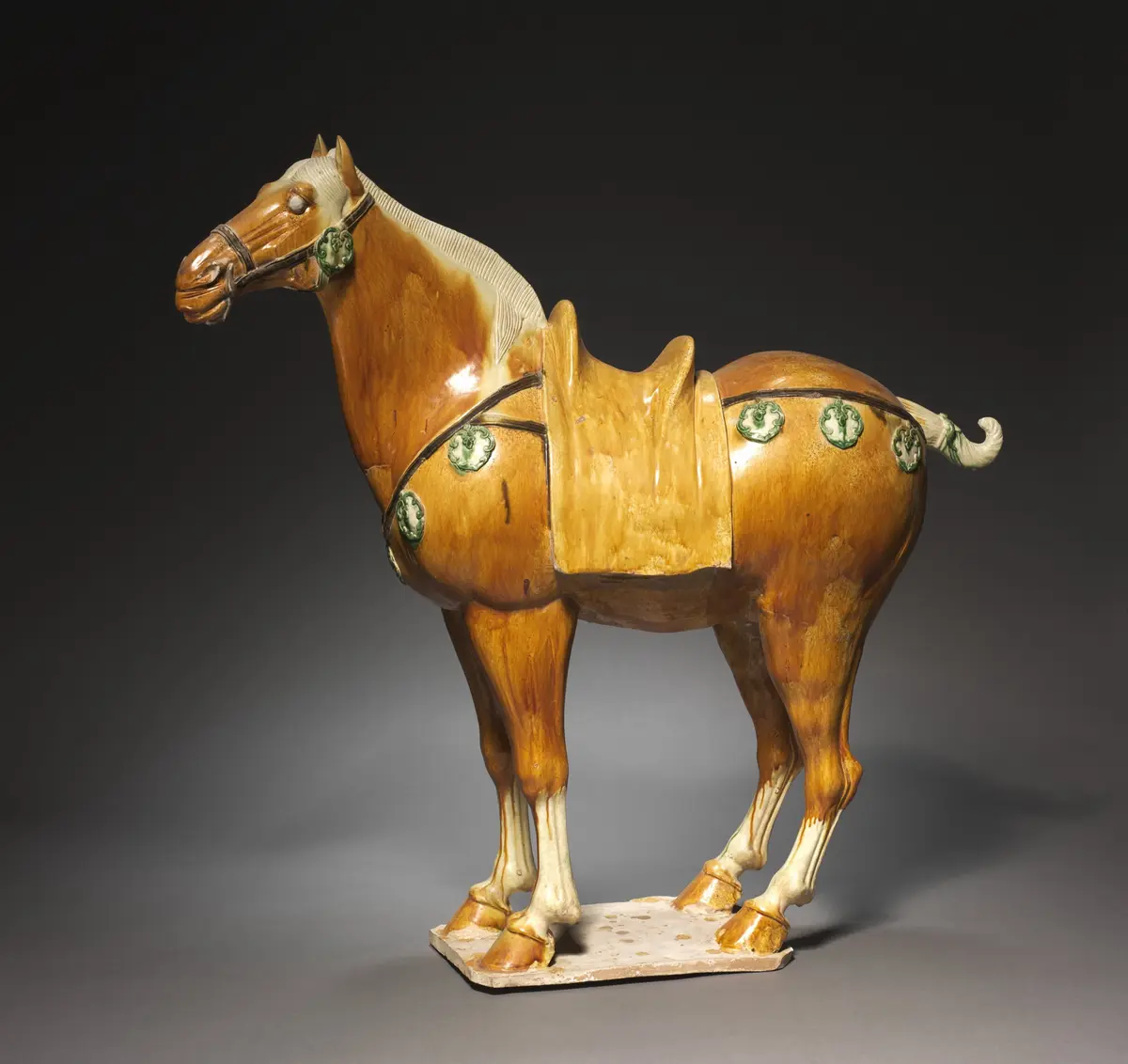
At Nalanda, the largest Buddhist university in the world, he became the pupil of its aged abbot Shilabhadra and mastered Sanskrit and the Yogacara philosophy, which teaches that the world we know is a construction of the mind. He travelled through almost the whole subcontinent, and his fame as a scholar and debater brought him to King Harsha, the most powerful ruler of northern India, who held a great assembly for him at Kannauj in 643 and helped him home. He came back over the Pamirs and by the southern Silk Road through Khotan, and in the first month of 645 Chang'an turned out to welcome him with his 657 texts, relics and images loaded on twenty horses.
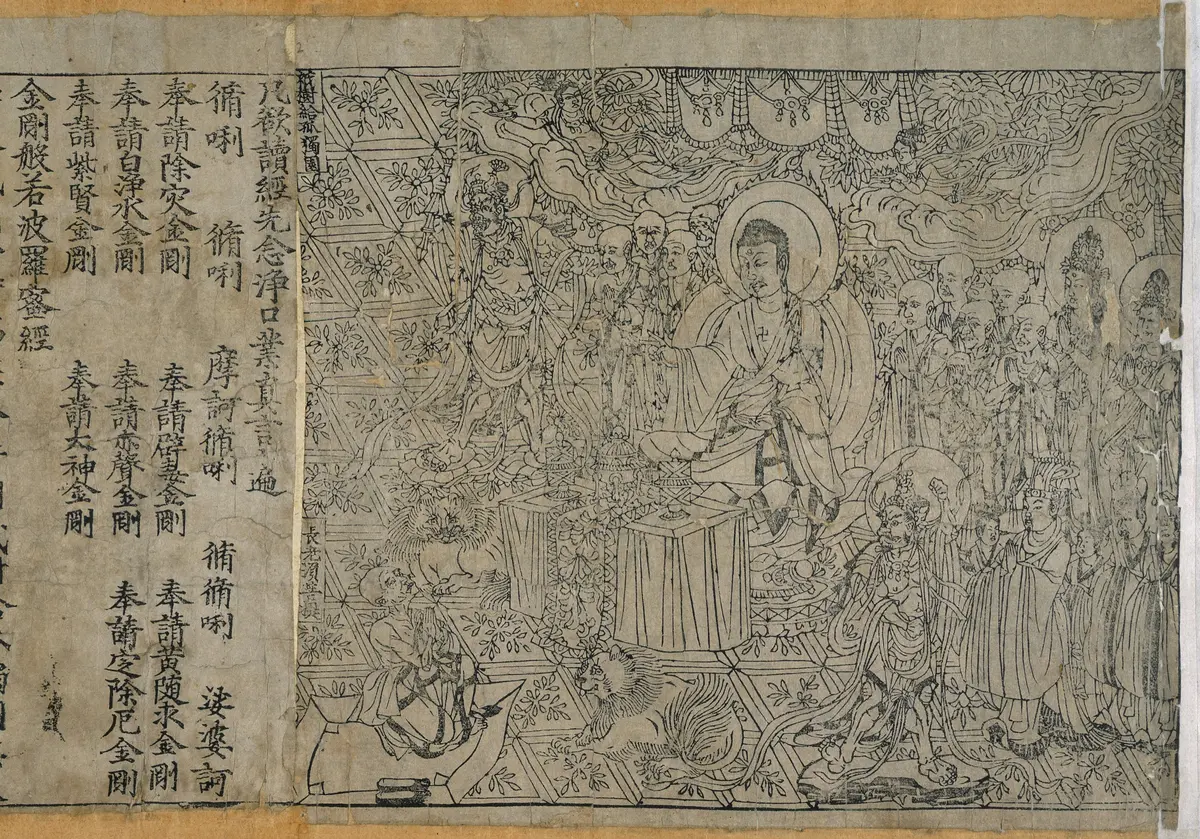
The emperor Taizong forgave his illegal departure, asked him to describe the lands he had seen, and offered him a ministry, which he refused. He dictated the Record of the Western Regions, finished in 646, the fullest description of seventh-century Central Asia and India that exists; it is still the guide archaeologists use to find lost Buddhist sites. Then he translated, with a team of assistants, for nineteen years: some 75 works in 1,335 chapters, among them the short Heart Sutra, which millions of East Asian Buddhists recite every day, and the enormous Great Perfection of Wisdom Sutra in 600 chapters. In 652 the Big Wild Goose Pagoda was built at his monastery in Chang'an to keep his scriptures. He died in 664 at the Yuhua monastery north of the capital, and the emperor Gaozong cancelled court for three days.
His own Consciousness Only school faded in China within a generation but lived on in Japan, where he is honoured as the patriarch of the Hosso sect. His journey became a legend; nine centuries later the novel Journey to the West turned the sober pilgrim into the timid master of the Monkey King, and that is how most Chinese know him today. The historical Xuanzang survives in his Record, in his translations, and in the biography his disciple Huili wrote from his own words.
What happened
- 602
Born at Goushi near Luoyang, the youngest of four children of a family of Confucian scholars; his lay name is Chen Hui.
Goushi near Luoyang, where he was born in 602 into a family of Confucian scholars; as a boy he studied at his brother's monastery in Luoyang - 611
His father dies; his elder brother, a monk at the Jingtu monastery in Luoyang, becomes the guide of his life, and he begins to study the Buddhist scriptures.
Goushi near Luoyang, where he was born in 602 into a family of Confucian scholars; as a boy he studied at his brother's monastery in Luoyang - 615
About thirteen years old, he is admitted as a novice at Luoyang by special exception, below the usual age.
Goushi near Luoyang, where he was born in 602 into a family of Confucian scholars; as a boy he studied at his brother's monastery in Luoyang - 618
As the Sui dynasty collapses in civil war, the brothers flee to Sichuan, where he studies for three years.
- 622
Fully ordained as a monk in Sichuan. The Chinese translations contradict one another and no teacher can resolve them; he resolves to go to India.
- 629
Refused a travel permit by the new Tang government, he leaves Chang'an in secret, travels by night, loses his companions, and crosses the desert west of Liangzhou alone, nearly dying of thirst.
Chang'an: the Da Ci'en monastery, founded in 648, where he translated from 649 and where the Big Wild Goose Pagoda was built in 652 for his scriptures; he left the city in secret in 629 and returned in 645 - 630
At Gaochang in the Turfan oasis the king Qu Wentai tries to keep him as the teacher of his court; he refuses food until the king relents, promises to return for three years on his way home, and goes on with gold, an escort and letters to the rulers of the road.
Through Kucha, where he waits for the snow to clear, over the Tianshan past the Great Clear Lake (Issyk-Kul) to the camp of the Western Turk khan, then Tashkent and Samarkand, the Iron Gates and Bactria.
Over the Hindu Kush to Bamiyan, where the king comes out to meet him and he sees the two giant Buddhas in the cliff, the larger 'about 150 feet high'; then on to Kapisa, where he spends the rainy season.
Bamiyan: the valley in the Hindu Kush where he saw the two giant Buddhas in about 630, on the way from Bactria to India- 631
Down into Gandhara and Taxila, and then to Kashmir, where he stays about two years studying the scriptures with the monks of the valley.
- 633
Reaches the holy land of Buddhism on the middle Ganges and visits the places of the Buddha's life, Bodh Gaya among them.
- 637
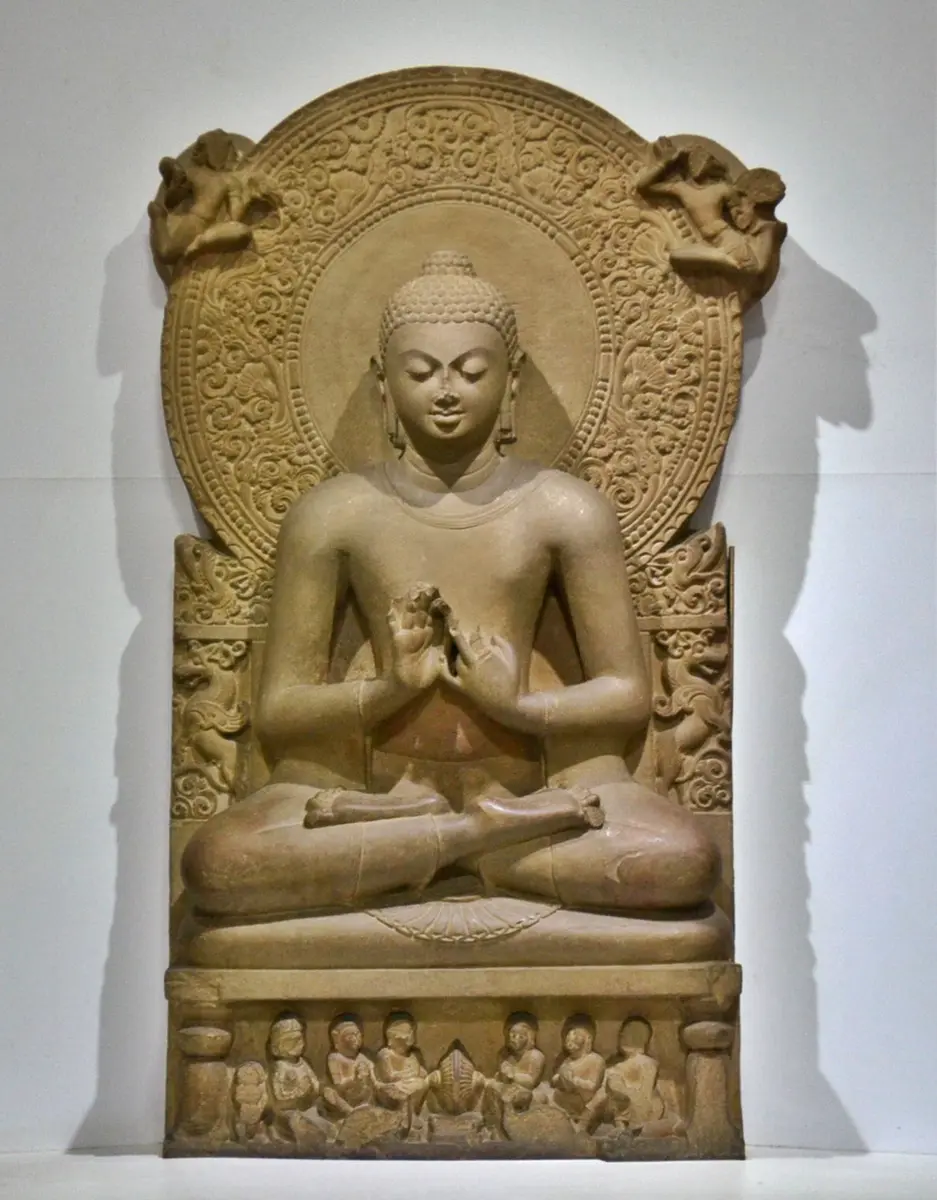
At Nalanda, the great monastery-university of Magadha, he becomes the pupil of the aged abbot Shilabhadra, masters Sanskrit, logic and the Yogacara philosophy, and from here travels through most of the subcontinent.
Nalanda: the great monastery-university of Magadha where he studied under Shilabhadra from about 637 - 643
King Harsha, the ruler of northern India, holds an eighteen-day assembly for him at Kannauj, where he is said to have defeated every opponent in debate; with the king's help he sets out for home.
- 644
Back over the Pamirs to Khotan on the southern Silk Road, where he writes to the emperor Taizong to ask forgiveness for leaving without permission, and waits seven or eight months for the reply; the texts lost when an elephant drowned in the Indus are copied again.
- 645
In the first month of 645 he reaches Chang'an after sixteen years away; the crowds are so thick that he spends the night on the canal. His 657 texts, 150 relics and seven images are carried on twenty horses to the Hongfu monastery. At Luoyang the emperor Taizong forgives him, questions him about the West, and offers him a ministry, which he declines.
Chang'an: the Da Ci'en monastery, founded in 648, where he translated from 649 and where the Big Wild Goose Pagoda was built in 652 for his scriptures; he left the city in secret in 629 and returned in 645 - 646
Dictates the Record of the Western Regions, a description of the 138 countries he visited or heard of, written down by his disciple Bianji, and presents it to the emperor in the seventh month.
- 648
The emperor Taizong writes a 'Preface to the Holy Teaching' for his translations; the crown prince founds the Da Ci'en monastery in memory of his mother, and Xuanzang is made its abbot and moves his translation bureau there.
Chang'an: the Da Ci'en monastery, founded in 648, where he translated from 649 and where the Big Wild Goose Pagoda was built in 652 for his scriptures; he left the city in secret in 629 and returned in 645 - 649
Translates the Heart Sutra, the short text that East Asian Buddhists recite to this day; Taizong dies the same year and his son Gaozong keeps up the patronage.
Chang'an: the Da Ci'en monastery, founded in 648, where he translated from 649 and where the Big Wild Goose Pagoda was built in 652 for his scriptures; he left the city in secret in 629 and returned in 645 - 652
The Big Wild Goose Pagoda is built at the Da Ci'en monastery, on his plan and after the Indian stupas, to keep the scriptures and images safe; a stele with the emperor's preface is set up beside it the next year.
Chang'an: the Da Ci'en monastery, founded in 648, where he translated from 649 and where the Big Wild Goose Pagoda was built in 652 for his scriptures; he left the city in secret in 629 and returned in 645 - 659
Ageing and ill, he withdraws to the Yuhua palace monastery north of the capital to translate the Great Perfection of Wisdom Sutra, the longest text he brought back, with three Sanskrit copies collated.
- 663
Completes the Great Perfection of Wisdom Sutra in 600 chapters; he declines to begin another great sutra and prepares for death.
- 664
Dies at the Yuhua monastery, having translated 75 works in 1,335 chapters; the emperor Gaozong cancels audiences for three days. He is buried at Bailuyuan east of Chang'an, and in 669 his remains are moved to a new pagoda at the Xingjiao monastery.
Xingjiao monastery south of Xi'an: his pagoda, built in 669 when his remains were moved here from their first grave at Bailuyuan