The Diamond Sutra, the oldest dated printed book
“The Diamond Sutra, a Buddhist scroll printed from wooden blocks in Tang China on 11 May 868 and found walled up in a cave at Dunhuang, is the oldest printed book that carries a date.”
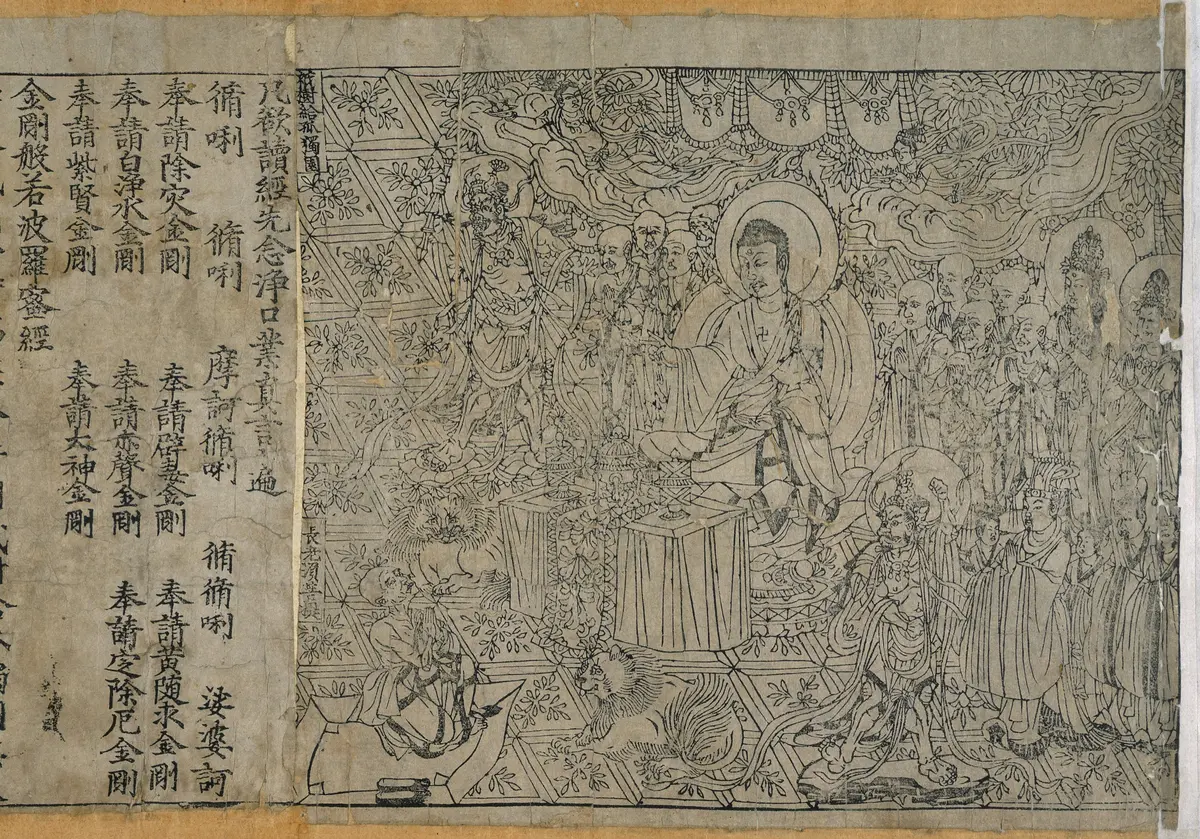
The Diamond Sutra of 868 is a Chinese Buddhist scroll printed from carved wooden blocks, and the oldest printed book in the world that carries a date. A short note at its end, the colophon, says that on the 15th day of the 4th month of the 9th year of the Xiantong reign, under the Tang dynasty, 'Wang Jie had this made for universal distribution on behalf of his two parents': 11 May 868 in the Western calendar. Seven strips of paper, each printed from a single block, were pasted together into a roll about five metres long. The first strip is a picture, the Buddha on a lotus throne speaking to his old disciple Subhuti among monks, guardians and heavenly beings under a canopy of trees; the text follows. Wang Jie did not print it himself. He paid for it, because making and giving away the Buddha's words earned merit for his parents.
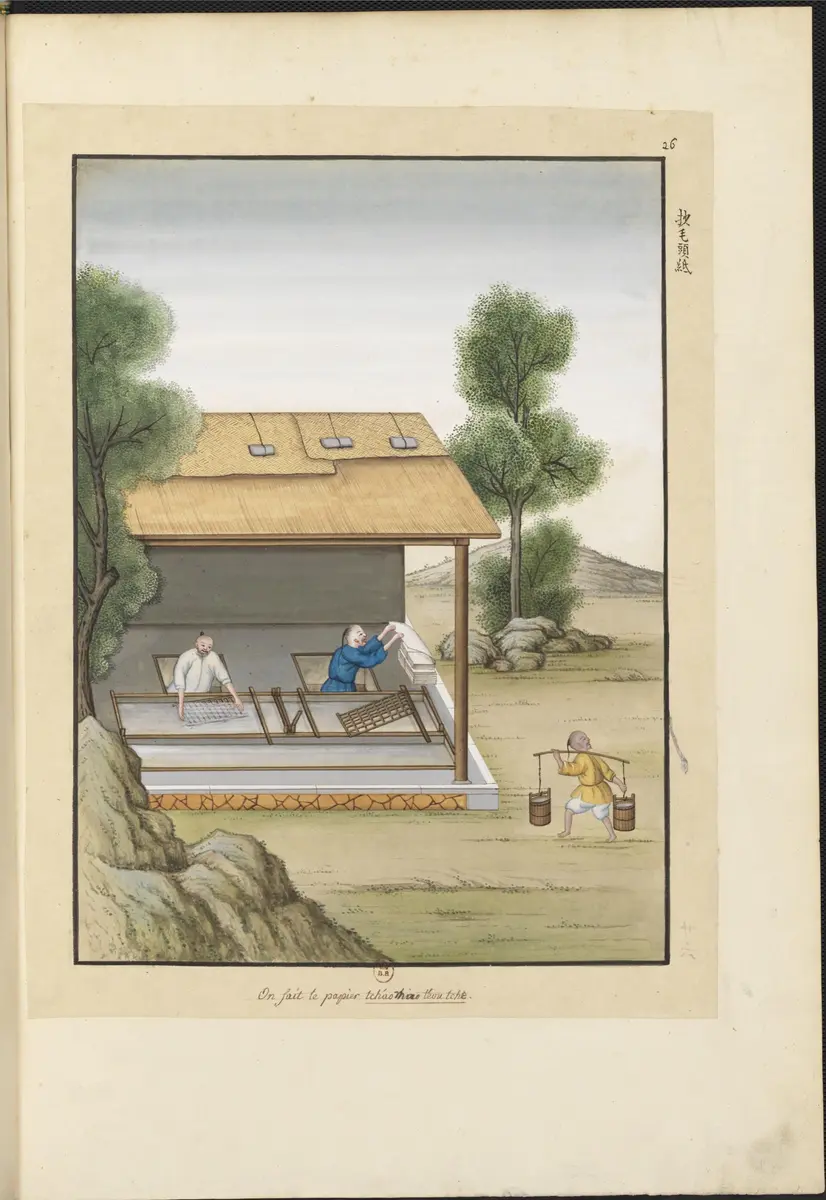
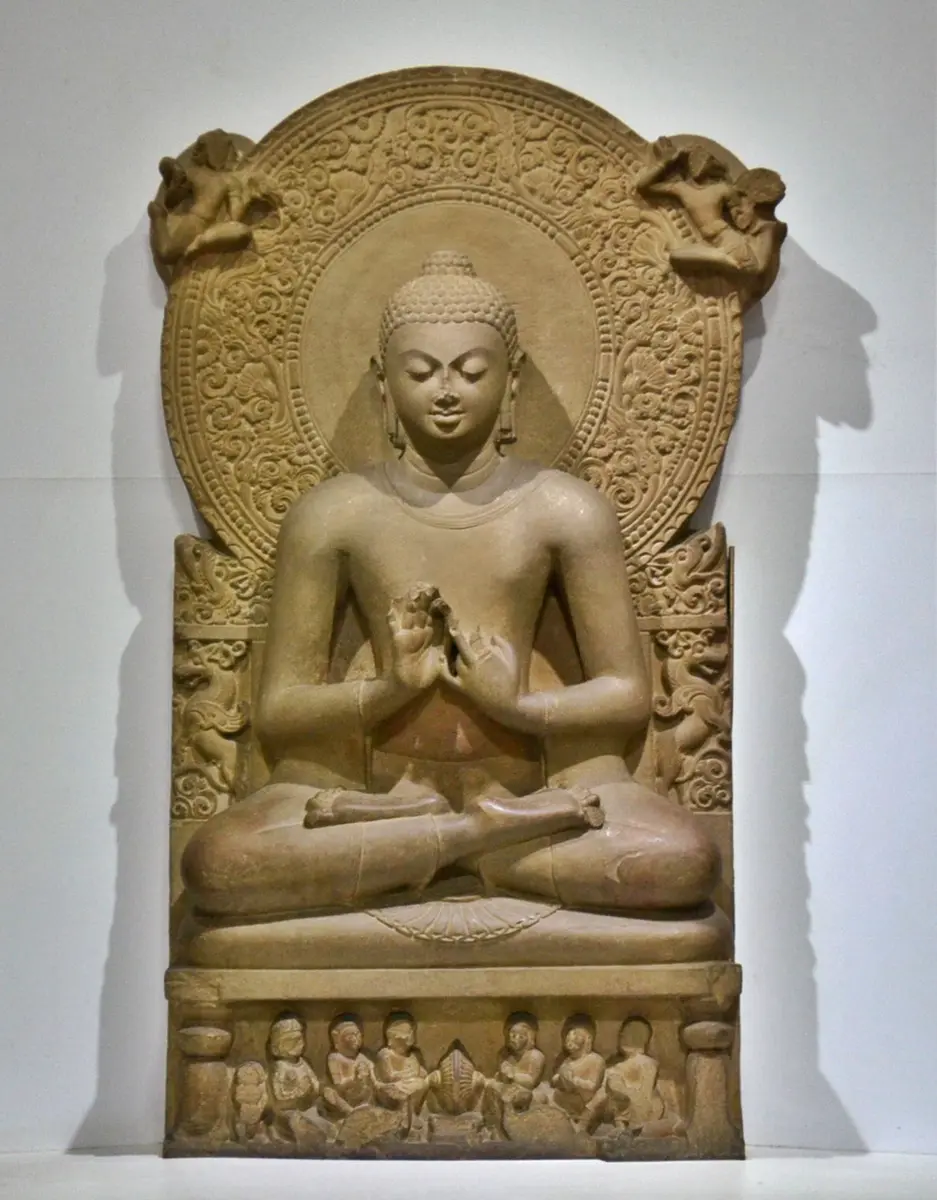
The text is the Diamond Sutra (in Sanskrit the Vajracchedika Prajnaparamita, 'the Perfection of Wisdom that cuts like a diamond'), a short Mahayana teaching in which the Buddha tells Subhuti that everything with a shape comes and goes like dew, foam, lightning or a dream. The scholar-monk Kumarajiva put it into Chinese around 400, and it became one of the best-loved scriptures of East Asia: short enough to chant in about forty minutes, and believers held that reciting or copying it brought great merit. To print it, the text was written on thin paper, pasted face down on a wooden block, and the carver cut away the wood around the reversed characters; one block could then print as many as a thousand sheets a day.
It is the oldest dated printed book, not the oldest print. The sharp lines of the picture show that block printing was already a mature craft, practised for more than a century. Older prints survive without a printed date: in Japan, Empress Shotoku had a million Buddhist charms printed and placed in small wooden pagodas around 764 to 770, and in Korea a printed charm scroll, the Pure Light Dharani Sutra, was found in 1966 inside the stone pagoda Seokgatap at Bulguksa temple, built around 751. Where Wang Jie's scroll was printed is not recorded.
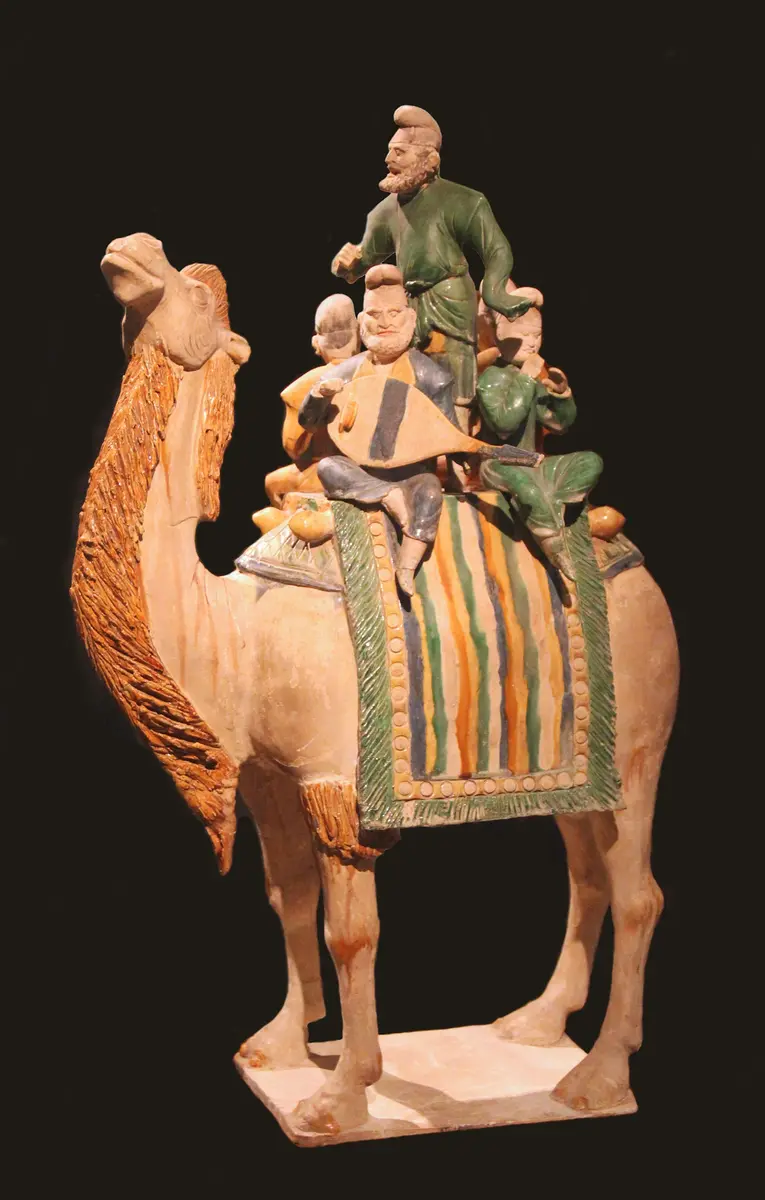
It survived by chance. At the Mogao Caves, a cliff of 492 Buddhist cave temples near Dunhuang, an oasis town where the northern and southern Silk Roads met, a small side room was packed with tens of thousands of manuscripts, paintings and prints and walled up around the year 1000, perhaps for fear of invaders. In 1900 Wang Yuanlu, a Taoist priest who was restoring the caves, found the hidden door. In May 1907 the explorer Aurel Stein persuaded him to open it, and for four 'horseshoes' of silver, about 500 rupees, took away bundles of manuscripts and paintings, the dated scroll among them. They went to the British Museum in London; the scroll is now in the British Library (Or.8210/P.2). Stein's first book on the journey, in 1912, misdated it to 860; his full report of 1921 gave 868.
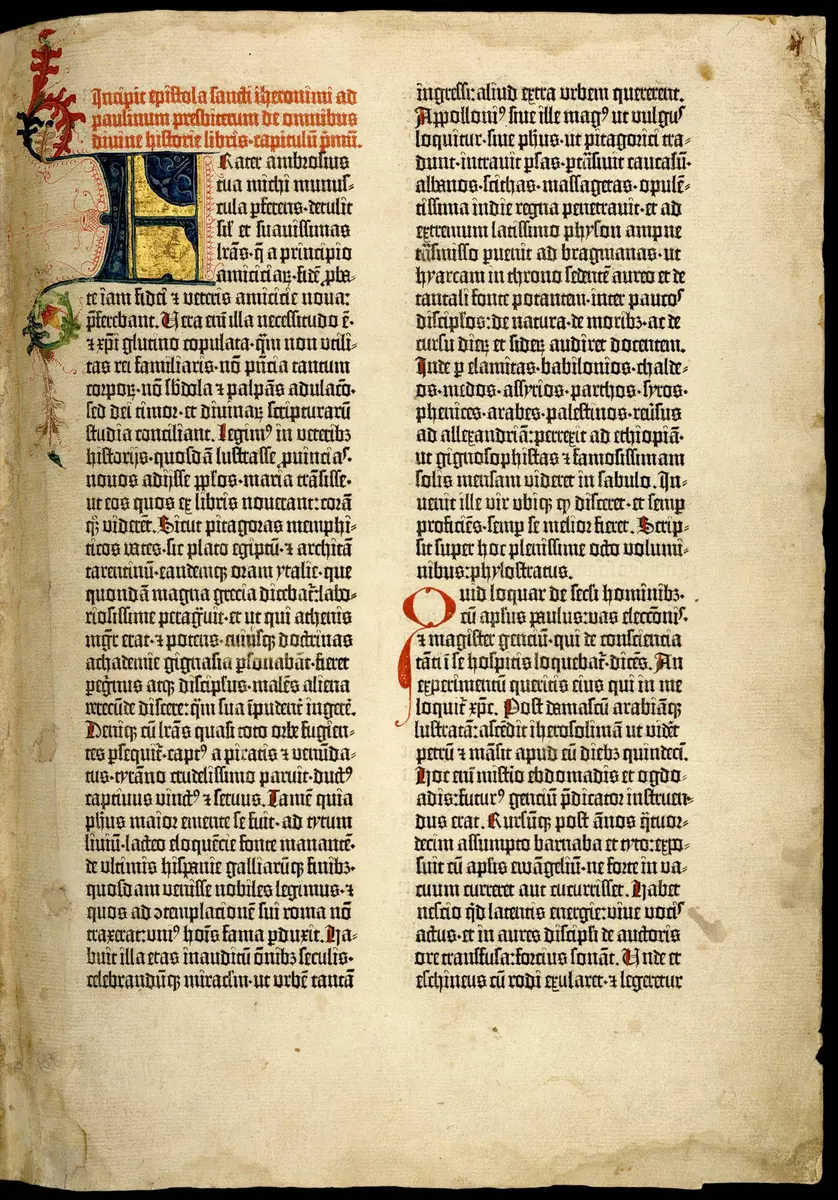
The scroll proves that China was printing whole illustrated books almost six hundred years before Gutenberg's Bible of the 1450s. In China printing then spread from Buddhist charms and sutras to the Confucian classics (printed by order of the state from 932) and, under the Song, the whole Buddhist canon and paper money. Today the Diamond Sutra is one of the British Library's great treasures, and the International Dunhuang Project (now Programme), of which the Library is part, is putting the scattered library of the cave back together online, so that anyone can read Wang Jie's dedication.
What happened
- 868
Wang Jie has the Diamond Sutra printed 'for universal distribution on behalf of his two parents', as the colophon at the end of the scroll records: the 15th day of the 4th month of the 9th year of Xiantong of the Tang dynasty, 11 May 868 in the Western calendar.