China issues the first government paper money
“In 1023–24 Song China's government took over Sichuan merchants' paper notes and printed its own jiaozi at Chengdu: the world's first government paper money, over 600 years before Europe's first banknotes.”
In 1023 the government of the Song dynasty took over a kind of paper money that merchants in Sichuan, in China's south-west, had been issuing for about thirty years, and from 1024 a state office in Chengdu printed the notes itself. These jiaozi, 'exchange notes', were the first paper money issued by any government in the world. Rules were set to keep them trusted: each issue was valid for a fixed term of about three years and then had to be changed for new notes; no more than about 1.25 million strings of cash could be in circulation; the office kept 360,000 strings of iron coin in reserve; and it charged 3 percent to change coin into paper.
Sichuan was rich and busy with trade, and Chengdu had prospered as capital of the kingdom of Later Shu; when the Song took it in 965 they left the province as a separate money zone that used iron coins. Iron cash was heavy and worth little, which made large payments and trade over long distances slow and costly. When a rebellion broke out in 993 and the iron mints stopped working, merchant firms in Chengdu began to give out paper receipts for deposits of coin, silk and other goods, and the receipts passed from hand to hand as money. Around 1005 the prefect Zhang Yong let only sixteen leading merchant houses issue them, but the houses printed too many, put the deposits into risky ventures and could not always pay out. By about 1020 their notes were losing value, and the next prefect closed the houses, to popular protest. The province now depended on paper, so instead of banning it the new prefect, Xue Tian, proposed that the state make the notes, and the court of the young emperor Renzong agreed.
Under the state the jiaozi soon became Sichuan's main money, pushing iron coin aside, and the government also used them to pay merchants who carried supplies to the armies on the northern frontier. Then came the danger every later issuer would face: in the early twelfth century, under the heavy spending of Cai Jing's government, far too many were printed, the notes lost most of their value, and from 1105 they were replaced by a new note, the qianyin, at a quarter of their face value.
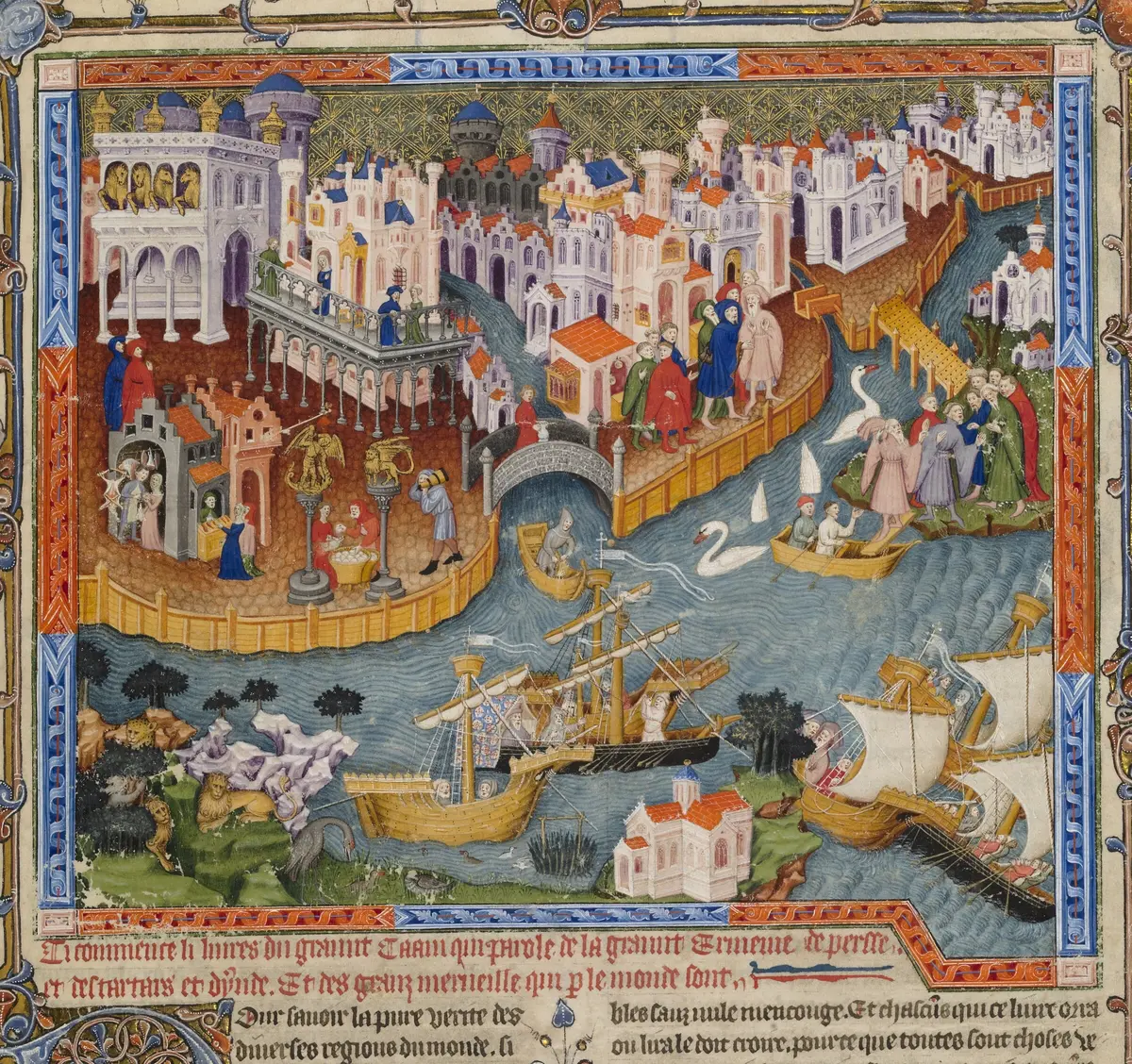
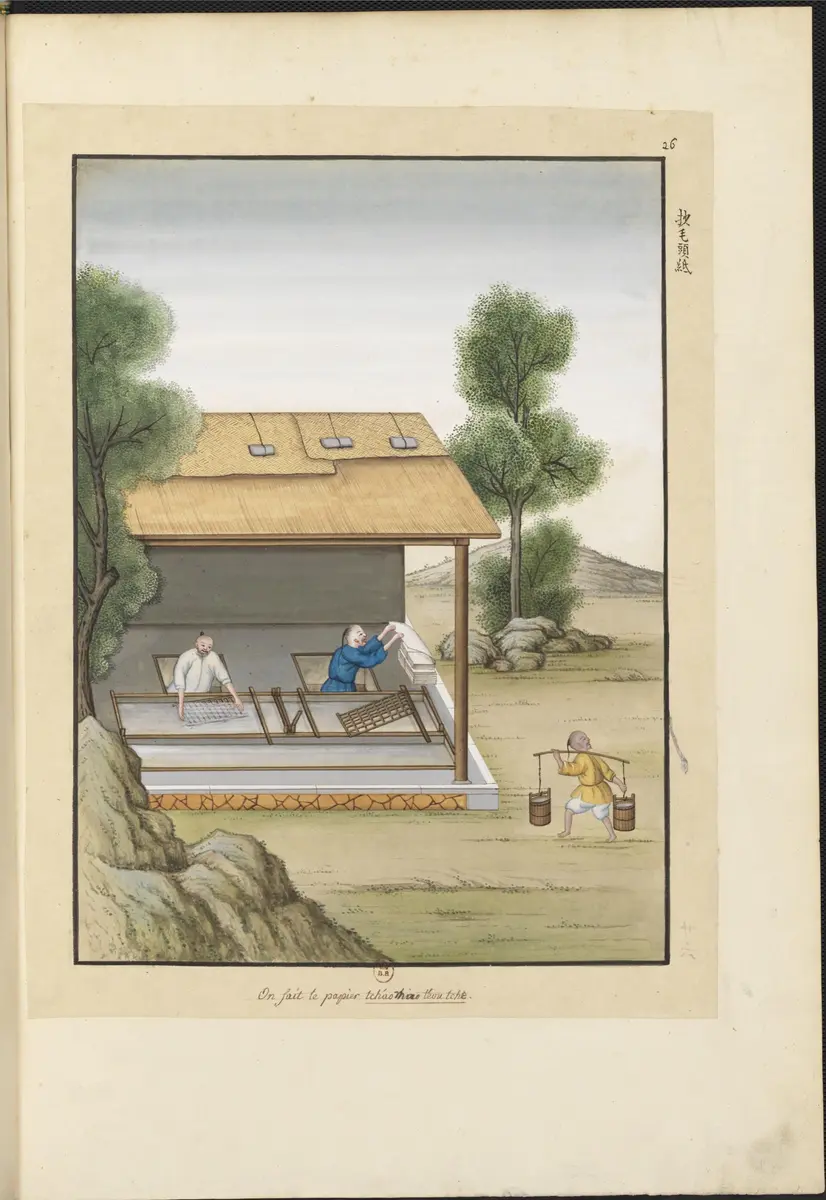
The idea spread all the same. In 1161 the Southern Song began issuing huizi notes at its capital, Hangzhou; the Jin, who had taken the north, printed their own; and by the Mongol conquest paper had become China's standard money. From 1260 Kublai Khan made paper notes the only legal money of his empire, the money Marco Polo described with amazement: black sheets made from mulberry bark, signed by officials and stamped in red, which no one dared refuse. The Ming dynasty issued its own Treasure Notes from 1375, but printed so many that within fifteen years a note for 1,000 coins bought only 250, and by the early fifteenth century China had turned to silver.
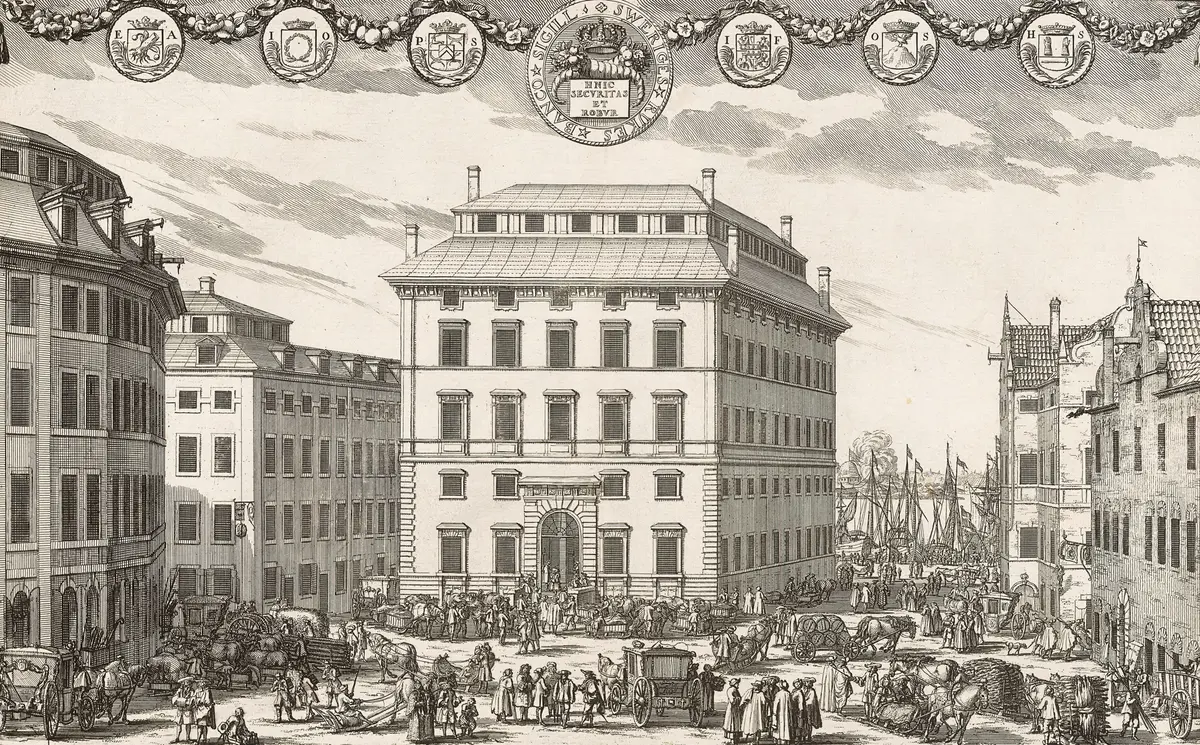
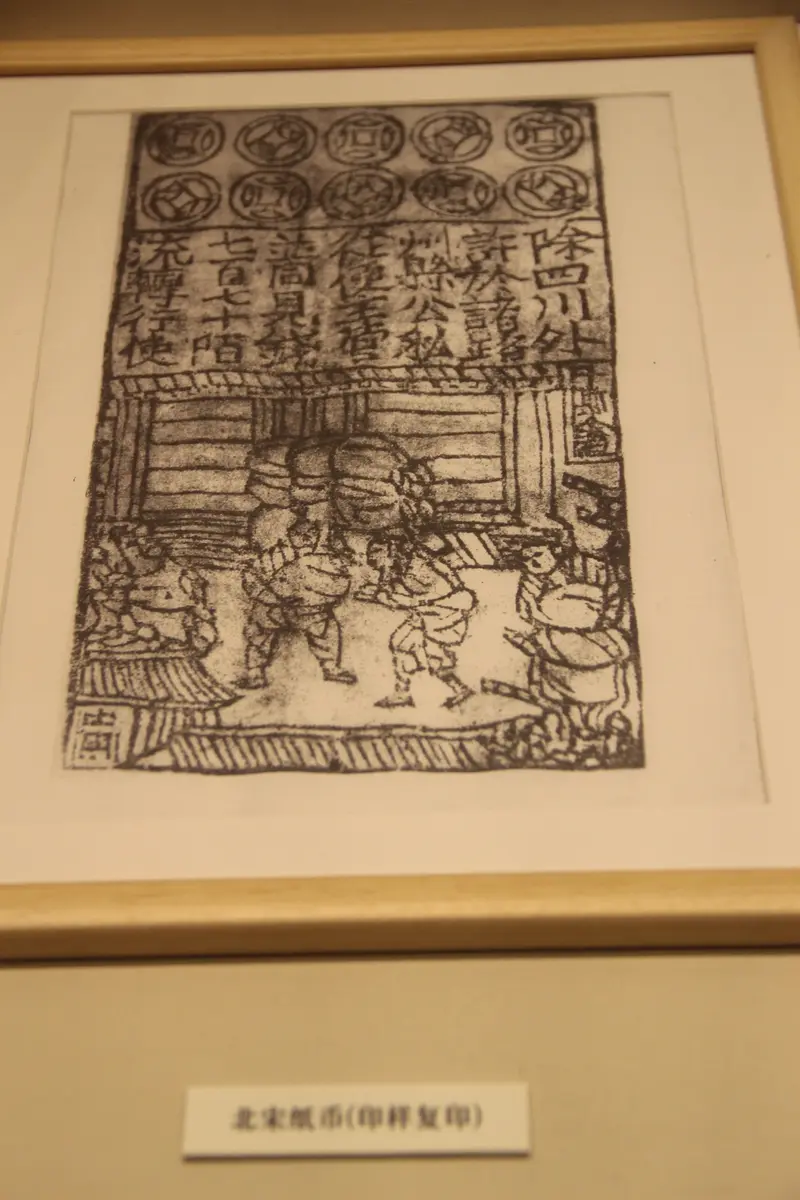
The jiaozi began something the world still lives with: money that is only paper, valued because a government stands behind it and limits how much it prints. Europe's first banknotes came from Stockholms Banco in 1661, more than six centuries later, and Europe's first lasting paper currency only with the Bank of England. The Chinese story also showed, early and clearly, how such money fails when a state prints too much. Nothing of the first notes is left: no Song jiaozi is known to survive, the oldest notes that do are Jin and Mongol notes of the thirteenth century, and the picture usually shown as a Song note is a print from a plate whose date and purpose are still debated.
What happened
- 1023
With Chengdu's private note houses closed after their notes lost value, the new prefect, Xue Tian, proposes that the state issue the notes itself, and the court of the young emperor Renzong agrees: paper money becomes a government monopoly.
Kaifeng (Bianjing), the Northern Song capital, where the court approved the state notesA state office for the notes, the Jiaozi Bureau (jiaozi wu), is set up at Chengdu to print them and to change them for coin and back, for a fee of 3 percent.
Chengdu, capital of Sichuan and seat of the Song prefecture of Yizhou: the merchant houses' jiaozi, then the government's note office- 1024
The first government jiaozi go into circulation in Sichuan. Each issue is to run for a fixed term of about three years and then be changed for new notes; no more than about 1.25 million strings of cash may be out at once, and 360,000 strings of iron coin are held in reserve.
Chengdu, capital of Sichuan and seat of the Song prefecture of Yizhou: the merchant houses' jiaozi, then the government's note office