Global financial crisis
“In 2008 the bursting of America's housing bubble froze the world's banks: Lehman Brothers failed, governments rescued the rest, and the world fell into its worst slump since the 1930s.”
The global financial crisis was the worst breakdown of the world's financial system since the Great Depression. It began on August 9, 2007, when BNP Paribas, the largest French bank, froze three investment funds because the American mortgage securities inside them could no longer be valued, and banks everywhere began to hoard cash. A month later British savers queued outside the branches of Northern Rock in the country's first bank run in 150 years. In March 2008 the Federal Reserve helped JPMorgan Chase take over the investment bank Bear Stearns, and in September the US government took over Fannie Mae and Freddie Mac, the giants of the American mortgage market. Then, on September 15, 2008, Lehman Brothers filed for bankruptcy, with $639 billion in assets the largest in American history. The next day the Fed lent $85 billion to the insurer AIG. In the weeks that followed, investors fled money market funds, the rate banks charged each other for loans hit a record, and Iceland's three main banks collapsed within a week.
The roots lay in American housing. Average home prices more than doubled between 1998 and 2006, the sharpest rise in US history, fed by cheap credit and by 'subprime' mortgages lent to people with poor credit, often at low rates that rose after a few years. Banks bundled thousands of these loans into mortgage-backed securities and sold them around the world, investors trusted the credit rating agencies' grades, and Wall Street firms borrowed heavily, much of it overnight, to hold them. When house prices began to fall and borrowers stopped paying, nobody knew which institutions held the losses, so lenders pulled back from all of them. The official American inquiry, the Financial Crisis Inquiry Commission, concluded in 2011 that the crisis 'was avoidable': bankers and regulators, the Federal Reserve above all, had ignored the warnings.
Governments and central banks answered on a scale never seen before. After first voting it down, the US Congress created a $700 billion rescue fund, the Troubled Asset Relief Program, on October 3, 2008, and the Treasury used it to buy shares in the banks. Six central banks cut interest rates together on October 8; by December the Fed's rate was close to zero, and it had begun buying bonds with newly created money. In April 2009 the leaders of the G20, meeting in London, agreed $1.1 trillion of extra support through the IMF and other institutions. Even so, the American economy shrank by 4.3 percent in the recession that ran from December 2007 to June 2009, the longest since the Second World War; unemployment reached 10 percent, and the S&P 500 stock index lost 57 percent of its value. The world economy as a whole shrank in 2009, though China, India and Indonesia kept growing.
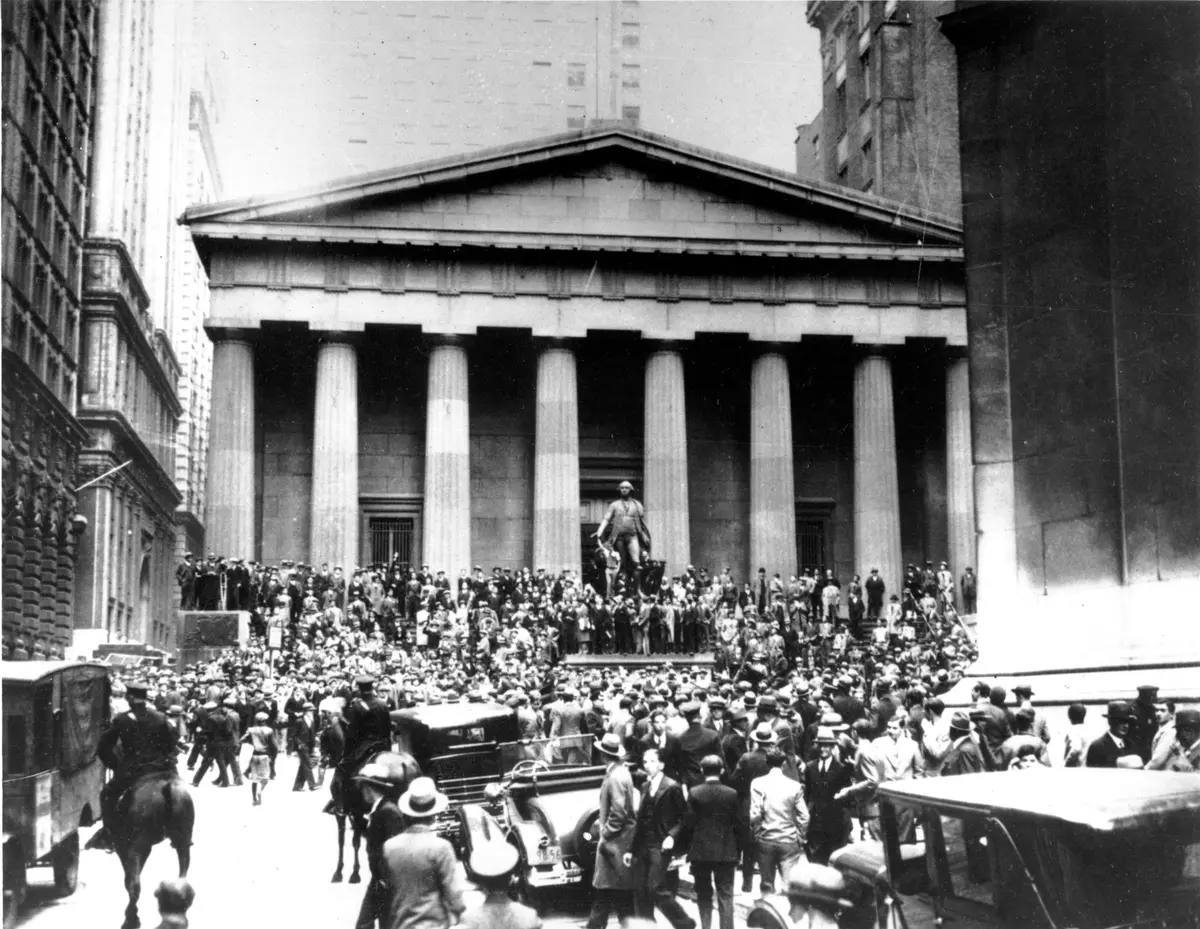
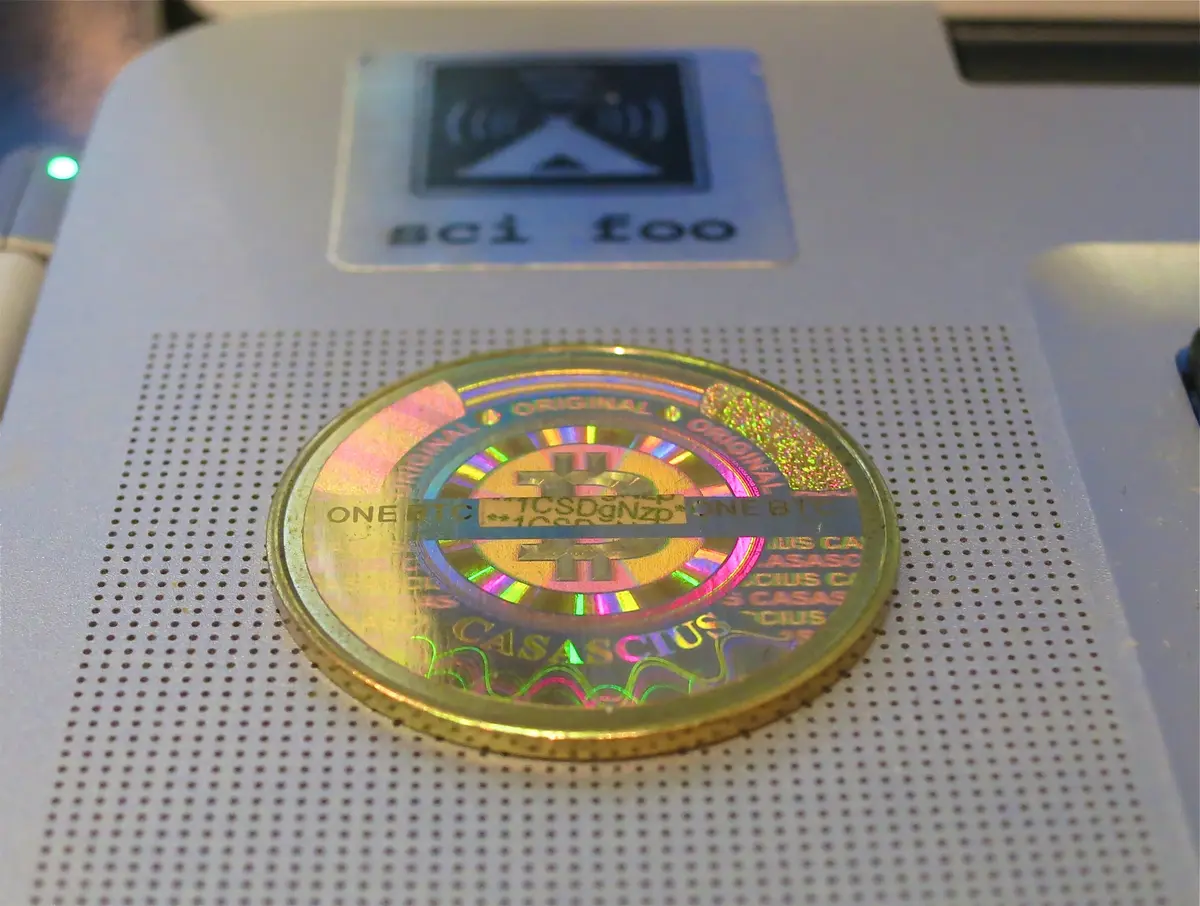
Ordinary people paid the highest price. By the time the inquiry reported, about four million American families had lost their homes to foreclosure and nearly $11 trillion of household wealth had vanished; some 7.5 million American jobs were lost between 2007 and 2009. The banks were saved with public money, yet no senior American banker was prosecuted, and the anger fed the Occupy Wall Street movement of 2011. Regulators answered with the Dodd-Frank Act of 2010, higher capital requirements and regular stress tests of the biggest banks, and in Europe the crisis was followed by a crisis of government debts in the eurozone. It also changed how some people thought about money: on October 31, 2008, an unknown 'Satoshi Nakamoto' published the design of Bitcoin, electronic cash that needs no bank. The crisis has been retold in films such as Margin Call (2011) and The Big Short (2015).
What happened
- 2007
BNP Paribas, the largest French bank, freezes three investment funds holding American mortgage securities, saying the market for them has evaporated and they can no longer be valued. Banks start to hoard cash: within two days the premium they charge each other for three-month loans doubles.
BNP Paribas's head office, 16 boulevard des Italiens, Paris: the bank froze three funds on August 9, 2007With the Chancellor's approval, the Bank of England gives Northern Rock, a mortgage lender that has run out of cash, an emergency support facility. As the news spreads, savers queue outside its branches to take their money out: Britain's first bank run in 150 years.
Northern Rock's branch in North Street, Brighton: savers queued here on September 14, 2007The Federal Reserve cuts its key interest rate by half a point, to 4.75 percent: the first of the cuts that will take it close to zero by December 2008.
The Federal Reserve Board, Eccles Building, WashingtonTreasury Secretary Henry Paulson and Fed Chairman Ben Bernanke, the two men who will lead the American response, testify on the mortgage crisis before the House Financial Services Committee.
The US Capitol, Washington: Congress questioned Paulson and Bernanke and voted on the rescueThe American economy enters recession: December 2007 is the peak, the National Bureau of Economic Research rules a year later.
- 2008
The British government nationalises Northern Rock.
Northern Rock's branch in North Street, Brighton: savers queued here on September 14, 2007Bear Stearns, which told the Fed three days earlier that it could not meet its obligations, accepts a takeover by JPMorgan Chase; the New York Fed lends about $29 billion to take some $30 billion of its assets off the deal.
Bear Stearns' headquarters, 383 Madison Avenue, New York: taken over by JPMorgan Chase on March 16, 2008Fannie Mae and Freddie Mac, which dominate the buying and guaranteeing of American mortgages, are placed in conservatorship, and the Treasury promises to keep both solvent; their debts come to some $1.6 trillion.
Fannie Mae's headquarters, 3900 Wisconsin Avenue, Washington: taken over by the government on September 7, 2008After a weekend of talks at the New York Fed fails to find a buyer or a rescue, Lehman Brothers files for bankruptcy early on Monday morning: with $639 billion in assets, the largest bankruptcy in American history. The Dow Jones index falls more than 500 points, 4 percent.
Lehman Brothers' headquarters, 745 Seventh Avenue, New York: the bank filed for bankruptcy on September 15, 2008The Fed lends $85 billion to AIG, which had insured banks against losses on mortgage securities, and the government takes 79.9 percent of the company. After the market closes, the Reserve Primary Fund, a money market fund holding Lehman's paper, 'breaks the buck', and investors begin to pull out of such funds.
AIG's headquarters, 70 Pine Street, New York: rescued by the Federal Reserve on September 16, 2008President Bush meets congressional leaders and the two presidential candidates, John McCain and Barack Obama, at the White House about the crisis and the Treasury's $700 billion rescue plan. That evening regulators close Washington Mutual, the country's largest savings and loan, with $307 billion in assets, and sell its banking business to JPMorgan Chase.
The White House, WashingtonThe House of Representatives votes down the $700 billion Troubled Asset Relief Program; the Dow Jones falls 7 percent and bank shares 16 percent.
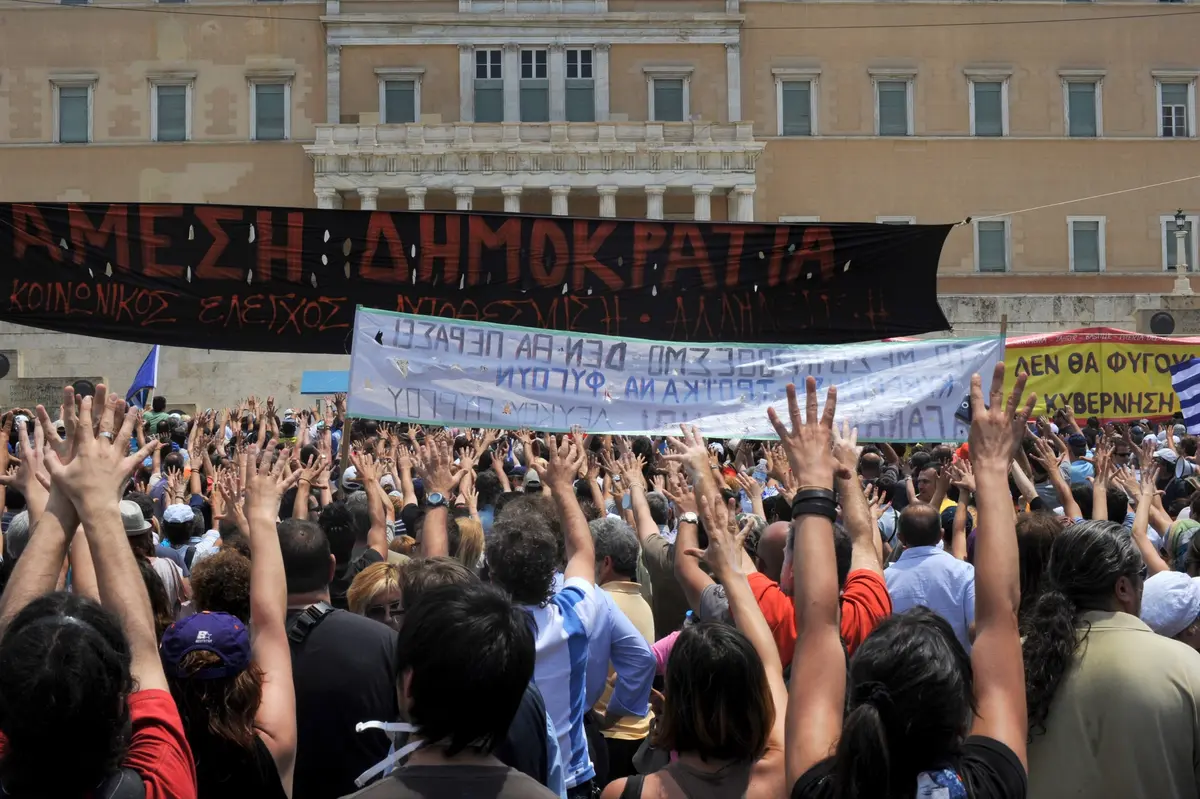
The US Capitol, Washington: Congress questioned Paulson and Bernanke and voted on the rescueIceland's three main banks, about 85 percent of its banking system, collapse within less than a week and the krona falls sharply; from October 11 Icelanders protest every Saturday in front of their parliament in Reykjavík.
Austurvöllur square, Reykjavík, in front of Iceland's parliament: the weekly protests after the banks fellThe House passes an amended Emergency Economic Stabilization Act, which creates the $700 billion Troubled Asset Relief Program, and President Bush signs it the same day.
The White House, WashingtonIn London bank shares tumble; 'Banks furious as shares tumble', read the Evening Standard's news-stand bills.
Six central banks, among them the Fed, the European Central Bank and the Bank of England, cut interest rates together in a joint move; the Fed's rate falls to 1.5 percent.
The Federal Reserve Board, Eccles Building, WashingtonPaulson summons the heads of nine of the largest banks to Washington and tells them the Treasury will buy $125 billion of their shares, half of a new $250 billion programme; all nine accept.
The US Treasury, Washington: Henry Paulson's department, which ran the $700 billion rescue fundAn unknown programmer who calls himself Satoshi Nakamoto posts 'Bitcoin: A Peer-to-Peer Electronic Cash System' to a cryptography mailing list: a design for online money sent directly between people, with no bank in the middle.
The leaders of the G20 major economies hold their first summit, at the National Building Museum in Washington, and promise joint action to restore growth and reform financial regulation.
National Building Museum, Washington: the first G20 summit, November 15, 2008The Fed cuts its target rate to a range of 0 to 0.25 percent, as low as it can go, and says it will buy large quantities of mortgage-backed securities to support the housing market.
The Federal Reserve Board, Eccles Building, Washington- 2009
In Denver, President Obama signs the American Recovery and Reinvestment Act, a $787 billion programme of spending and tax cuts.
Stock markets touch bottom: the S&P 500 index has lost 57 percent since its peak of October 2007.
The Fed decides to buy up to $750 billion more of mortgage securities and $300 billion of long-term Treasury bonds; its purchases in this first round of 'quantitative easing' reach about $1.75 trillion.
The Federal Reserve Board, Eccles Building, WashingtonOn the eve of the summit, protesters against the banks and their rescue gather in the City of London around the Bank of England.
The Bank of England, City of London: protests on the eve of the G20 summit, April 1, 2009At the G20 summit in London the leaders agree $1.1 trillion of extra support for the world economy, trebling the IMF's resources to $750 billion.
ExCeL London: the G20 summit of April 2, 2009American regulators publish the results of 'stress tests' of the 19 largest banks: how much capital each would need if the downturn proved worse than expected.
The Federal Reserve Board, Eccles Building, WashingtonThe American recession ends: June 2009 is the trough, the NBER rules in 2010, after 18 months, the longest recession since the Second World War. Over the year the world economy shrinks by 1.3 percent.