John Locke's Two Treatises of Government
“Locke's anonymous book of 1689: people are born free and equal, government exists by their consent to protect their lives, liberties and property, and a ruler who breaks that trust may be replaced.”
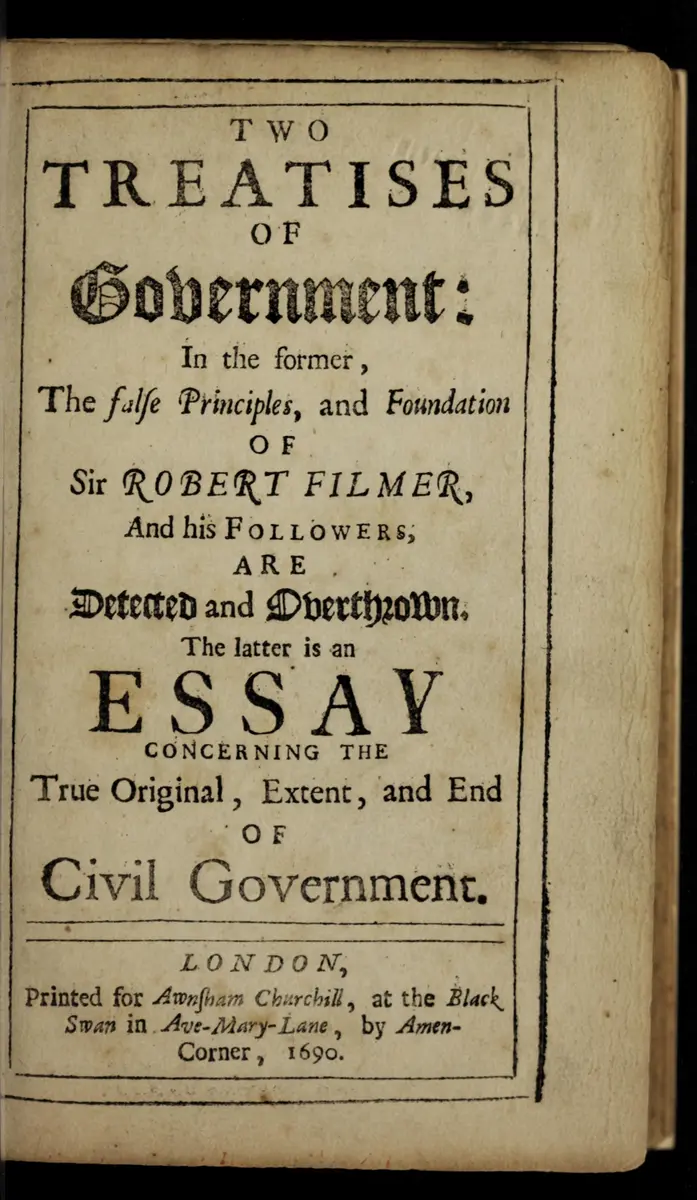
Two Treatises of Government is John Locke's case for government by consent. It went on sale in London late in 1689, from Awnsham Churchill's shop at the sign of the Black Swan in Ave Maria Lane, with no author's name and the year 1690 on its title page. The first treatise takes apart Sir Robert Filmer's Patriarcha, which said that kings inherit absolute power from Adam, the first father, so that every subject is born unfree. The second gives Locke's own answer. Before there is any government, people live in a 'state of nature', free and equal under a law of nature that forbids anyone to harm another's life, health, liberty or possessions. Each person owns himself, and by mixing his labour with land or its fruits he makes them his property. People agree to form a society and let its majority set up a government, to protect what Locke calls their 'lives, liberties and estates'. Rulers hold their power on trust: a government that takes people's property without their consent, or tries to make them slaves, has broken that trust, and the people may resist it and set up another. Who decides when that has happened? 'The people shall be judge.'
Locke wrote most of it ten years earlier, in a far more dangerous time. An Oxford scholar and physician, he had lived since 1667 in the household of Anthony Ashley Cooper, later Earl of Shaftesbury, who became the leader of the Whig opposition. From 1679 Shaftesbury led the campaign to bar King Charles II's Catholic brother James from the throne, and supporters of the Crown brought out Filmer's Patriarcha, written decades before and printed for the first time in 1680. By the reconstruction of the historian Peter Laslett, Locke drafted the Second Treatise in the winter of 1679-80, added the First early in 1680 and went on revising both until 1683; others, following Richard Ashcraft, date it to 1680-82 and read it as a call to armed resistance. The Exclusion Bill failed. Shaftesbury was arrested, fled abroad and died in Amsterdam in January 1683, and after the Rye House Plot against the King and his brother came to light that summer, Lord Russell and Algernon Sidney were executed, Sidney partly on the evidence of his unpublished papers defending the right to resist. In September 1683 Locke slipped away to Holland.
He stayed in exile for more than five years: in Amsterdam, where he lived for a time under a false name while England tried to have him handed over, and then in Rotterdam, in the circle of the English Quaker merchant Benjamin Furly. There he finished his Essay Concerning Human Understanding and wrote a letter in Latin on religious toleration. When William of Orange landed in England in November 1688 and James II fled, Locke crossed in February 1689 with the party escorting William's wife, Princess Mary, and on 13 February Parliament offered the two of them the crown together with a Declaration of Rights. Over the spring and summer Locke revised his old manuscript and wrote a preface saying that the book should establish the throne of 'our great restorer, our present King William' and his title 'in the consent of the people'; the middle part, more than half of the whole, had been lost. The official licenser passed it for printing on 23 August. It came out the same autumn as his Letter Concerning Toleration, also anonymous and from the same bookseller, and just before the Essay, the only one of the three to bear his name. Locke never admitted in public that he had written the Treatises. He did so only in a codicil to his will in 1704, the year he died, listing it among the anonymous books he gave to the Bodleian Library in Oxford.
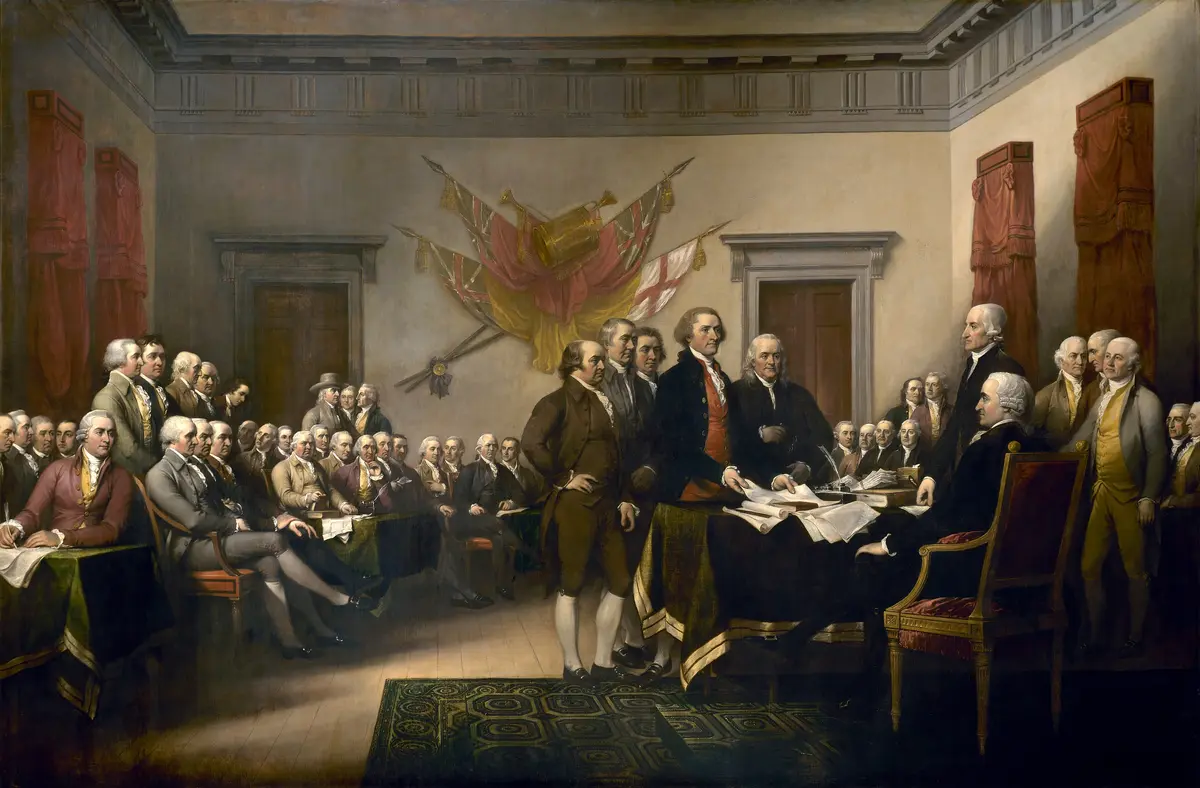
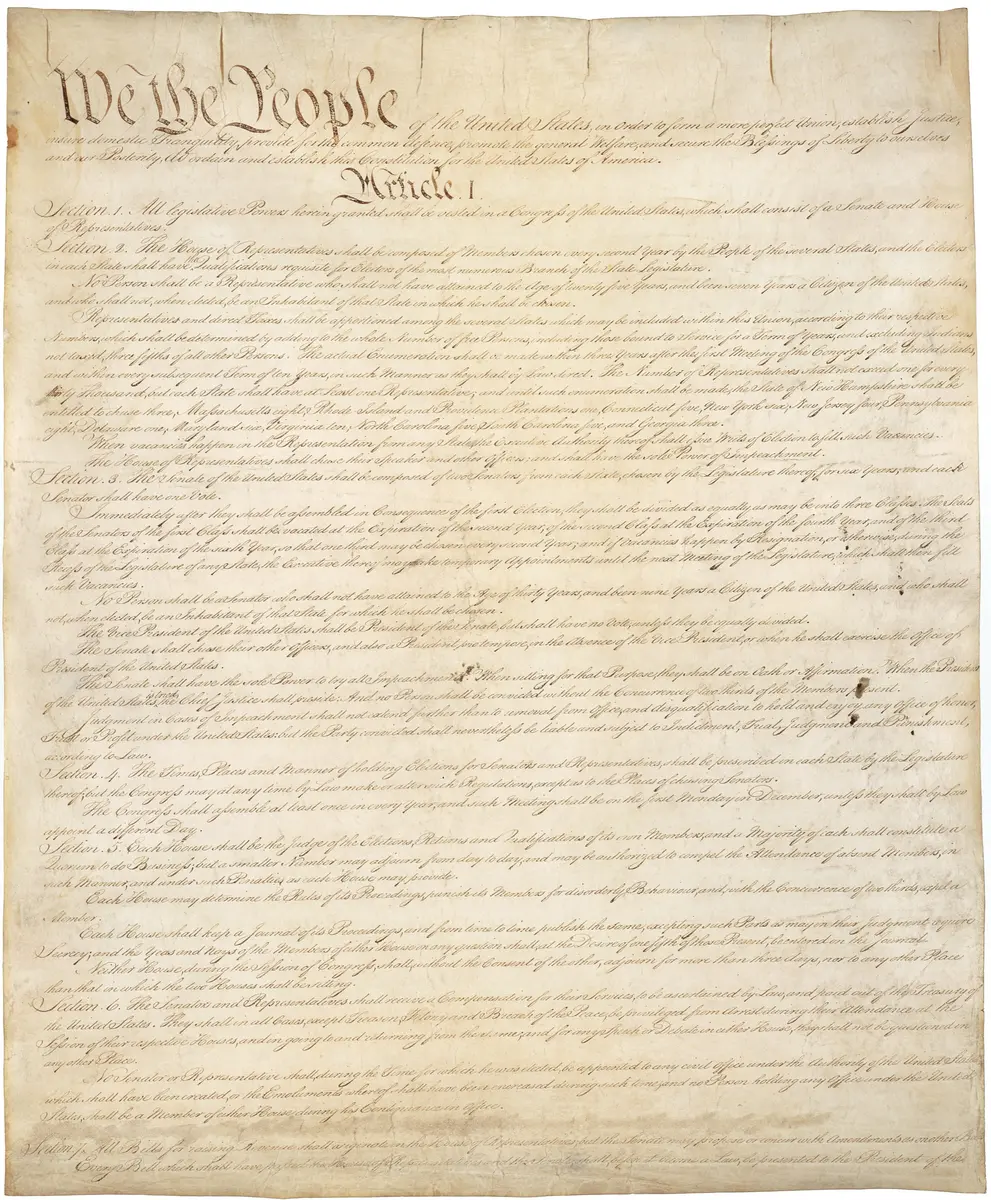
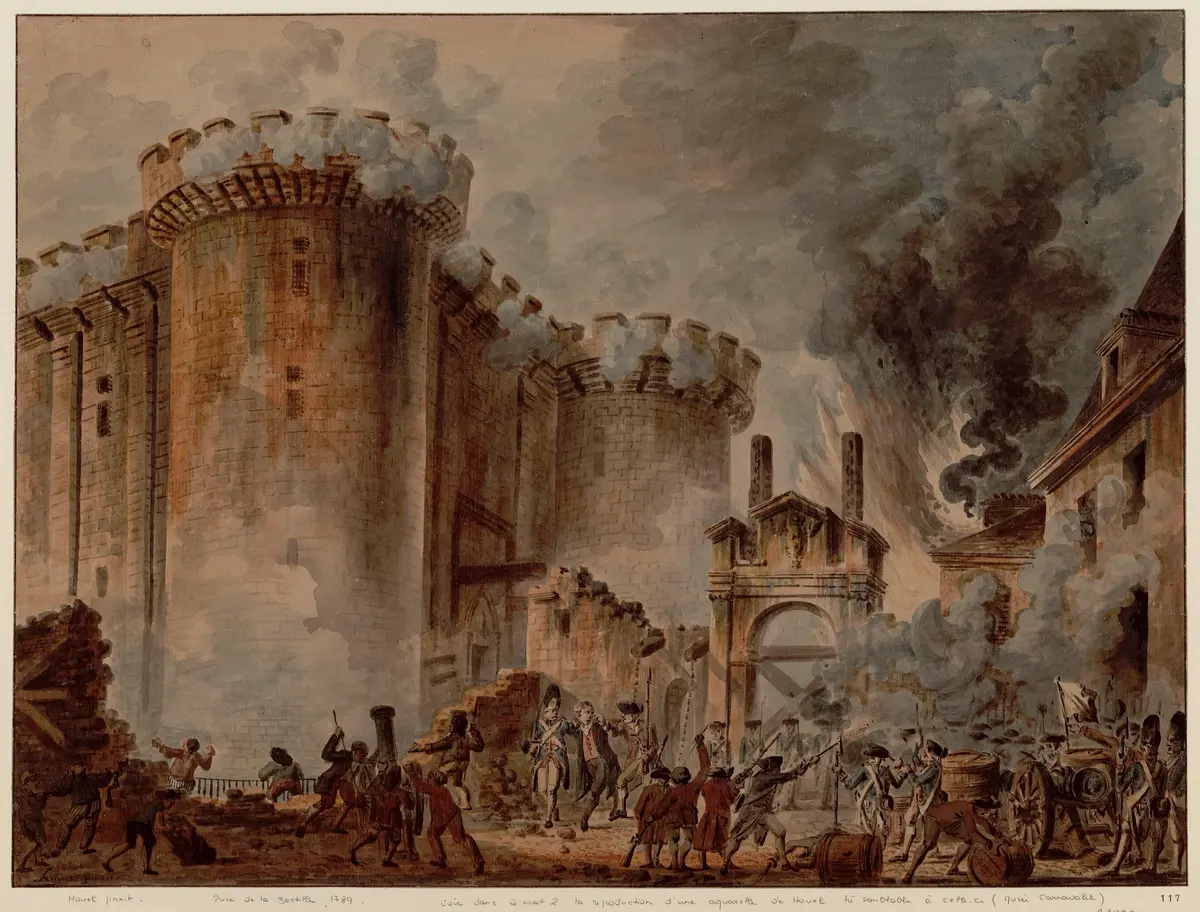
The revolution itself spoke more cautiously than Locke: Parliament called James's flight an abdication, not a broken contract. But by barring Catholics from the throne and binding the new rulers to a Bill of Rights, the settlement made every king's power conditional, which Britannica calls a triumph for the Whig views Locke had argued for, and over the next century his book became the classic statement of them. Its strongest echo came in America. The Declaration of Independence of 1776 says that people have unalienable rights, that governments get 'their just powers from the consent of the governed', and that a people may alter or abolish a government that destroys those rights: Locke's argument, put into a few lines by Thomas Jefferson. Britannica traces to Locke the broad outline of the United States Constitution as well, and the French Declaration of the Rights of Man and of the Citizen of 1789.
Natural rights, government by consent, limited power divided between a legislature and an executive: Locke's vocabulary is now the everyday language of constitutions and of human rights, so familiar that, as the Yale political philosopher Steven Smith puts it, readers feel he is only saying what they always thought. The book is also argued over. Scholars point out that its theory of property gave Native Americans a right to the game they caught but not to the land they hunted on, which Locke treated as empty and open to whoever would farm it, and some tie the chapter on property to Locke's work for the proprietors of the Carolina colony, whose constitutions he helped to draft. Historians still disagree, too, about whether it was the defence of a revolution that had already happened or, as Laslett and Richard Ashcraft argued, a call for one that had not.
What happened
- 1679
Locke comes home from almost four years in France. Shaftesbury, back in office as Lord President of the Council, uses the panic over the 'Popish Plot' to lead the campaign to exclude the King's Catholic brother James from the throne.
- 1680
Filmer's Patriarcha, written decades earlier, is printed for the first time to defend the King's case; Locke buys a copy in January. By Laslett's reconstruction he has drafted the Second Treatise that winter and now adds the First, a reply to Filmer.
The House of Commons passes the Exclusion Bill; the House of Lords, under the King's pressure, throws it out.
- 1681
Shaftesbury rides with an armed following to the Parliament the King has called to Oxford; Charles dissolves it within a week and calls no other.
Shaftesbury is seized and sent to the Tower on a charge of treason. Locke, staying in Shaftesbury's London house, goes on revising the book through the summer; in November a London grand jury throws out the charge.
- 1682
After secret talk of an armed rising, Shaftesbury flees to Holland.
- 1683
Shaftesbury dies in exile in Amsterdam.
Amsterdam: where Shaftesbury died in January 1683, and where Locke lived, and in 1685 hid, in his first years of exileThe Rye House Plot to ambush the King and his brother is revealed, and Locke leaves for the West Country that week. Lord Russell and Algernon Sidney are later executed, Sidney partly on the evidence of his unpublished writing on the right to resist.
Closely watched by the government, Locke crosses to Holland.
- 1684
On the King's orders Christ Church takes away the Studentship Locke has held since 1658; his Oxford books go to his friend James Tyrrell.
Christ Church, Oxford: Locke's college from 1652, where he was a Student (fellow) until the King had him expelled in 1684 - 1685
Charles II dies in February and James becomes king; the Duke of Monmouth's rising, launched from Holland, is crushed. With the English government trying to have exiles handed over, Locke among them, he lives in Amsterdam under a false name, and writes a letter in Latin on toleration for his friend Philippus van Limborch.
Amsterdam: where Shaftesbury died in January 1683, and where Locke lived, and in 1685 hid, in his first years of exile - 1686
He settles in Rotterdam for three years, in the circle that meets at the house of the English Quaker merchant Benjamin Furly, and finishes his Essay Concerning Human Understanding.
Rotterdam: Locke's home from 1686 to 1689, in the circle of the Quaker merchant Benjamin Furly - 1688
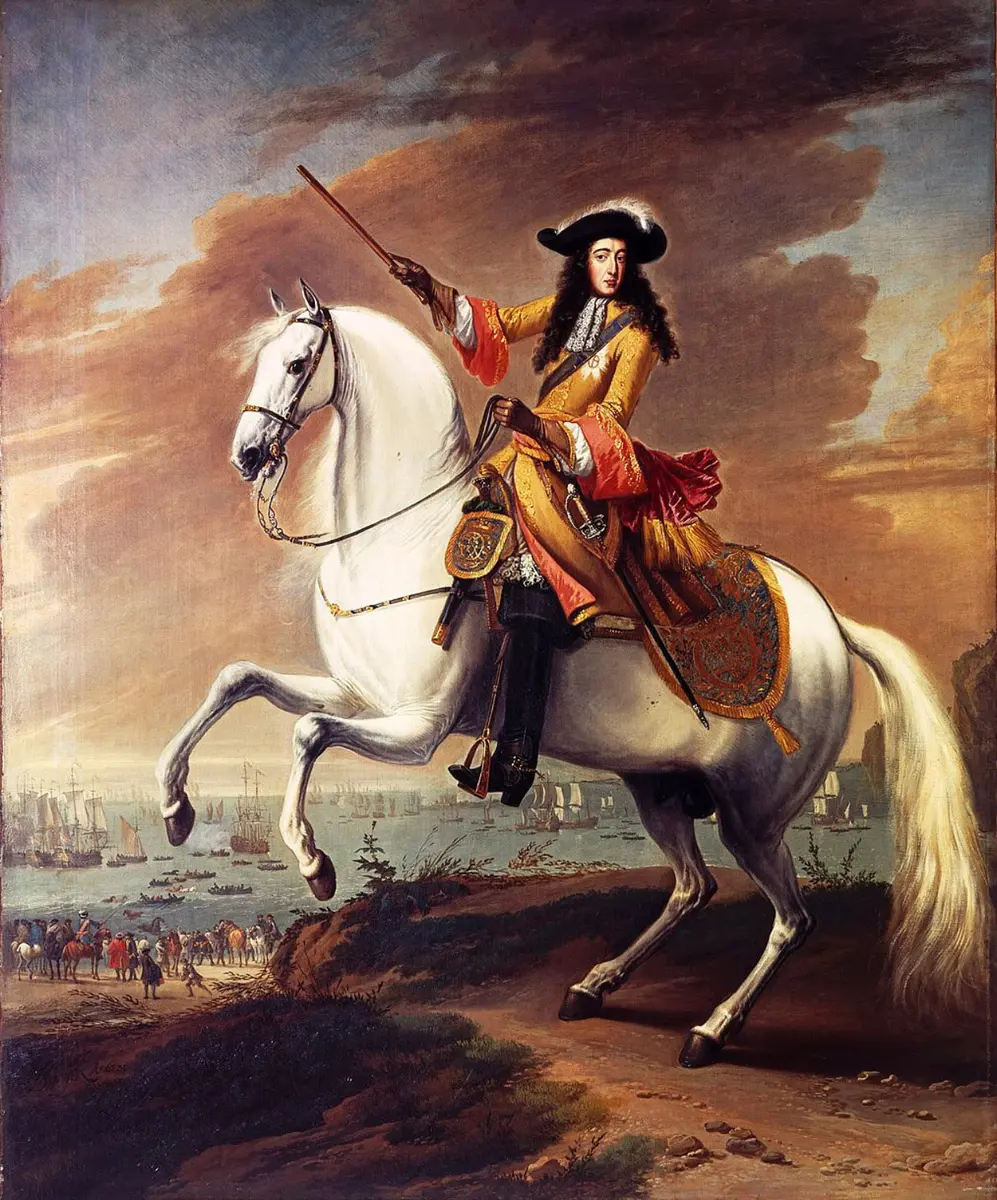
William of Orange lands at Brixham on Tor Bay with a Dutch army on 5 November; support for James melts away, and in December he flees to France.
Brixham on Tor Bay: where William of Orange landed with his army in November 1688- 1689
Locke crosses back in the party escorting Princess Mary; her yacht comes in at Gravesend on 12 February.
Gravesend: where Princess Mary's yacht came in on 12 February 1689, after a crossing on which Locke was in her partyOn 13 February the Lords and Commons present the Declaration of Rights to William and Mary, who accept the crown together.
The Banqueting House, Whitehall: where William and Mary were offered the crown with the Declaration of Rights on 13 February 1689After six months of revision, with a new Preface and some twenty-five new paragraphs, the Two Treatises is licensed for the press on 23 August.
The Letter Concerning Toleration, printed in Latin in Holland earlier in the year, is licensed on 3 October in William Popple's English translation and sold, like the Treatises, by Awnsham Churchill, with no author's name.
By the autumn the Two Treatises is on sale from Churchill's shop in Ave Maria Lane, anonymous and dated 1690, its Preface claiming it for King William's title 'in the consent of the people'.
Ave Maria Lane, by St Paul's: Awnsham Churchill's shop at the Black Swan, where the book was soldThe Essay Concerning Human Understanding appears, the only one of the three books to carry his name, and on 16 December the Bill of Rights, built on the Declaration of Rights, becomes law.