The French Revolution
“From the Bastille (July 14, 1789) to Napoleon's coup (November 9, 1799): the king overthrown and guillotined, the Rights of Man declared, the Terror, and 'left' and 'right' born from where the deputies sat.”
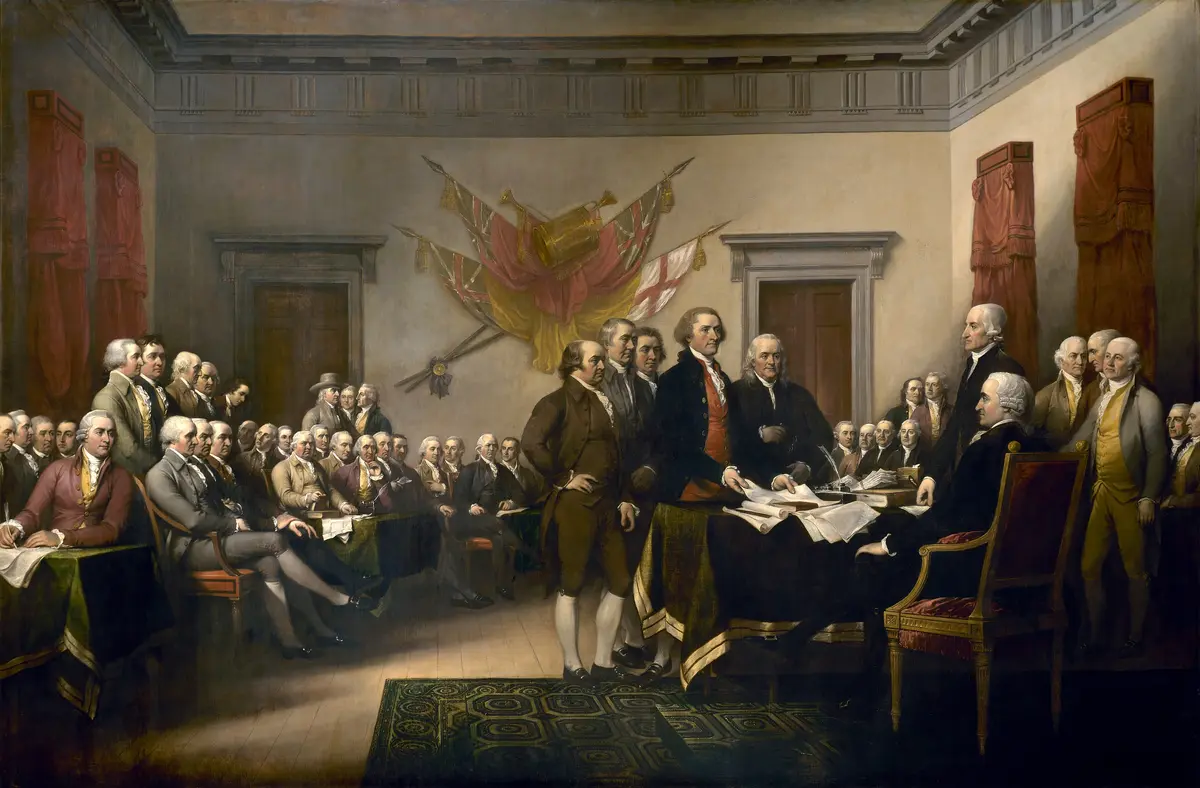
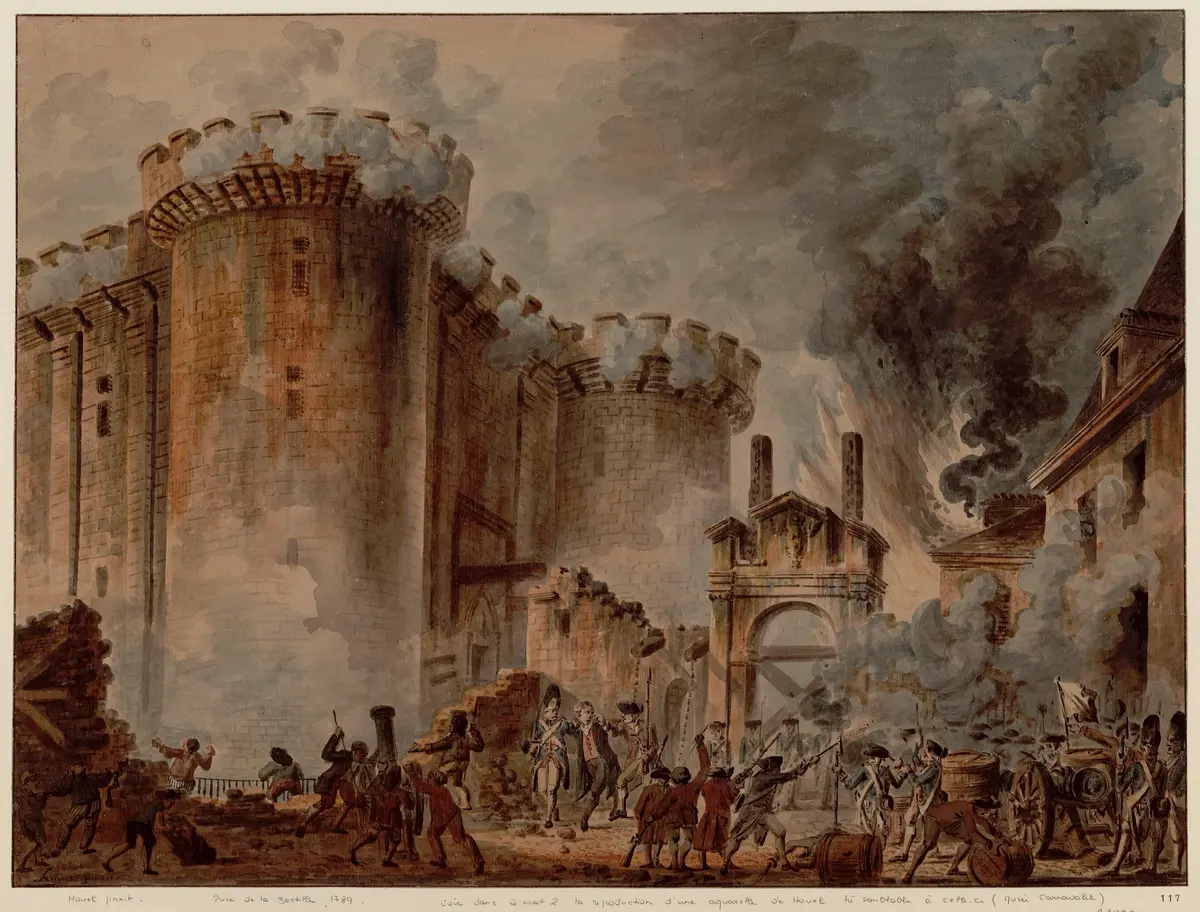
In 1789 the French monarchy was bankrupt, worn down by a century of wars and by the money it had spent helping the American rebels, and Louis XVI called the Estates-General, the old assembly of clergy, nobles and commoners that had not met since 1614, to Versailles on May 5. The 600 deputies of the Third Estate, the commoners, refused to be outvoted by the two privileged orders, declared themselves the National Assembly on June 17 and, locked out of their hall three days later, swore on an indoor tennis court not to separate until France had a constitution. When the king gathered troops around Paris and dismissed his popular finance minister Necker, the city rose: on July 14 a crowd stormed the Bastille, the royal fortress-prison at the eastern gate, which held only seven prisoners but stood for arbitrary power. Within six weeks the Assembly had abolished feudal dues and privileges in a single night and voted the Declaration of the Rights of Man and of the Citizen, whose first article says that men are born and remain free and equal in rights. In October the market women of Paris marched on Versailles and brought the king back to the Tuileries, where the Revolution could keep an eye on him.
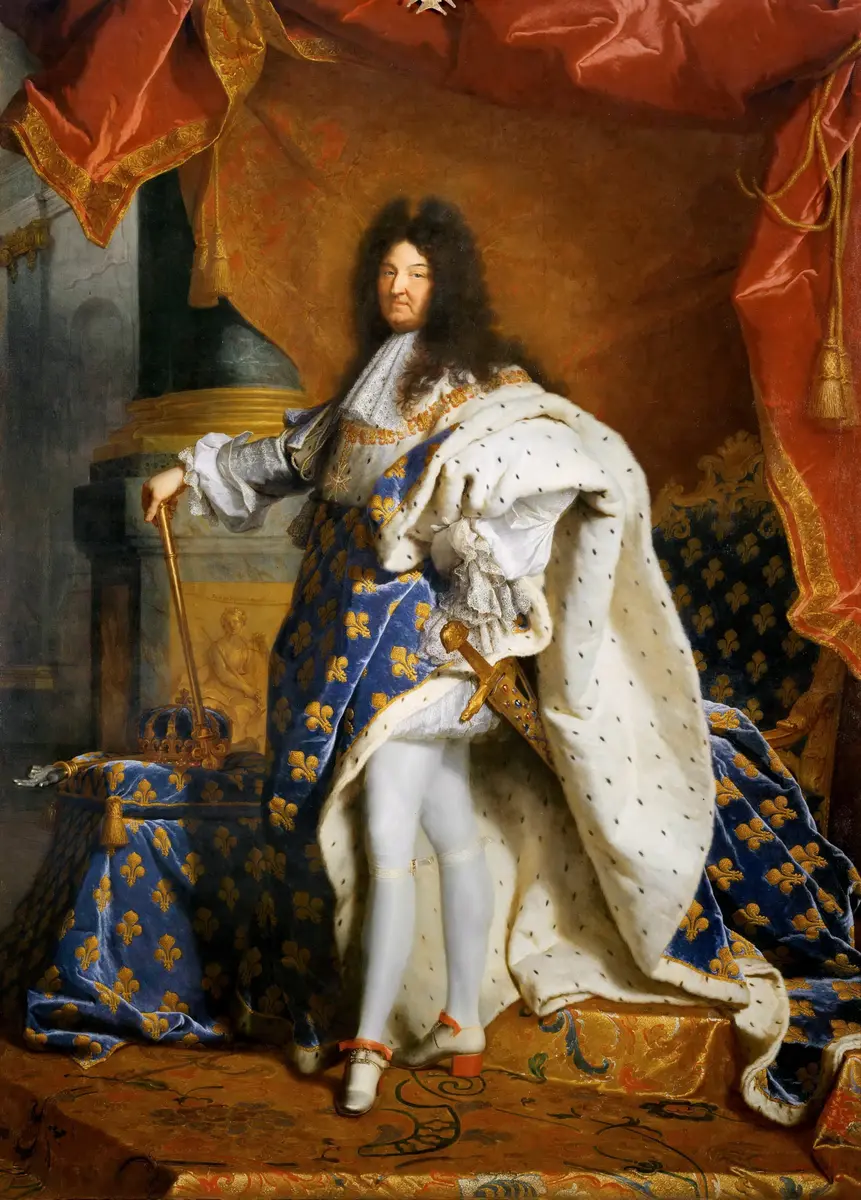
For two years the Assembly rebuilt France as a constitutional monarchy: the provinces became departments, the Church's lands were sold to pay the debt, priests became state employees, and in the hall the defenders of king and Church sat to the president's right and the reformers to his left, which is where politics got its 'right' and 'left'. The king never accepted it. In June 1791 he fled with his family towards the frontier and was caught at Varennes; in April 1792 France went to war with Austria, and defeat and the invading Prussians' threat to destroy Paris turned the capital against the throne. On August 10, 1792 the crowd and the National Guard stormed the Tuileries, in early September prisoners were massacred in the jails, on September 21 the newly elected Convention abolished the monarchy and proclaimed the Republic, and on January 21, 1793, by a majority of one vote, Louis XVI was guillotined on the Place de la Révolution, now the Place de la Concorde.
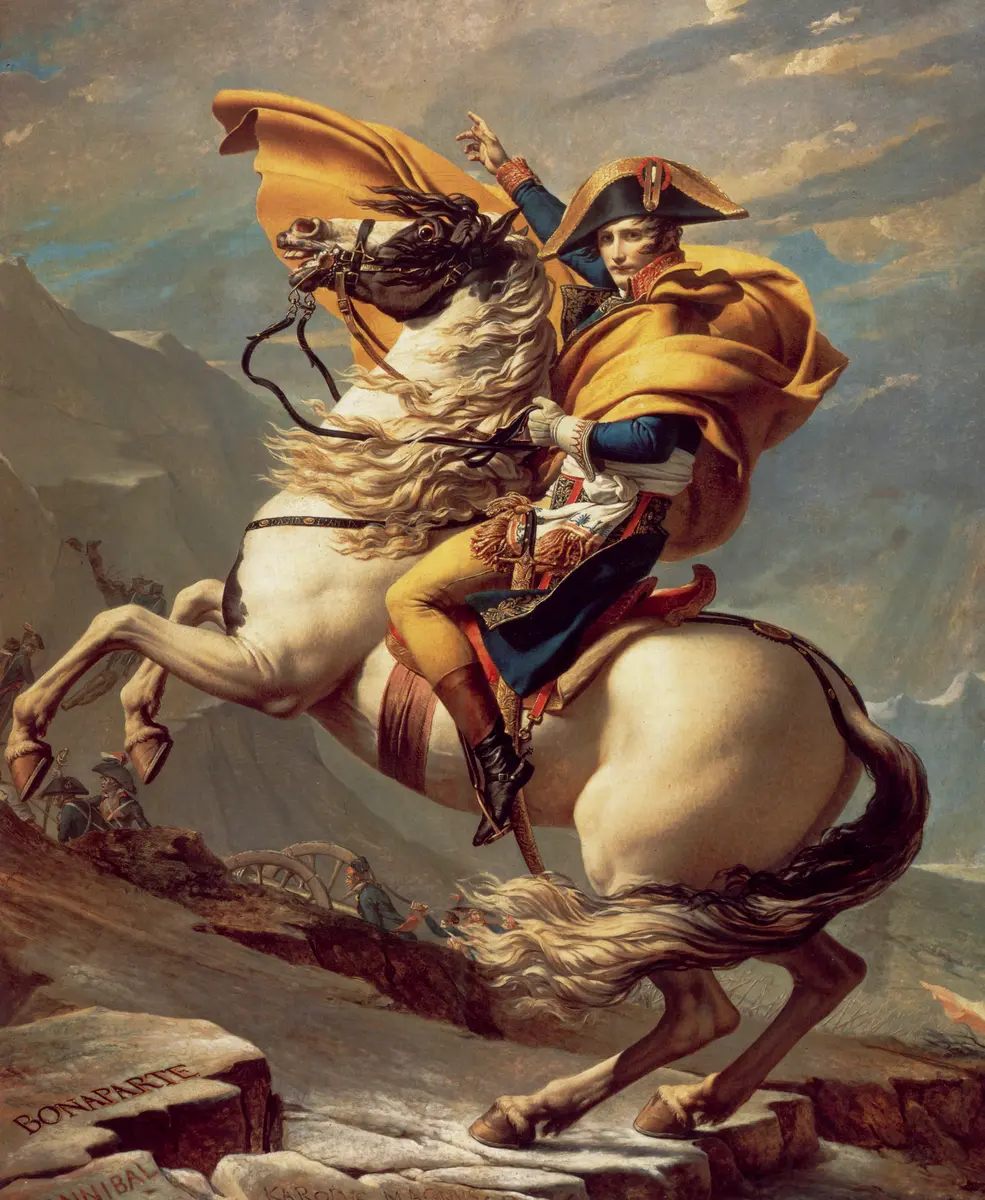
War on every frontier, a royalist rising in the Vendée and the price of bread then brought the Terror. From September 1793 the Committee of Public Safety, with Maximilien Robespierre as its voice, governed by emergency decree; the Revolutionary Tribunal sent some 17,000 people to the guillotine, among them Marie Antoinette, the Girondin leaders and finally Danton, and tens of thousands more died in prison or in the civil war, while conscription raised the armies that turned the war around. On July 27, 1794, 9 Thermidor in the Republic's new calendar, the Convention turned on Robespierre; he was seized at the Hôtel de Ville that night and guillotined the next day with twenty-one followers, and the killing stopped. A five-man Directory ruled from November 1795, kept in office by the army, until its most successful general, Napoleon Bonaparte, overthrew it at Saint-Cloud on November 9 and 10, 1799 and made himself First Consul. Most historians end the Revolution there.
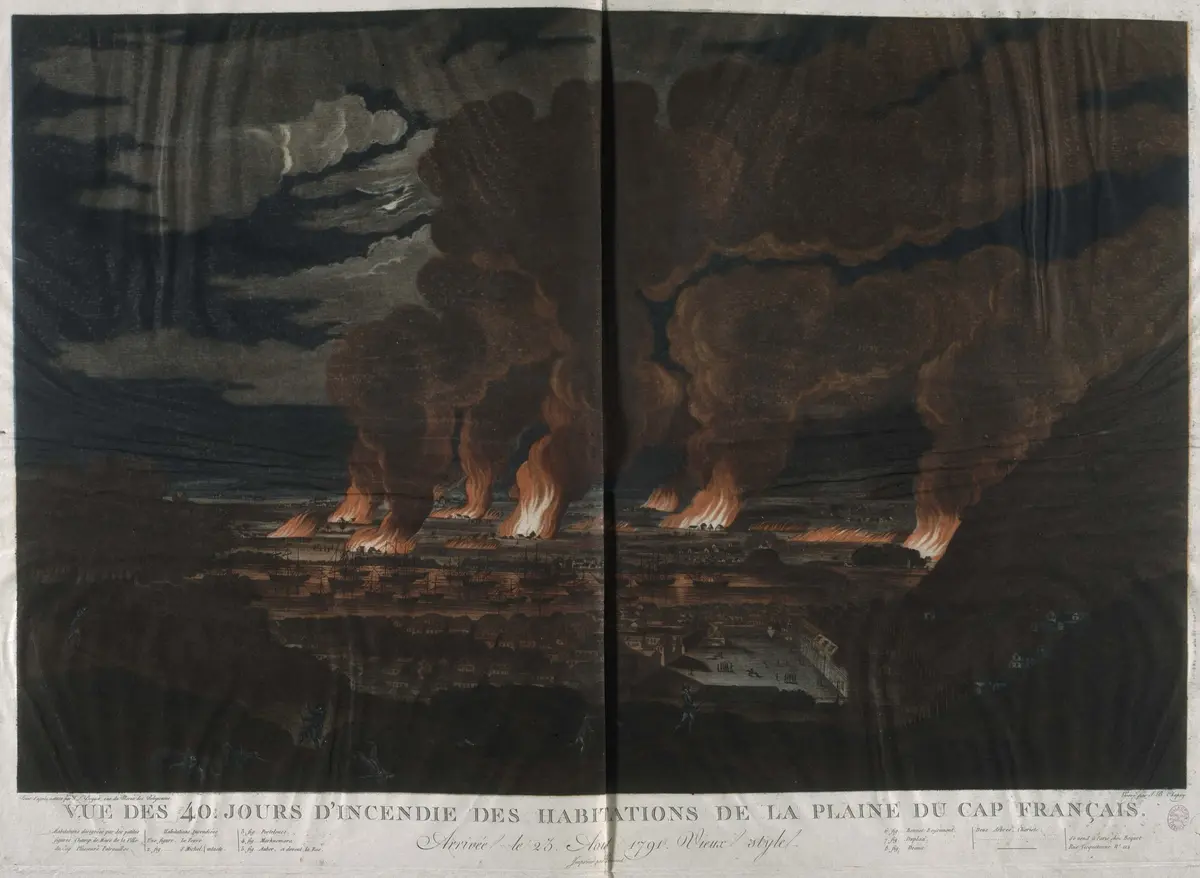
In ten years the Revolution destroyed the order of king, nobles and Church in the most populous country of Europe, 26 million people, and replaced it with a nation of citizens equal before the law. Its Declaration became the preamble of France's constitutions and the ancestor of the Universal Declaration of Human Rights of 1948; its mass armies carried the idea of the nation across Europe and made Napoleon's empire; its vocabulary, left and right, terror, the guillotine, the Jacobin, is still ours. It divided the young United States between Jefferson's admirers and Hamilton's doubters, set off the slave revolution in Haiti, and gave the revolutionaries of 1830, 1848 and 1917 their script, down to the fear of a Thermidor.
What happened
- 1789
The Estates-General, not called since 1614, opens at Versailles before Louis XVI: 300 deputies of the clergy, 300 of the nobility and 600 of the Third Estate, the commoners, who at once quarrel over whether to vote by order or by head.
The Palace of Versailles: where the Estates-General opened on May 5, 1789 and the Assembly sat until the crowd brought the king to Paris in OctoberThe deputies of the Third Estate declare themselves the National Assembly, claiming to speak for the nation; within weeks the defenders of the king and the Church sit to the president's right and the reformers to his left, and politics has its two words.
The Palace of Versailles: where the Estates-General opened on May 5, 1789 and the Assembly sat until the crowd brought the king to Paris in OctoberLocked out of their hall, the deputies meet in the royal tennis court and swear, 576 of 577, never to separate until France has a constitution; a week later the king gives way and orders the clergy and nobles to join them.
The Jeu de Paume, Versailles: the indoor tennis court where the Third Estate swore on June 20, 1789 not to separate before France had a constitutionWith royal troops gathering and Necker dismissed, Parisians take muskets from the Invalides and storm the Bastille for its powder; after four hours and some hundred dead the governor Launay surrenders and is killed; the fortress held seven prisoners, and its demolition begins within days.
The Bastille: the royal fortress-prison stormed on July 14, 1789 and pulled down within months; the square keeps its nameIn one night sitting, as peasants burn manor houses across France, the Assembly abolishes feudal dues, serfdom, tithes and the privileges of nobles, towns and provinces: the end of the old order on paper.
The Palace of Versailles: where the Estates-General opened on May 5, 1789 and the Assembly sat until the crowd brought the king to Paris in OctoberThe Assembly finishes the Declaration of the Rights of Man and of the Citizen, seventeen articles voted since August 20: men are born and remain free and equal in rights, sovereignty belongs to the nation, the law is the expression of the general will.
The Palace of Versailles: where the Estates-General opened on May 5, 1789 and the Assembly sat until the crowd brought the king to Paris in OctoberMarket women rioting over the price of bread gather at the Hôtel de Ville, take weapons and march on Versailles, thousands strong, with Lafayette's National Guard behind them; the palace is invaded at dawn on the 6th and that afternoon the royal family is escorted to the Tuileries in Paris, where it will stay under the crowd's eye.
The Palace of Versailles: where the Estates-General opened on May 5, 1789 and the Assembly sat until the crowd brought the king to Paris in October- 1790
On the first anniversary of the Bastille, National Guards from every department, the deputies and the king swear loyalty to the nation, the law and the king on the Champ de Mars, after a mass said by Talleyrand: the Revolution's day of unity, which many believe is also its end.
The Champ de Mars: the field where the Fête de la Fédération was held on July 14, 1790- 1791
On the night of June 20–21 the royal family slips out of the Tuileries in disguise for the fortress of Montmédy near the frontier; recognised on the road, the king is stopped at Varennes late on the 21st and brought back to Paris through silent crowds, his credit as a constitutional monarch gone.
Varennes-en-Argonne: where the royal family's flight to the frontier was stopped on the night of June 21–22, 1791The Assembly adopts France's first written constitution, with the Declaration as its preamble: a king who can delay laws but not make them, and an elected Legislative Assembly chosen by taxpaying 'active citizens'.
The Tuileries: the palace, burned in 1871, where the king lived under watch from October 1789 and which the crowd stormed on August 10, 1792; the Assembly and the Convention sat beside it- 1792
France declares war on Austria; the Girondins expect the Revolution to spread and the king hopes for defeat. The French armies are beaten in the first weeks, and the war will last, with one short break, for twenty-three years.
After the Prussian commander threatens to destroy Paris if the royal family is harmed, the sections of Paris and the fédérés from Marseille storm the Tuileries; the Swiss Guards are cut down, hundreds die on each side, and the king, who had taken refuge in the Assembly, is suspended and locked in the Temple.
The Tuileries: the palace, burned in 1871, where the king lived under watch from October 1789 and which the crowd stormed on August 10, 1792; the Assembly and the Convention sat beside itWith the Prussians at Verdun and Danton, now minister of justice, calling for 'audacity', armed Parisians break into the prisons and over five days kill between 1,100 and 1,600 prisoners, most of them common criminals, after mock trials at the gates: the September massacres.
The Conciergerie: the Revolutionary Tribunal's prison on the Île de la Cité, Marie Antoinette's last cellThe newly elected National Convention, meeting the day after the volunteers turned back the Prussians at Valmy, abolishes the monarchy; the Republic dates its Year I from the next day, September 22.
The Tuileries: the palace, burned in 1871, where the king lived under watch from October 1789 and which the crowd stormed on August 10, 1792; the Assembly and the Convention sat beside it- 1793
- 10:22 a.m.
Tried by the Convention for treason and condemned to death by a majority of one, Louis XVI is guillotined on the Place de la Révolution at 10:22 in the morning; the executioner's assistant shows the head to the crowd, and within weeks Britain and Spain are at war with France.
Place de la Révolution, today's Place de la Concorde: the guillotine's square, where Louis XVI, Marie Antoinette, Danton and Robespierre died Charlotte Corday, a young royalist from Normandy, stabs Jean-Paul Marat, the journalist of 'The Friend of the People', in his medicinal bath; David paints him as the Republic's martyr and the Convention makes a cult of him.
The Convention makes terror 'the order of the day': the Committee of Public Safety, created in April and joined by Robespierre in July, rules by decree, the Law of Suspects fills the prisons, and the Revolutionary Tribunal begins the year of the guillotine.
Marie Antoinette, held alone in the Conciergerie since August, is tried by the Revolutionary Tribunal on October 14 and guillotined two days later in an open cart on the Place de la Révolution.
The Conciergerie: the Revolutionary Tribunal's prison on the Île de la Cité, Marie Antoinette's last cell- 1794
The Terror turns on its own: Danton, who wanted it eased, is guillotined with Camille Desmoulins and their friends after a trial in which they were not allowed to speak.
Place de la Révolution, today's Place de la Concorde: the guillotine's square, where Louis XVI, Marie Antoinette, Danton and Robespierre died9 Thermidor: the Convention shouts Robespierre down and orders his arrest; he and his friends hold out at the Hôtel de Ville until the Convention's troops take it about two in the morning, Robespierre with a broken jaw, and on July 28 he is guillotined with twenty-one followers. The Terror is over.
The Hôtel de Ville: the city hall where the market women gathered on October 5, 1789 and where Robespierre was seized on the night of 9–10 Thermidor, July 27–28, 1794- 1795
Under the constitution of Year III the five Directors take office with two elected councils: a weak republic of property-owners, bankrupt, at war on every front, that survives its royalist and Jacobin risings only with the army's help.
- 1799
18 Brumaire: on the pretext of a Jacobin plot the councils are moved to Saint-Cloud and Bonaparte is given the troops; the next day the Five Hundred howl him down, his grenadiers clear the hall, and by evening the Directory is gone and three consuls rule with Bonaparte first among them. Most historians end the Revolution here.
Saint-Cloud: the château, burned in 1870, whose orangery saw Bonaparte's coup on November 10, 1799