Railways adopt standard time
“On Sunday 18 November 1883 North America's railways, acting without any law, moved to standard time zones an hour apart; Congress did not make them law until 1918.”
Until 1883 the United States had no one time. Each town set its clocks by the sun, and a railway ran on whatever time its managers chose, usually the local time of one big city. On the eve of the change the clocks of just eight cities (New York, Chicago, Philadelphia, Columbus, Boston, Washington, Jefferson City and Atlanta) ran 208 of the 316 North American railways, and the lines' times met or overlapped at about 300 points. William F. Allen, who counted them in 1883, found forty-nine railway times in use; Cleveland Abbe had counted seventy-five in 1879. On Sunday 18 November 1883, at noon by the new standard, the railways of the United States and Canada moved to a handful of zones whose clocks differ by whole hours, set from the 75th, 90th, 105th and 120th meridians west of Greenwich. No law ordered it. The managers simply agreed, and the towns followed.
The idea did not start with the railways. Charles F. Dowd, who ran a girls' school in Saratoga Springs, put four zones to railway superintendents in 1869 and 1870, and the superintendents ignored him. Samuel Langley's Allegheny Observatory began selling telegraphed time to the Pennsylvania Railroad in 1869. The push that worked came from scientists who needed simultaneous observations: Cleveland Abbe of the Signal Service, who could not use reports of the aurora of 7 April 1874 because the observers' clocks disagreed, wrote to the American Metrological Society in 1875 and had a plan approved on 20 May 1879, the same year Sandford Fleming read his world-time paper in Toronto. The historian Ian Bartky argues that the railways did not need one time to run safely, since each line could use its own; it was travellers' confusion and the scientists that moved things. What moved the managers was fear. Connecticut had made New York time its legal time in 1881, and a bill for Washington time, brought in at the Naval Observatory's request in December 1881, died on the floor of Congress in 1882, so William F. Allen, secretary of the managers' General Time Convention and editor of the Travelers' Official Guide, urged them to settle it among themselves.
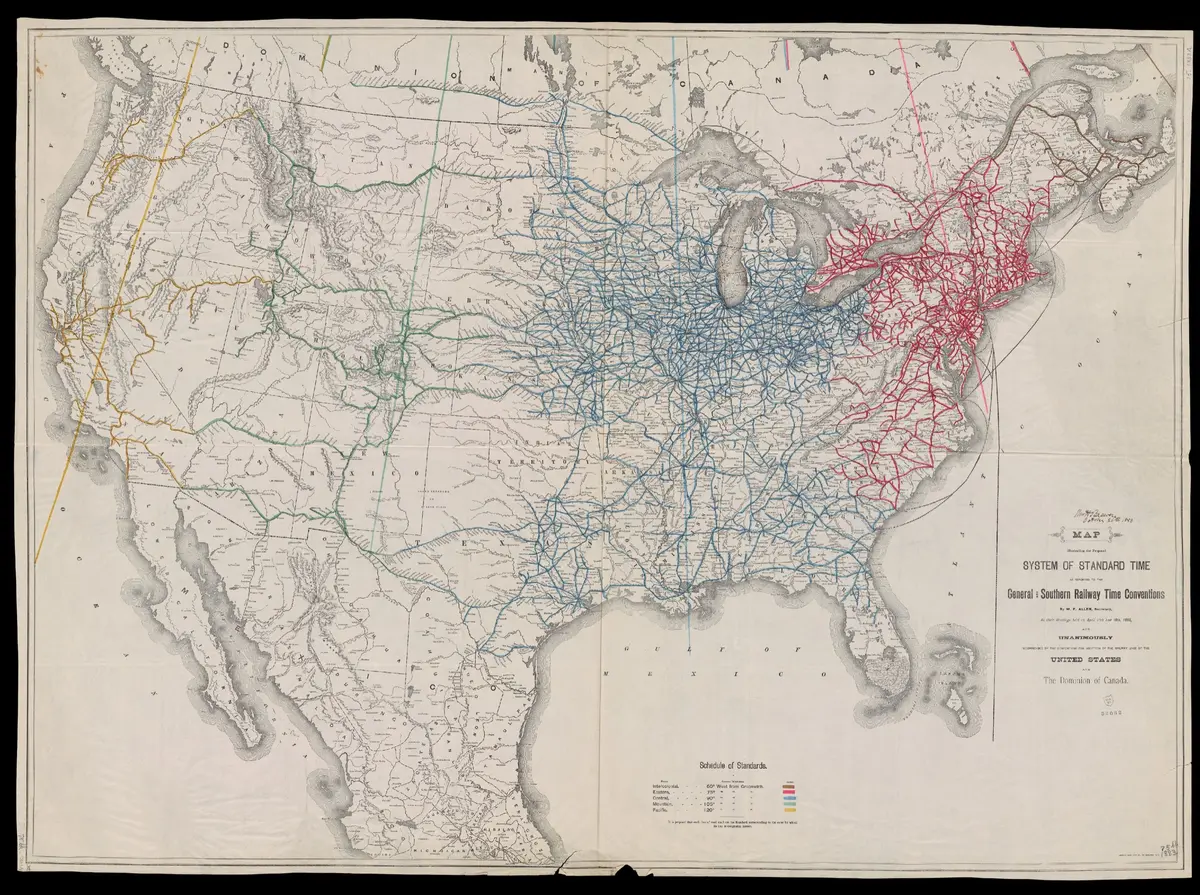
Allen's plan was practical. He grouped the lines by the cities whose times they already used, found that the middle meridians of the eastern and midwestern groups lay almost exactly an hour apart, and put the zone edges where a line ended or a division ended, so no timetable had to be rebuilt. He called it a curious fact that the eastern middle fell within six seconds of the 75th meridian west of Greenwich, which suited the scientists who wanted a Greenwich base. The General Time Convention adopted his report at St. Louis on 11 April 1883, the Southern Railway Time Convention endorsed it a week later, and in late August he sent his maps and a circular to about 570 railways. At the Grand Pacific Hotel in Chicago on 11 October the convention heard that roads with 70,041 miles of track favoured the change, and fixed noon on Sunday 18 November.
The changeover was a piece of stage management. Employees set their watches to the old time on Saturday; some lines planned to stop their trains through the extra minutes (the Louisville & Nashville stopped for eighteen). New York turned its clocks back about four minutes, Boston sixteen, and Washington forward eight, while Philadelphia, New Orleans and Denver changed nothing. In New York, Allen stood on the roof of the Western Union building and watched the time ball fall on a signal from the Naval Observatory as Trinity's bells rang noon, the old noon having been struck minutes before. In the eastern part of each zone the clocks therefore showed noon twice, which is why the day is called the day of two noons. No train accidents were reported. By April 1884 Allen counted 78 of the 100 largest cities on the new time.
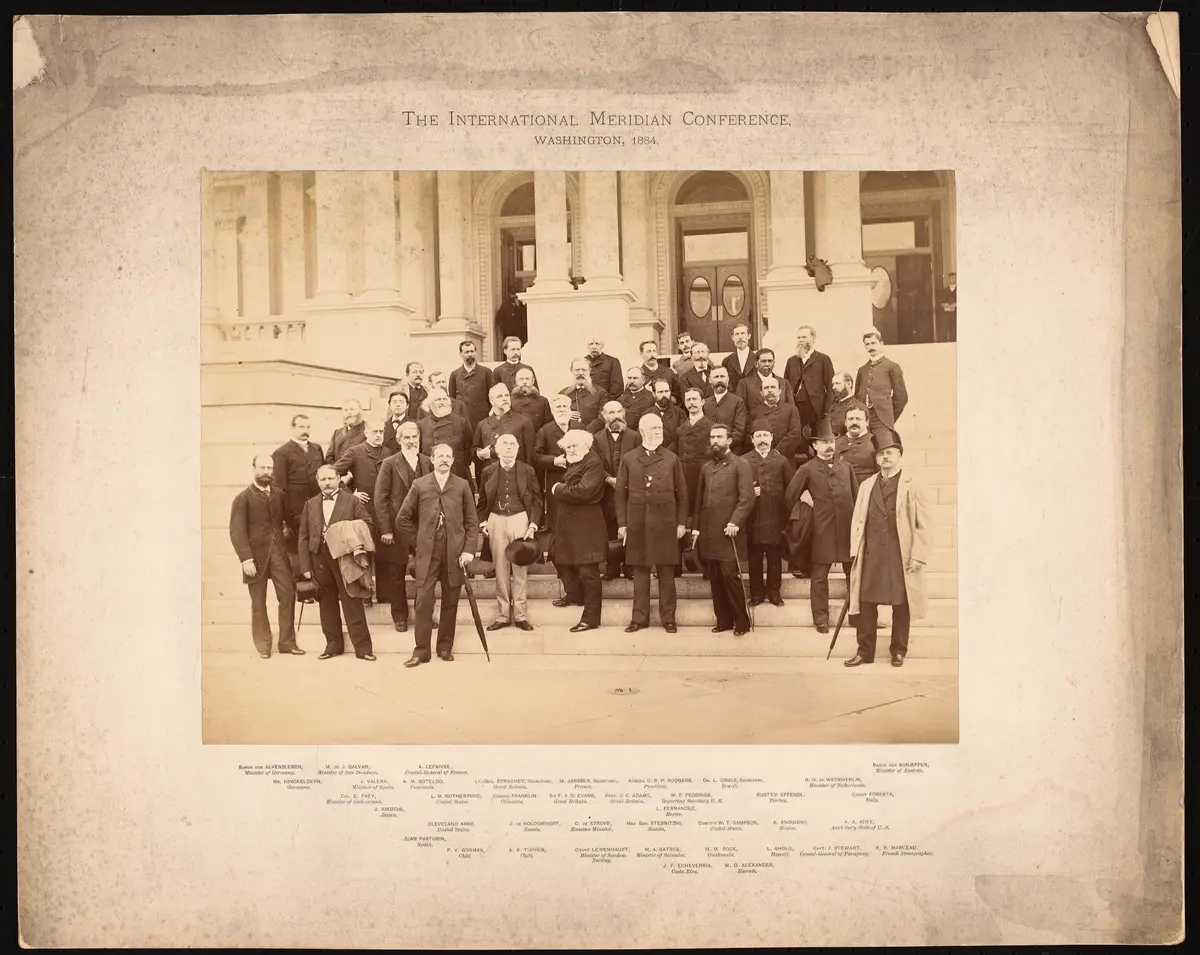
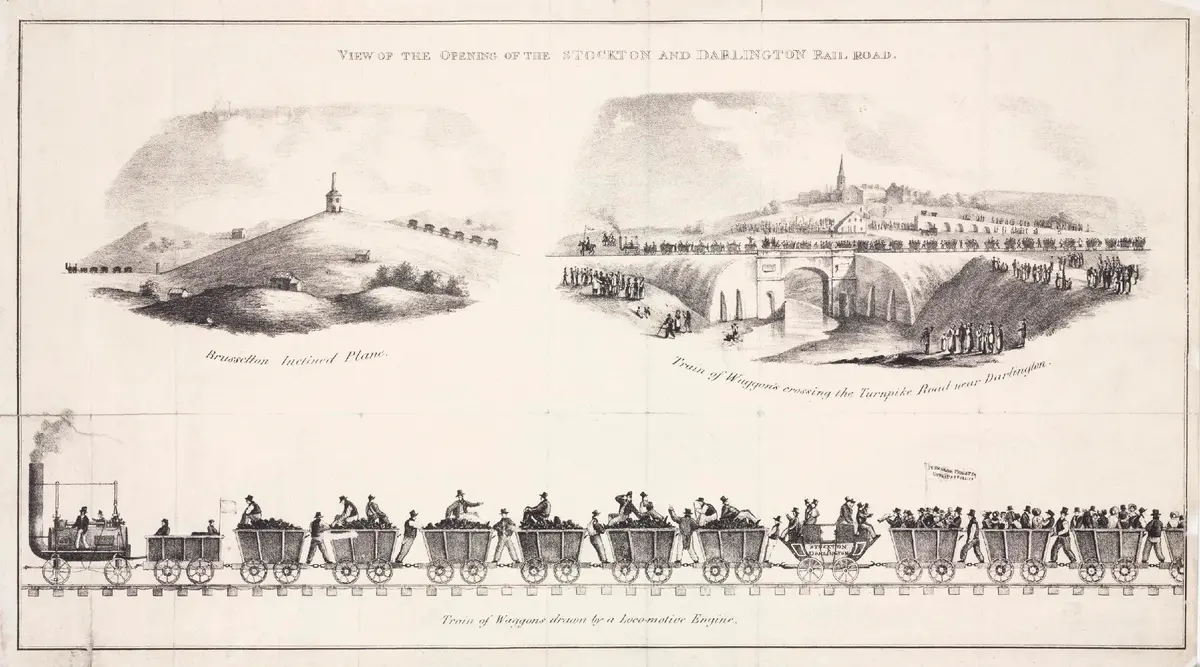
Resistance came from places near a zone's edge, where sun time and the new time differed most: Savannah, Bangor and Bath, cities in Ohio, Detroit and Port Huron. A Georgia court held in 1889 that only sun time was lawful there, and Pittsburgh's railways did not join until 1 January 1887. Washington adopted standard time by Act of Congress in March 1884; the nation did so only on 19 March 1918, when the Standard Time Act set five zones (the fifth for Alaska), left their borders to the Interstate Commerce Commission, and started daylight saving. Britain had done something similar more slowly, as the Great Western Railway took Greenwich time in 1840 and the Railway Clearing House followed in 1847. The Washington conference of October 1884 chose Greenwich as the world's zero of longitude, with Allen and Abbe among the American delegates, but it did not create time zones; those were the railways' work.
What happened
- 1869
Samuel Langley, director of the Allegheny Observatory, begins to sell telegraphed time, fixed by the stars, to the Pennsylvania Railroad and, later, to other railways and cities. It is the first regular supply of exact time to American railways.
Allegheny Observatory, Pittsburgh, home of Langley's railway time serviceCharles F. Dowd, head of the Temple Grove seminary at Saratoga Springs, presents a 'System of National Time' to a convention of the trunk-line railways in New York. He wants one time for the railways and local time kept in the towns.
Saratoga Springs, New York, where Charles F. Dowd taught and drew his zones- 1870
Dowd publishes 'A System of National Time and Its Applications' (Albany, 107 pages) with a 'Railway Time Gazetteer' and a coloured map of four zones, an hour apart, indexed to the Washington meridian. The superintendents do not take it up.
Saratoga Springs, New York, where Charles F. Dowd taught and drew his zones - 1874
A great aurora is seen from Eastport, Maine, to Dakota Territory. Cleveland Abbe, collecting reports from twenty Signal Service stations and eighty volunteers, finds that the observers' clocks were set to so many kinds of local and railway time that the readings cannot be compared. It shows him that science needs one time.
Washington, D.C., seat of the Signal Service, the Naval Observatory, the Meridian Conference of 1884 and the Act of 1918- 1875
Abbe writes to the president of the American Metrological Society and urges 'action ... to secure the adoption of a uniform standard of time'. The Society makes him chairman of a Committee on Standard Time.
Washington, D.C., seat of the Signal Service, the Naval Observatory, the Meridian Conference of 1884 and the Act of 1918- 1877
The Naval Observatory arranges to drop a time ball on the Western Union building in New York and offers its Washington noon signal to any town of more than 20,000 people. It urges every railway to take its signal and use one common time.
Western Union Telegraph Building, 195 Broadway, New York, where the time ball fell at noon on 18 November 1883 (the 1875 building is gone; the AT&T building stands on the site) - 1879
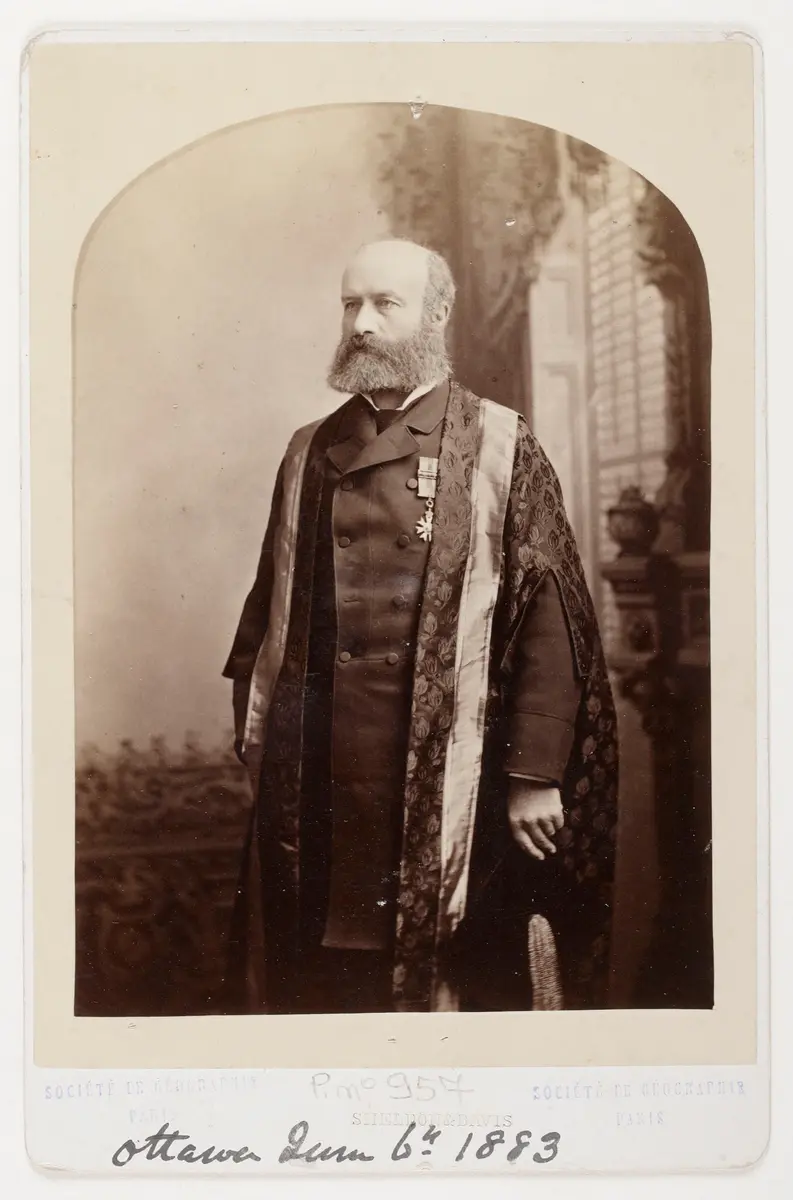
Sandford Fleming reads his paper on a prime meridian and time reckoning to the Canadian Institute in Toronto. The Governor-General sends it to the British government.
Toronto, where Sandford Fleming read his paper on 8 February 1879The American Metrological Society approves Abbe's Report on Standard Time. It counts seventy-five time standards in use on the railways and asks for no more than five for North America, an hour apart and counted from Greenwich, as a first step toward one national time.
- 1881
The General Time Convention, the railway managers' body, receives Abbe's report and refers it to its secretary, William F. Allen, with a request to report later.
Allen writes to the Metrological Society that he has only just learned that Abbe's committee named him for membership two and a half years before. He joins its December meeting and, in January, writes the first comments on uniform time that the railway trade had printed in ten years.
- 1882
At the Montreal meeting of the American Association for the Advancement of Science Fleming presents his plan for a prime meridian and for time for North America, with the answers to the questionnaire of his committee at the American Society of Civil Engineers. The same month the US President signs an act authorising an international conference on a prime meridian, which Abbe had drafted.
- 1883
The General Time Convention meets at St. Louis to hear Allen's short report on standard time, with two maps: one in colour showing the forty-nine railway times in use, the other showing the lines in five zones, which cuts the points where different times touch from nearly 300 to about 40. The members adopt it unanimously and tell Allen to win over every railway.
St. Louis, where the General Time Convention adopted Allen's plan on 11 April 1883The Southern Railway Time Convention, the managers' smaller companion body, whose secretary is also Allen, joins in recommending the plan. The map's title records the two meetings, 11 and 18 April.
Allen sends the maps, with a circular asking for a decision, to the managers of about 570 railways; copies of the colour map of overlapping railway times go in a pamphlet dated this day. Later he said the practical work of the change was done between 15 August and 18 November.
The Northern Pacific Railroad, joined to the Pacific coast at last, is opened with Henry Villard's 'gold spike' excursion in Montana. The photographer F. Jay Haynes takes the band of the 5th Infantry. The continent's rail network, whose times the zones are about to tidy, is now whole.
Some of the northeastern railways go over to the new Eastern time early, before the convention has even met.
The General Time Convention meets at the Grand Pacific Hotel in Chicago. Allen reports that roads with 70,041 miles of track favour his plan, and the members vote for it by a large majority. The convention sets the change for noon on Sunday 18 November.
Grand Pacific Hotel, Chicago (its site is now the former Continental Illinois Bank building at 231 South LaSalle Street), where the convention fixed the date on 11 October 1883All over the continent railways and towns change. Boston puts its clocks back sixteen minutes, Washington forward eight, Chicago's stop for nine; Philadelphia, New Orleans and Denver do nothing. In the east of each zone the clocks strike noon twice, so people call it the day of two noons. No railway accident is reported.
- 10:00 a.m.
On the Louisville & Nashville, by its circular to staff, every train and engine stops where it stands for eighteen minutes from ten o'clock by the old Louisville time. At 10:18 clocks and watches are turned back to ten, the new Central time, and the new time goes out by telegraph over the road.
- 12:00 p.m.
At noon in New York the bells of St. Paul's strike the old noon; a few minutes later, on the signal from the Naval Observatory, the time ball on the Western Union building falls and the chimes of Trinity ring twelve for the new time. Allen, on the roof, says that local time has been abandoned, 'probably forever'. New Yorkers turn their clocks back about four minutes.
Western Union Telegraph Building, 195 Broadway, New York, where the time ball fell at noon on 18 November 1883 (the 1875 building is gone; the AT&T building stands on the site) - 1884
Life prints a cartoon on its first page: a man puts a clock back four minutes for the 'new standard' and his daughter says nothing less than ten years will do.
By an Act of Congress Washington adopts the new standard time.
Washington, D.C., seat of the Signal Service, the Naval Observatory, the Meridian Conference of 1884 and the Act of 1918Allen reports to the General Time Convention that seventy-eight of the hundred principal American cities have adopted the new time.
The International Meridian Conference at Washington votes to propose the meridian through Greenwich as the world's zero of longitude. The American delegates include Allen, as 'Secretary Railway Time Conventions', and Abbe. The conference does not create time zones; those remain the railways' own.
Washington, D.C., seat of the Signal Service, the Naval Observatory, the Meridian Conference of 1884 and the Act of 1918Allen reports that all but two short lines near Pittsburgh are running on standard railway time. To get there he has moved the Pacific zone's edge east to Deming, New Mexico, and El Paso, Texas.
- 1887
Pittsburgh and its railways adopt Eastern time. Allen says his railway task is finished.
Allegheny Observatory, Pittsburgh, home of Langley's railway time service- 1889
A Georgia court rules that the only standard of time known to the law of Georgia is the sun. Standard railway time stays a private custom, with towns free to keep their own, for another generation; George Cram's atlas map of this year still draws it as the railways' time.
- 1918
President Wilson signs the Standard Time Act (40 Stat. 450): the country is divided into five zones (the fifth only for Alaska) counted from the 75th, 90th, 105th, 120th and 150th meridians west of Greenwich, with the borders to be set by the Interstate Commerce Commission, and standard time in them governs every common carrier and federal act.
Washington, D.C., seat of the Signal Service, the Naval Observatory, the Meridian Conference of 1884 and the Act of 1918- 2:00 a.m.
At two o'clock on Sunday morning, the last Sunday of March, every zone's clocks are put forward an hour for the first time, under the same Act. Bartky marks this as the moment when standard railway time, unofficial and regional, officially ended.
Washington, D.C., seat of the Signal Service, the Naval Observatory, the Meridian Conference of 1884 and the Act of 1918