Sequoia Capital and Kleiner Perkins are founded
“In 1972 Don Valentine founded Sequoia Capital, and Eugene Kleiner and Tom Perkins founded Kleiner Perkins on Sand Hill Road; their bets on Atari, Apple, Tandem and Genentech turned venture capital into an industry.”
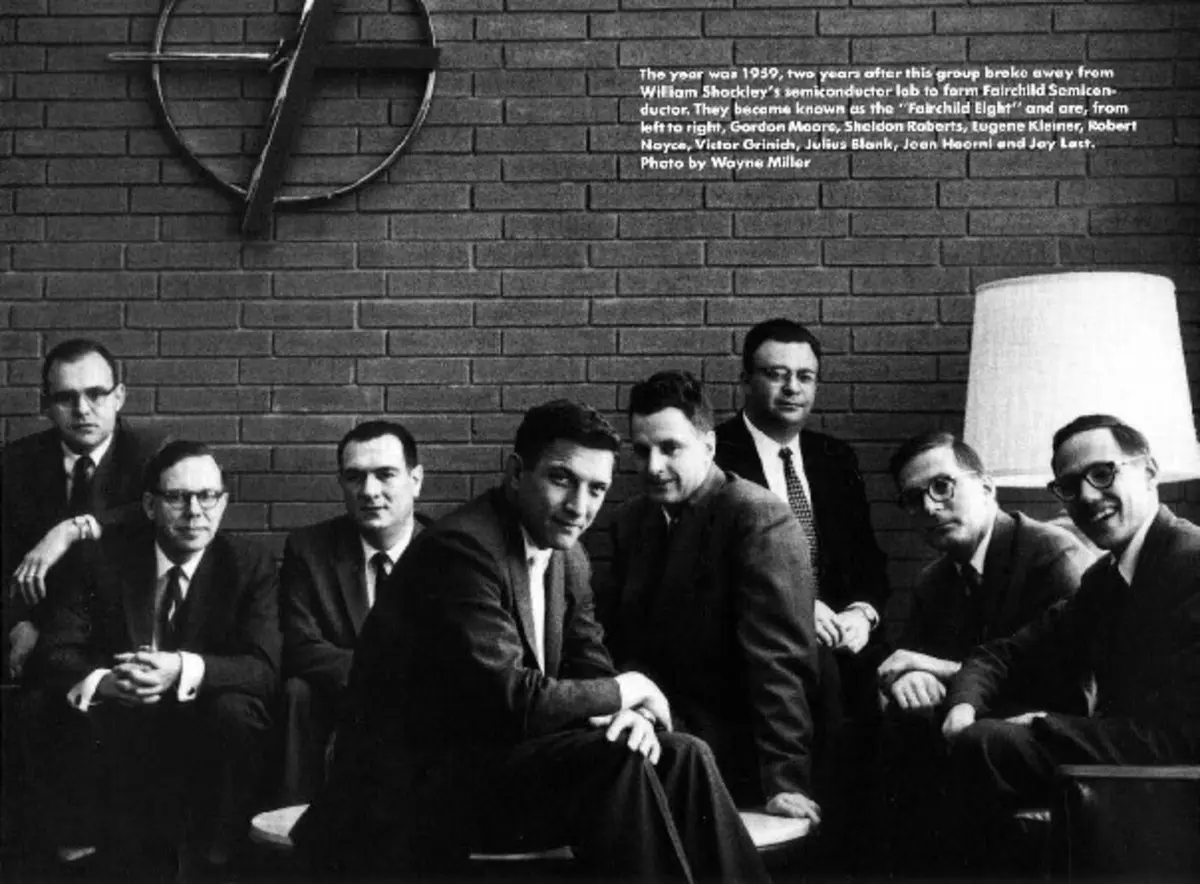
In 1972 two small investment partnerships were set up close to Stanford University in California that turned a scattered habit of 'risk investing' into the modern venture capital industry. Don Valentine, who had sold chips for Fairchild Semiconductor and run marketing at National Semiconductor, left National with the backing of the Capital Group, a Los Angeles mutual-fund company, to invest in young technology companies; he named his firm Sequoia, after the redwood that lives for thousands of years. In the same year Eugene Kleiner, a Vienna-born engineer who was one of the eight founders of Fairchild in 1957, and Tom Perkins, who had built Hewlett-Packard's computer business, met over breakfast in Palo Alto and formed Kleiner & Perkins. They raised $8 million, a very large fund for its time, and rented an office in a new group of low wooden buildings on Sand Hill Road in Menlo Park, the first venture firm on a road whose name later stood for the whole industry.
Venture capital itself was older. American Research and Development, started in Boston in 1946 by the Harvard professor Georges Doriot, had turned $70,000 in Digital Equipment into $355 million, and in the 1960s small business investment companies and a few partnerships, among them Davis & Rock in San Francisco, in which Kleiner was a limited partner, financed new firms. But the money was small: until the late 1970s the whole industry raised a few hundred million dollars a year at most. What the two new firms added was a method. Their founders had run technology businesses themselves and worked inside the companies they backed, hiring managers, writing plans and sitting on boards. Valentine invested only in large markets close to home in Northern California and took money only from institutions such as university endowments and foundations.
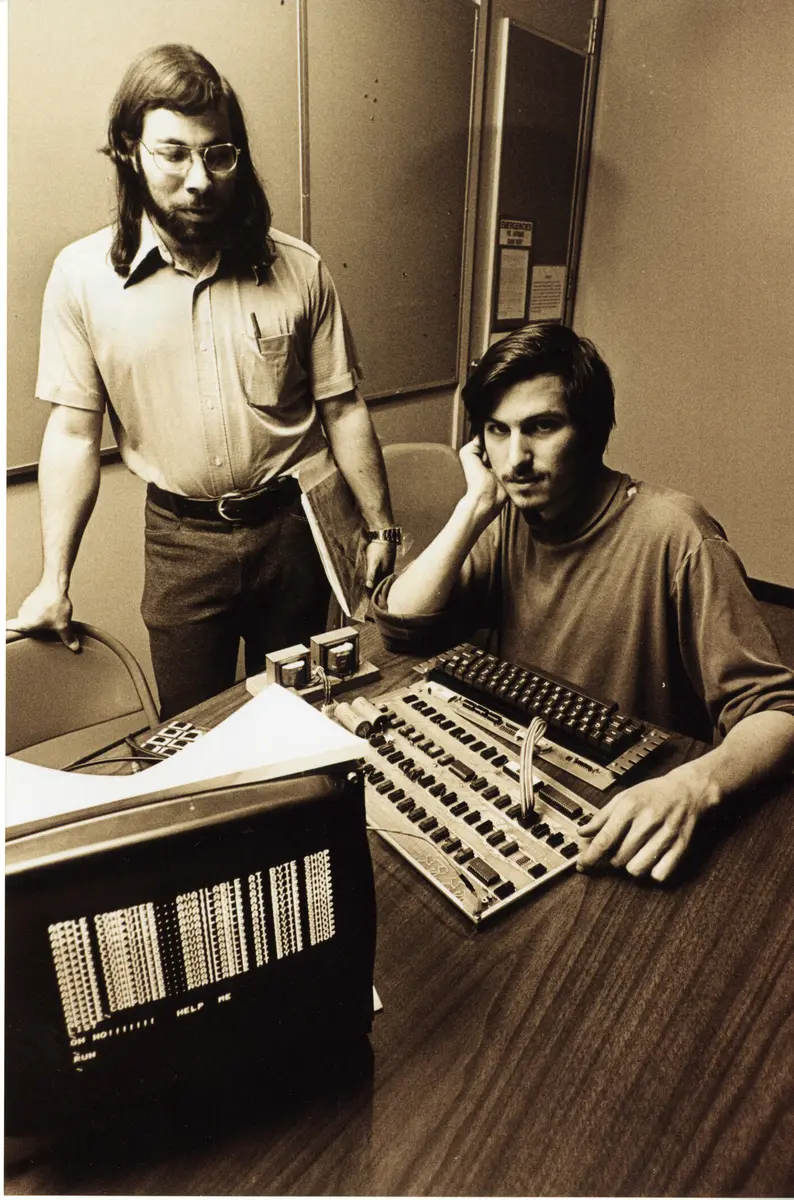
The 1970s were hard. Share prices fell, few companies could go public, and the pension law of 1974, ERISA, made pension managers afraid that a stake in a start-up would count as imprudent. Kleiner & Perkins invested only half of its first fund, but it built two companies almost by itself: Tandem Computers (1974), whose machines kept running when a part failed, and Genentech (1976), started by its young partner Robert Swanson and the biochemist Herbert Boyer to make medicines by gene splicing. Sequoia's first fund, $3 million by the firm's own account, made its first investment in the video-game maker Atari in 1975 and put about $150,000 into Apple in 1978.
The turn came between 1978 and 1980. The Revenue Act of 1978 cut the top tax rate on capital gains from 49 to 28 per cent, and in 1979 the Labor Department ruled that a pension manager could put a small part of a fund into risky assets. Money committed to independent venture partnerships rose from $427 million in 1978 to $1.25 billion in 1980 (in 1994 dollars), with pension funds supplying about 30 per cent of it. Then, on 14 October 1980, Genentech's shares jumped from $35 to $88 within an hour of its debut, and on 12 December Apple went public at $22 a share. The returns were plain for everyone to see.
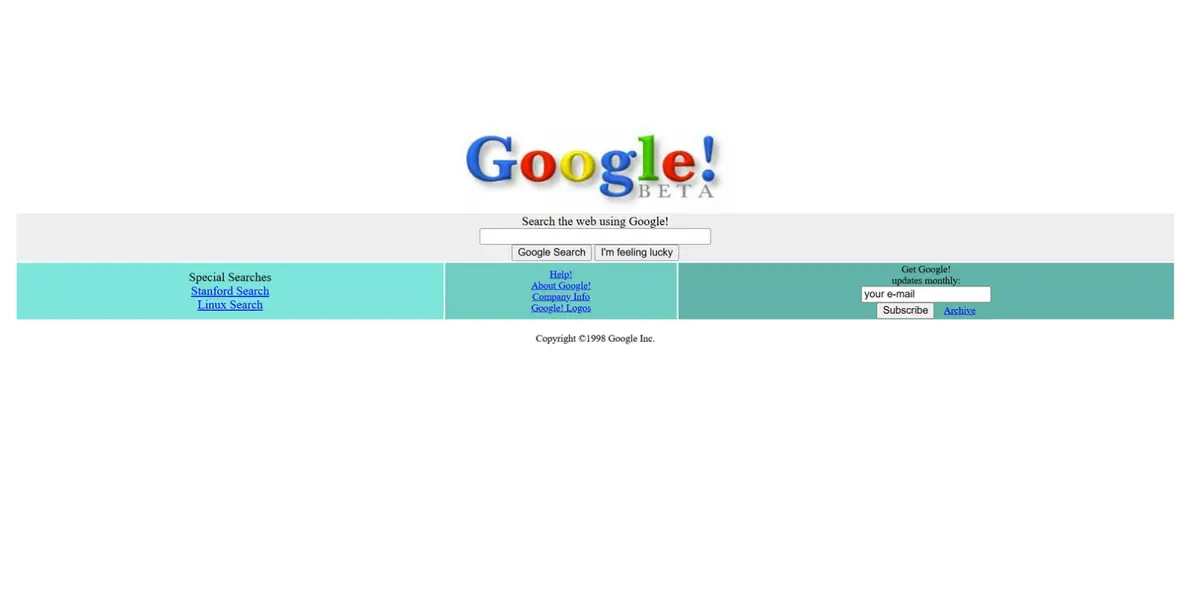
Sequoia and Kleiner Perkins became the models for hundreds of firms that followed them to Sand Hill Road. Their later investments run through the history of the computer industry, from Oracle and Cisco to Google, and the idea they made standard, that a few partners with technical experience should pick a small number of start-ups, help to build them and be paid from the profits, spread from California to the rest of the world.
What happened
- 1972
Don Valentine, a Fairchild and National Semiconductor marketing man, leaves National 'very early' in the year to run a pool of money for start-ups that the Capital Group, a Los Angeles mutual-fund company, has offered him. He later names the firm Sequoia, after the redwood that lives for thousands of years.
Introduced by the banker Sandy Robertson, Eugene Kleiner and Tom Perkins meet for breakfast at Rickey's on El Camino Real in Palo Alto, talk all day and agree to work together. Perkins writes the business plan of 'Kleiner & Perkins', and in about three months they raise $8 million, half of it from the Hillman family of Pittsburgh, then the largest venture fund anywhere.
Kleiner & Perkins rents an office in the new low wooden buildings that the developer Tom Ford has put up on Sand Hill Road in Menlo Park, near the planned Interstate 280. It is the first venture capital firm on the road; others follow over the next years.
3000 Sand Hill Road, Menlo Park: Tom Ford's office buildings, where Kleiner & Perkins became the first venture firm on the road in 1972- 1974
Valentine and the Capital Group's Capital Management Services close their first venture fund, $3 million by Sequoia's account, from tax-exempt investors such as university endowments and foundations rather than rich individuals.
- 11:40 a.m.
On Labor Day President Ford signs the Employee Retirement Income Security Act in the White House Rose Garden. Its rule that pension managers must invest like a 'prudent man' makes most pension funds keep away from start-ups and venture funds for the rest of the decade.
White House Rose Garden, Washington: President Ford signs ERISA, 2 September 1974 Tandem Computers is founded by Jimmy Treybig and other former Hewlett-Packard men who had worked on the idea in Kleiner & Perkins's office. When no one else will invest, Kleiner & Perkins pays for the whole first round, close to $1 million, for a computer that keeps running when a part fails.
- 1975
Valentine makes his fund's first investment, in Atari, the Pong maker of Nolan Bushnell, because of the microprocessors that run its games; he joins its board.
- 1976
Tandem ships its first NonStop computers; banks and stock exchanges become its customers, and it goes public in 1977.
Robert Swanson, a young partner Kleiner & Perkins had hired, and the biochemist Herbert Boyer found Genentech to make medicines by gene splicing. Kleiner & Perkins puts in $100,000 to pay for a first proof, making the small hormone somatostatin, and ends up with about a third of the company.
- 1978
Sequoia invests about $150,000 in Apple Computer, the year-old company of Steve Jobs and Steve Wozniak; Valentine joins Apple's board.
Kleiner Perkins raises its second fund, $15 million; with the new partners Frank Caufield and Brook Byers the firm becomes Kleiner, Perkins, Caufield & Byers.
President Carter signs the Revenue Act of 1978, which cuts the highest tax rate on an individual's capital gains from 49 to 28 per cent; money committed to venture funds starts to rise.
- 1979
The Labor Department publishes its rule on the investment duties of pension managers: an investment is to be judged by its part in the whole portfolio. A small share in venture funds is no longer imprudent, and pension money starts to flow in.
- 1980
- 10:25 a.m.
Genentech goes public, the first biotechnology company to do so: one million shares are released at $35 at 10:25 a.m. New York time, reach $88 within an hour and close at $71.25. Kleiner Perkins holds almost a million shares.
South San Francisco: Genentech, founded with Kleiner & Perkins money in 1976 Apple Computer goes public: 4.6 million shares at $22 each, sold through Morgan Stanley and Hambrecht & Quist. Together with Genentech's debut it shows how much a venture investment can return, and money pours into new venture funds in the following years.