The Gregorian calendar
“In 1582 Pope Gregory XIII dropped ten days (4 October was followed by 15 October) and tightened the leap-year rule, fixing Caesar's drifting calendar; most of the world now uses it.”
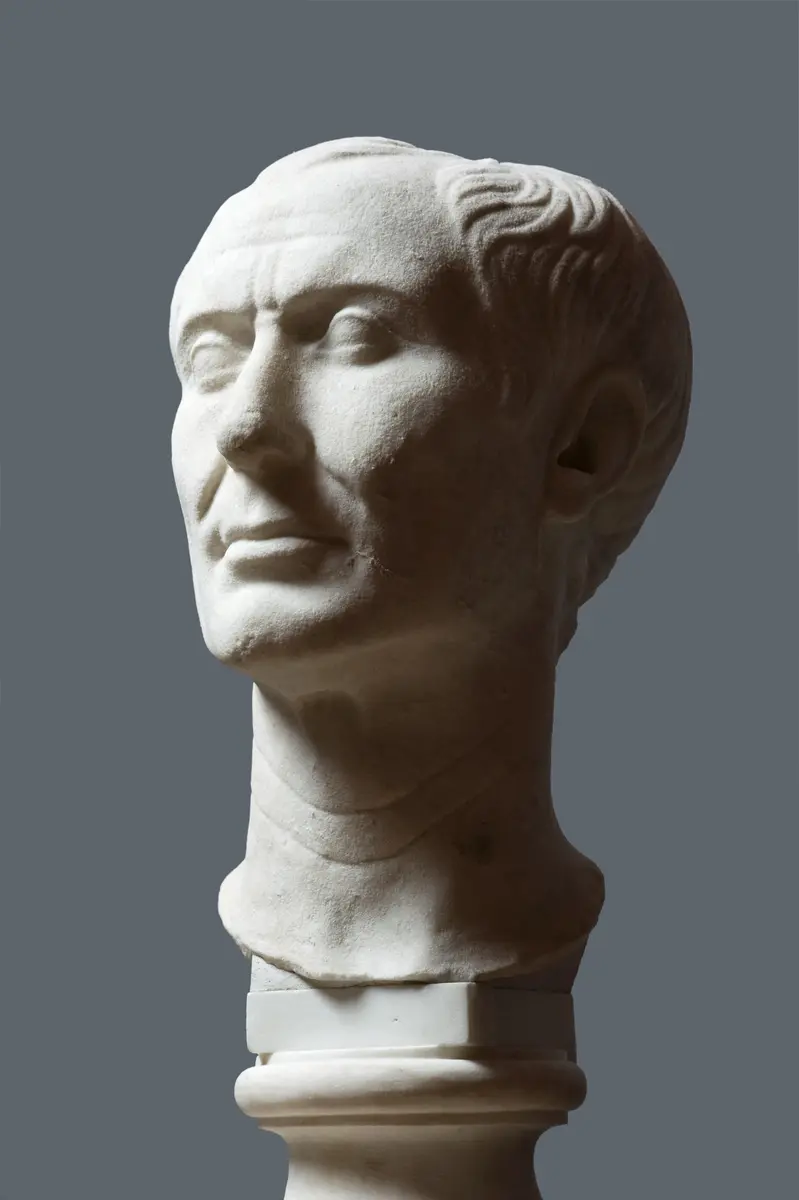
The Gregorian calendar is the calendar most of the world lives by today. It was not a new invention so much as a repair of the calendar Julius Caesar had introduced in 46 BCE, which gave the year 365 days and added a leap day every fourth year, an average of 365¼ days. The Sun's year is about eleven minutes shorter than that. Over the centuries the extra minutes piled up, about three days every four hundred years, and the calendar slowly slid against the seasons. By the 1500s the spring equinox, which the Church had fixed on 21 March since the Council of Nicaea in 325, really came around 11 March. Because Easter is set by the first full moon after that equinox, the Church's greatest feast was drifting away from where it belonged.
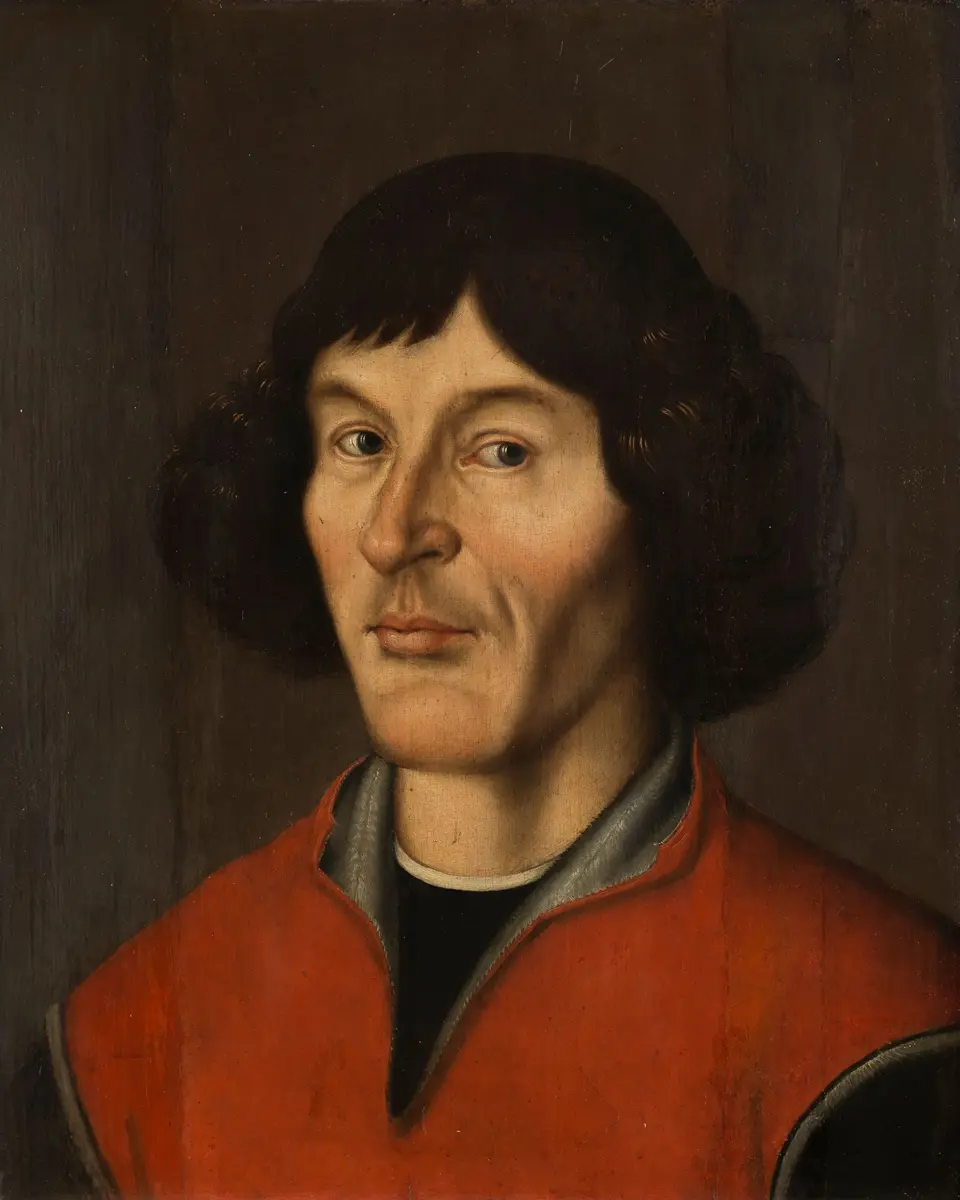
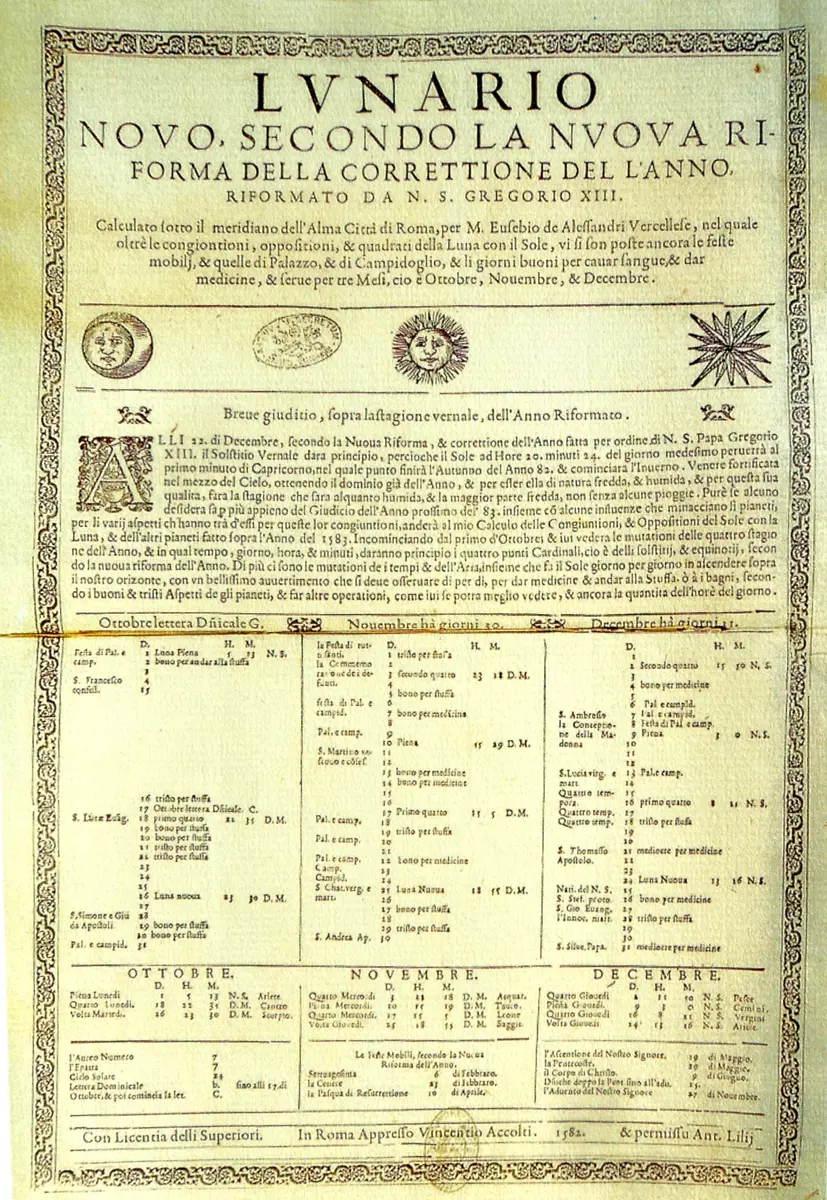
Astronomers had pointed out the error for centuries, and Copernicus was among those consulted early in the 1500s, but nothing was done until the Council of Trent asked the pope to act in 1563. Pope Gregory XIII, a lawyer from Bologna who had sat at that council, chose a plan by Aloysius Lilius (Luigi Lilio), a physician and astronomer from Calabria who had died before it could be used; his brother Antonio brought it to Rome in 1576. A papal commission led by Cardinal Guglielmo Sirleto, with the German Jesuit mathematician Christopher Clavius among its members, sent a summary to Catholic rulers and universities in 1577, weighed their replies and recommended the reform in September 1580. On 24 February 1582 Gregory signed the bull known by its first words, Inter gravissimas ('Among the most serious...').
The reform did two things. It removed ten days at once: in Rome, Spain, Portugal and Poland, Thursday 4 October 1582 was followed by Friday 15 October, which put the equinox back on 21 March. And it changed the leap-year rule so that the error would not return: a year divisible by four is still a leap year, but a century year is one only if it divides by 400, so 1600 and 2000 were leap years and 1700, 1800 and 1900 were not. The average year became 365.2425 days, so close to the Sun's that the calendar gains only about a day in three thousand years. Clavius spent the rest of his life explaining and defending it, above all in his official 'Explanation' of 1603.
The pope could command only the Church; each state had to adopt the calendar by its own law. Catholic countries did so within months, France in December 1582, and carried it to their empires. Protestant states would not take orders from Rome, so for more than a century the date could change when you crossed a border. The Protestant German states agreed to switch in 1699, and Britain and its colonies followed in 1752, when Wednesday 2 September was followed by Thursday 14 September: eleven days by then, because 1700 had been a leap year in the old calendar but not in the new. The story of crowds rioting for 'our eleven days' rests mostly on a painting by Hogarth, and historians doubt it. Sweden tried to change gradually, muddled it, and in 1712 even had a 30 February before switching in 1753.
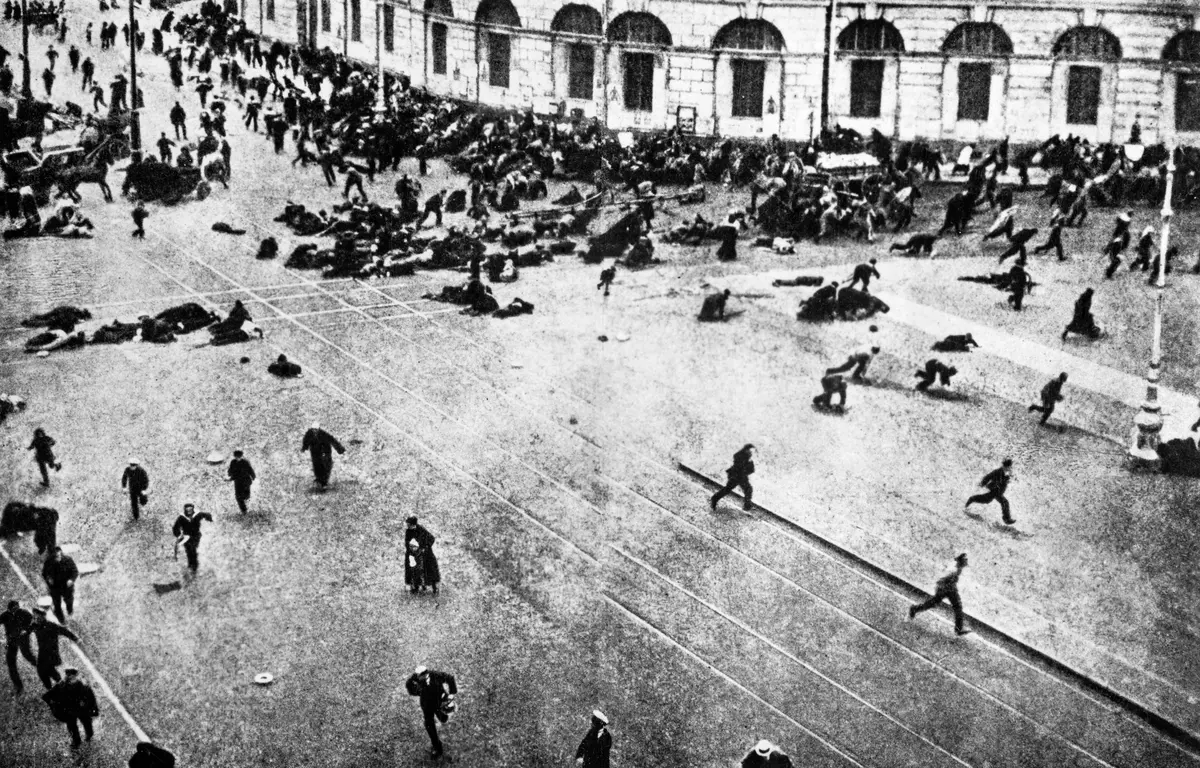
Outside Europe the calendar came with modernizing governments: Japan in 1873, China in 1912. Orthodox Russia changed only in 1918, which is why its 'October Revolution' of 1917 happened in November by the Western calendar, and Greece in 1923. Today it is the civil calendar of nearly every country, used for business and government even where other calendars set the religious holidays, and some churches still keep the old Julian reckoning for their feasts.
What happened
- 1577
Cardinal Guglielmo Sirleto takes over the papal commission on the calendar. It prints a short summary of the late Aloysius Lilius's plan, the Compendium, and sends it to Catholic rulers and universities for their opinion.
- 1580
Eight members of the commission, among them Sirleto, Clavius, Ignazio Danti and Lilius's brother Antonio, sign their report recommending the reform. The replies from princes and universities had disagreed on almost everything, so the commission follows its own judgement.
The Tower of the Winds in the Vatican, built for Gregory XIII: by tradition the reform commission met here, and Ignazio Danti's meridian line in its upper room showed the ten-day error- 1582
Gregory XIII signs the bull Inter gravissimas at Tusculum (Frascati), outside Rome. It orders the clergy to use the new calendar and urges kings, princes and republics to adopt it.
The bull is published in Rome, with the rules for finding Easter under the new calendar. A medal celebrates 'the year restored'.
The switch: in the Papal States and the rest of Italy, Spain, Portugal and Poland, Thursday 4 October, the feast of St Francis, is followed by Friday 15 October. The days of the week run on unbroken.
France makes the change in December, a few weeks after the rest of Catholic Europe; the Catholic states of Germany follow within the year.
- 1584
In Lima the printer Antonio Ricardo prints King Philip II's decree on the ten days, carrying the reform to Spain's American empire. It is the first known book printed in South America.
Lima, Peru: Philip II's decree carrying the reform to Spain's American empire was printed here in 1584, the first known book printed in South America - 1585
England holds back. Queen Elizabeth favours reform and the mathematician John Dee draws up a plan, but the bishops will not follow a pope: a bill in the House of Lords falls after its second reading (16 March by the English reckoning).
The Palace of Westminster, London: Parliament passed Lord Chesterfield's calendar act here in 1751, and Britain dropped eleven days in September 1752- 1603
By order of Pope Clement VIII, Clavius, by now the last surviving member of the commission, publishes his 'Explanation' of the restored calendar, its full scientific defence.
The Collegio Romano, the Jesuit college in Rome where Christopher Clavius taught mathematics from 1564 until his death in 1612 - 1699
The Protestant states of Germany agree to adopt the new calendar, more than a century after their Catholic neighbours.
- 1700
Sweden starts a slow switch: instead of dropping eleven days at once it plans to skip the leap days of the next forty years, and leaves out 29 February 1700.
- 1712
Having muddled the plan by keeping the leap days of 1704 and 1708, Sweden goes back to the old calendar. To catch up it adds a day, and February 1712 has a 30th.
- 1751
Lord Chesterfield, backed by the astronomer Earl of Macclesfield, brings a bill to reform the calendar into the House of Lords. It passes, and also moves the start of England's legal year from 25 March to 1 January.
The Palace of Westminster, London: Parliament passed Lord Chesterfield's calendar act here in 1751, and Britain dropped eleven days in September 1752- 1752
Britain and its colonies, America among them, make the change: Wednesday 2 September is followed by Thursday 14 September. The gap is now eleven days, because 1700 was a leap year in the old calendar but not in the new.
The Palace of Westminster, London: Parliament passed Lord Chesterfield's calendar act here in 1751, and Britain dropped eleven days in September 1752- 1753
Sweden adopts the Gregorian calendar at last.
- 1754
At the Oxfordshire election, Tory opponents of Lord Macclesfield's son are said to carry banners reading 'Give us our Eleven Days'. Hogarth paints one into An Election Entertainment, the main source for the later legend of calendar riots.
- 1873
Japan's Meiji government, modernizing on Western lines, adopts the Gregorian calendar with only weeks of warning: the 3rd day of the 12th month of the 5th year of Meiji becomes 1 January 1873.
Tokyo: Japan's Meiji government decreed the change in November 1872, and the new calendar began on 1 January 1873- 1912
China adopts the Gregorian calendar.
- 1918
Soviet Russia adopts the Gregorian calendar, thirteen days ahead of the old one. The Bolsheviks' October Revolution of 1917 had happened on 25 October by the old calendar, 7 November by the new.
- 1923
Greece adopts the Gregorian calendar for civil life, the last of the countries in Britannica's list of adoptions.