The SEC is created
“In 1934, after Ferdinand Pecora's Senate hearings exposed Wall Street's abuses, Congress created the Securities and Exchange Commission, led first by Joseph P. Kennedy, to make companies tell investors the truth.”
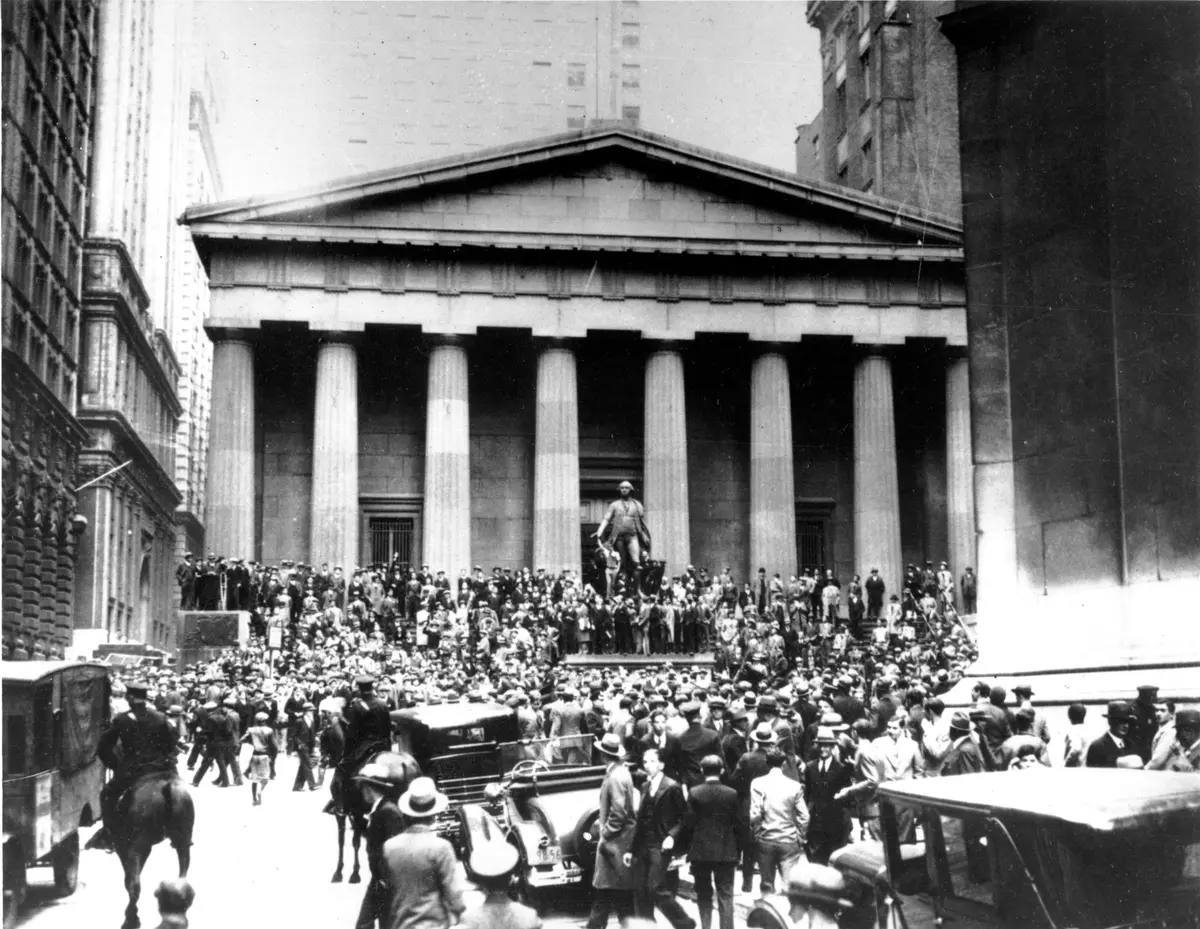
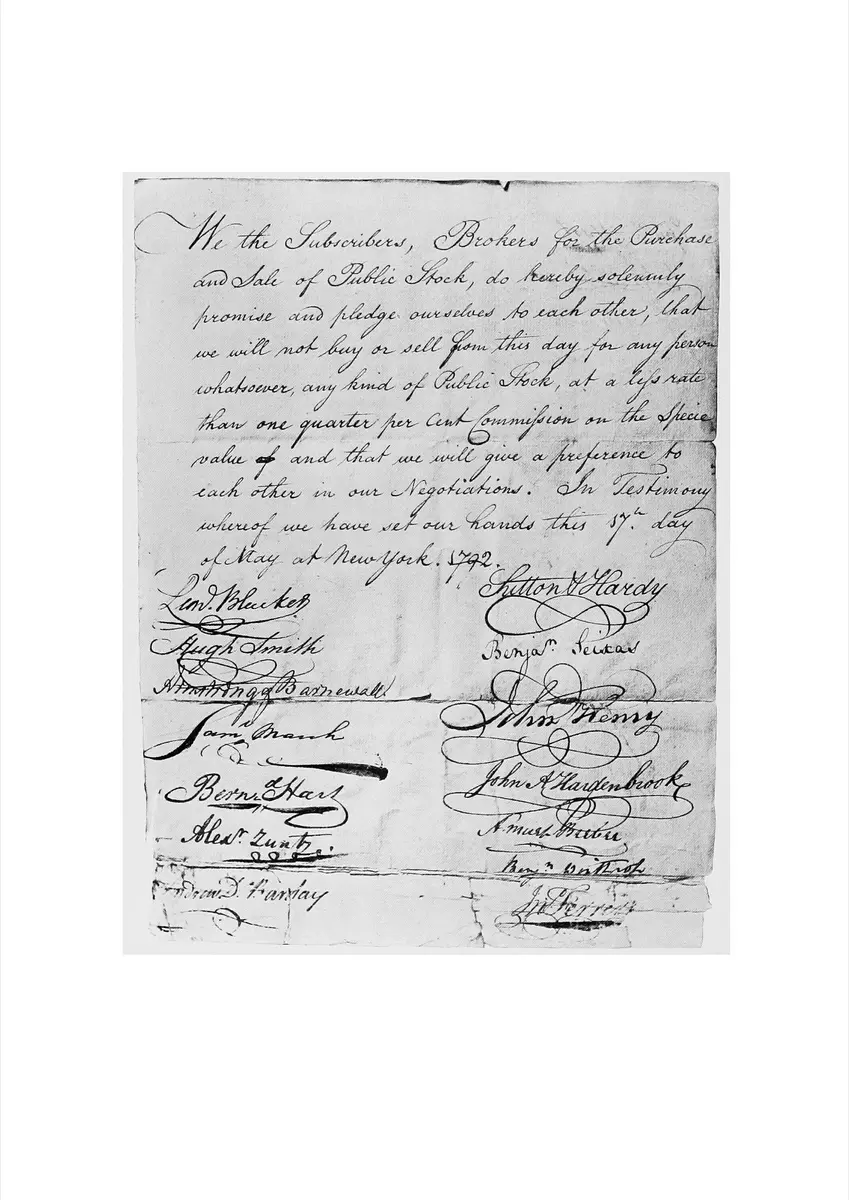
The Securities and Exchange Commission, the SEC, is the American government agency that watches over the stock market. Congress created it in June 1934, in the depths of the Great Depression. Before the crash of 1929 there were almost no federal rules for selling shares or bonds: a company could sell stock without telling buyers the truth about its business, and insiders on Wall Street could band together in 'pools' to push a share price up, sell at the top and leave ordinary investors with the losses. Some states had their own 'blue sky' laws, but a seller could escape them simply by selling across state lines. After the crash wiped out savings across the country, many Americans wanted to know who was to blame.
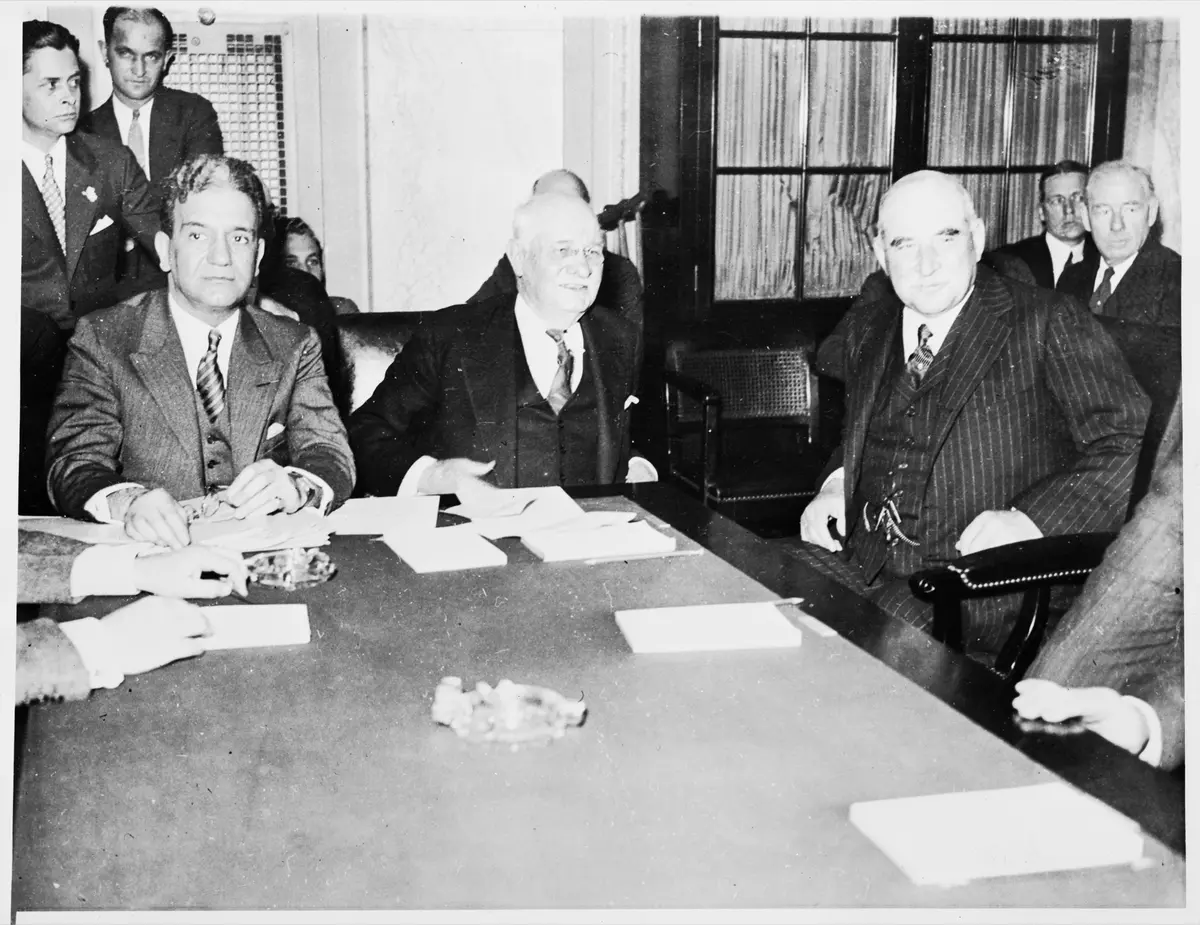
The answer came from a Senate inquiry. In April 1932 the Senate Committee on Banking and Currency began hearings on the practices of the stock exchanges, with the president of the New York Stock Exchange, Richard Whitney, as its first witness. For months it made little progress. Then, in January 1933, the committee hired a New York prosecutor, Ferdinand Pecora, as its counsel. Pecora studied the banks' own records and questioned the most powerful men in finance in public. Charles Mitchell of the National City Bank admitted that he had earned more than $1.2 million in 1929 and avoided income tax by selling bank shares to a member of his family at a loss; he left the bank within days. J. P. Morgan Jr. had to explain the 'preferred lists' of friends and politicians to whom his firm had sold new shares below the market price. Newspapers carried the hearings on their front pages, and the 'Pecora investigation' turned public anger into political support for reform.
President Franklin D. Roosevelt and Congress acted in two steps. The Securities Act of 1933, signed on 27 May 1933, required any company selling new securities to the public to register them and publish the material facts in a prospectus, with penalties for lying; it was run at first by the Federal Trade Commission. In June 1933 the Glass–Steagall Banking Act separated deposit banking from investment banking and created federal deposit insurance. The second step was harder. The Fletcher–Rayburn bill to regulate the exchanges themselves met a fierce campaign led by Whitney, and Congress changed it in many places. In the end it gave the job to a new body, and on 6 June 1934 Roosevelt signed the Securities Exchange Act, whose section 4 established a Securities and Exchange Commission of five members, no more than three of them from one party.
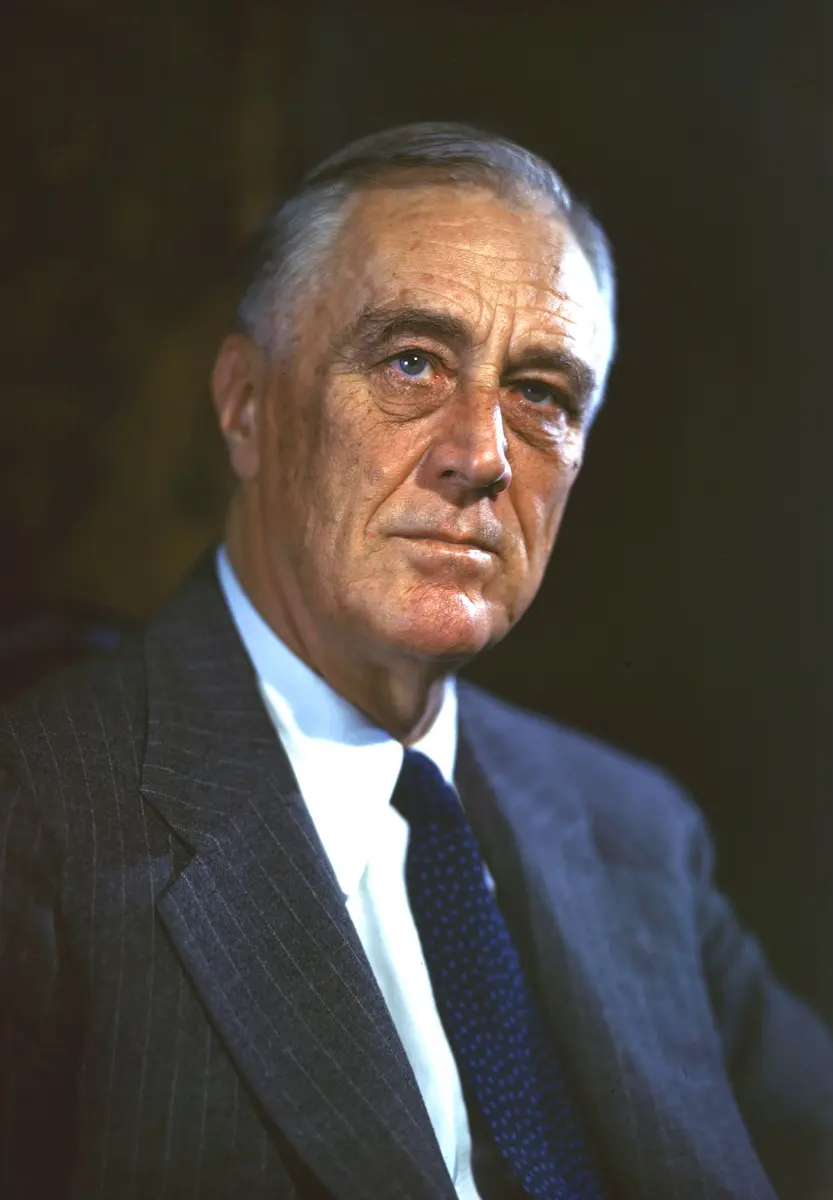
To general surprise Roosevelt made Joseph P. Kennedy, a rich Boston financier who had himself helped manipulate share prices in the 1920s, the commission's first chairman; critics said it was like setting a wolf to guard the sheep. Kennedy, with the other commissioners James Landis, Ferdinand Pecora, George Mathews and Robert Healy, built the agency quickly. It took over the Securities Act from the FTC on 1 September 1934, registered the national stock exchanges and thousands of listed securities, opened regional offices and hired some 700 people. Kennedy chose cooperation over confrontation: he simplified the registration forms, worked out trading rules with the brokers and persuaded companies, which had almost stopped raising new money, to come back to the market. When he resigned on 23 September 1935, new issues were growing again and Landis took his place.
The SEC's founding idea, that investors are best protected by honest and complete information rather than by the government judging which investments are good, still rules American finance. Every listed company must publish regular audited reports, today on the SEC's EDGAR website, and insider trading and market manipulation are federal offences. Later crises, from the crash of 1987 to the financial crisis of 2008, have tested the system and led to new laws, but the commission built in 1934 and 1935 is still the referee of the world's largest capital market.
What happened
- 1932
- 10:30 a.m.
At 10.30 in the morning the Senate Committee on Banking and Currency opens its hearings on stock exchange practices in Room 301 of the Senate Office Building, under Senate Resolution 84 of March. The first witness is Richard Whitney, president of the New York Stock Exchange, served with a subpoena by telegram the Friday before; he promises the figures on short selling the senators asked for.
Senate Office Building (today the Russell Senate Office Building), Washington: Room 301, where the Banking and Currency Committee held the stock exchange hearings, 1932 to 1934 - 1933
The committee retains Ferdinand Pecora, a former assistant district attorney of New York, as its counsel; from now on the inquiry proceeds under his guidance.
Senate Office Building (today the Russell Senate Office Building), Washington: Room 301, where the Banking and Currency Committee held the stock exchange hearings, 1932 to 1934For three days the subcommittee hears evidence on the collapse of Samuel Insull's utility holding companies in Chicago.
Senate Office Building (today the Russell Senate Office Building), Washington: Room 301, where the Banking and Currency Committee held the stock exchange hearings, 1932 to 1934Hearings on the National City Bank and its securities affiliate begin. Pecora asks its chairman, Charles E. Mitchell, whether he received $1,206,195.02 in salary and bonuses for 1929; Mitchell also admits selling bank shares to a relative at a loss to avoid income tax. Within days he resigns from the bank.
National City Bank, 55 Wall Street, New York: the bank of Charles E. Mitchell, examined from 21 February to 2 March 1933The Senate agrees to Resolution 56, which widens the inquiry from the stock exchanges to banking, the issuing of securities and private bankers.
The United States Capitol, Washington: Congress passes the Securities Act (1933) and the Securities Exchange Act (1934)The committee issues a subpoena ordering J. P. Morgan to appear before it on 23 May.
J. P. Morgan Jr. is sworn in before the committee and reads a statement on the duties of a private banker. The hearings on his firm run until 9 June and reveal its 'preferred lists', friends and public men who were offered new shares at the bankers' cost, below the market price.
Senate Office Building (today the Russell Senate Office Building), Washington: Room 301, where the Banking and Currency Committee held the stock exchange hearings, 1932 to 1934President Roosevelt approves the Securities Act of 1933. Companies selling new securities to the public must now register them and publish the material facts; the Federal Trade Commission, with James Landis in charge of its new Securities Division, administers the law.
Roosevelt signs the Banking Act of 1933, the Glass–Steagall Act: commercial banks may no longer deal in securities, and the Federal Deposit Insurance Corporation is created.
- 1934
The Fletcher–Rayburn bill to regulate the stock exchanges, drafted by Benjamin Cohen and Thomas Corcoran, is introduced in Congress. Richard Whitney organises a huge campaign of letters and lobbying against it.
The United States Capitol, Washington: Congress passes the Securities Act (1933) and the Securities Exchange Act (1934)The full Banking and Currency Committee, under Senator Duncan Fletcher, begins hearings on the bill; they last until 5 April. In the end Congress gives the new law not to the Federal Trade Commission but to a new commission, as Senator Carter Glass proposed.
Senate Office Building (today the Russell Senate Office Building), Washington: Room 301, where the Banking and Currency Committee held the stock exchange hearings, 1932 to 1934- 12:15 p.m.
At 12.15 p.m. Roosevelt approves the Securities Exchange Act of 1934, whose section 4 establishes the Securities and Exchange Commission. Asked what kind of law it will be, Pecora answers that it will be good or bad 'depending upon the men who administer it'.
The White House, Washington: President Roosevelt signs the Securities Exchange Act, 6 June 1934, 12:15 p.m. Senator Fletcher submits the committee's report, 'Stock Exchange Practices': more than 12,000 printed pages of testimony and over 1,000 exhibits lie behind it.
The United States Capitol, Washington: Congress passes the Securities Act (1933) and the Securities Exchange Act (1934)Roosevelt names the five commissioners: Joseph P. Kennedy for five years, George C. Mathews for four, James M. Landis for three, Robert E. Healy for two and Ferdinand Pecora for one. Reformers are dismayed that a former stock speculator will lead; Jerome Frank calls it setting a wolf to guard the sheep.
The commissioners hold their first meeting, all five present, and choose Kennedy as chairman; Landis has smoothed over Pecora's wish to lead the commission himself.
The commission has set up its first three divisions, registration, trading and exchanges, and legal, under Baldwin Bane, Pecora's former aide David Saperstein and John J. Burns, and asks William O. Douglas to lead its study of protective committees.
The commission issues its rules for registering stock exchanges and, after hearings with the exchanges, temporary rules for registering the securities listed on them; 24 exchanges apply to become national securities exchanges.
New York Stock Exchange, 11 Wall Street: the exchange led by Richard Whitney, registered as a national securities exchange under the 1934 actUnder section 210 of the 1934 act the administration of the Securities Act passes from the Federal Trade Commission to the SEC.
The deadline for temporary registration of listed securities: 2,910 stock issues and 1,968 bond issues are filed, and Landis has cots brought in so that the staff can work through the night.
The temporary registrations take effect: from now on the shares and bonds traded on the national exchanges are registered with a federal agency.
New York Stock Exchange, 11 Wall Street: the exchange led by Richard Whitney, registered as a national securities exchange under the 1934 actThe commission leaves the Federal Trade Commission's quarters and moves into the old Interstate Commerce Commission building at 1778 Pennsylvania Avenue, with dark corridors and greasy windows.
1778 Pennsylvania Avenue NW, Washington: the SEC's office from October 1934, the old Interstate Commerce Commission building- 1935
The commission's report on the government of the exchanges finds the New York Stock Exchange run by a few floor traders and specialists; the exchange adopts its eleven recommendations, and in the spring Whitney loses the presidency to the commission broker Charles Gay.
New York Stock Exchange, 11 Wall Street: the exchange led by Richard Whitney, registered as a national securities exchange under the 1934 actThe commission releases Form A-2, a shorter registration form for established companies issuing new securities. Kennedy calls it the answer to the pledge to make registration 'less onerous, less expensive, and more practical'.
The Senate confirms the five commissioners.
The United States Capitol, Washington: Congress passes the Securities Act (1933) and the Securities Exchange Act (1934)Pecora's resignation takes effect: tired of being outvoted by the commissioners who favoured cooperation with business, he leaves after six months, and the commission works on with four members.
The meat packer Swift and Company registers a $43 million bond issue with a 59-page statement; two days later Pacific Gas and Electric follows with $45 million. 'Swift's Bond Issue Ends Security Jam', says the New York Times, and new issues begin to climb.
The commission issues sixteen trading rules for members of the exchanges, against excessive trading for their own account, fake activity and certain short sales.
New York Stock Exchange, 11 Wall Street: the exchange led by Richard Whitney, registered as a national securities exchange under the 1934 actOn his way to the White House with his resignation, Kennedy hears that the Supreme Court has struck down the National Industrial Recovery Act in the Schechter case; he goes back to his office and tears up the letter.
Kennedy is re-elected chairman for a second year.
Roosevelt approves the Public Utility Holding Company Act, which gives the SEC power to break up utility empires like Insull's, a law Kennedy helped draft but distrusted.
A National Archives photographer records the commission's files piled in the basement vault of its building.
1778 Pennsylvania Avenue NW, Washington: the SEC's office from October 1934, the old Interstate Commerce Commission buildingKennedy's resignation as chairman and commissioner takes effect, and James M. Landis is elected chairman. He leaves an agency of about 700 people with regional offices in eight zones.
1778 Pennsylvania Avenue NW, Washington: the SEC's office from October 1934, the old Interstate Commerce Commission building