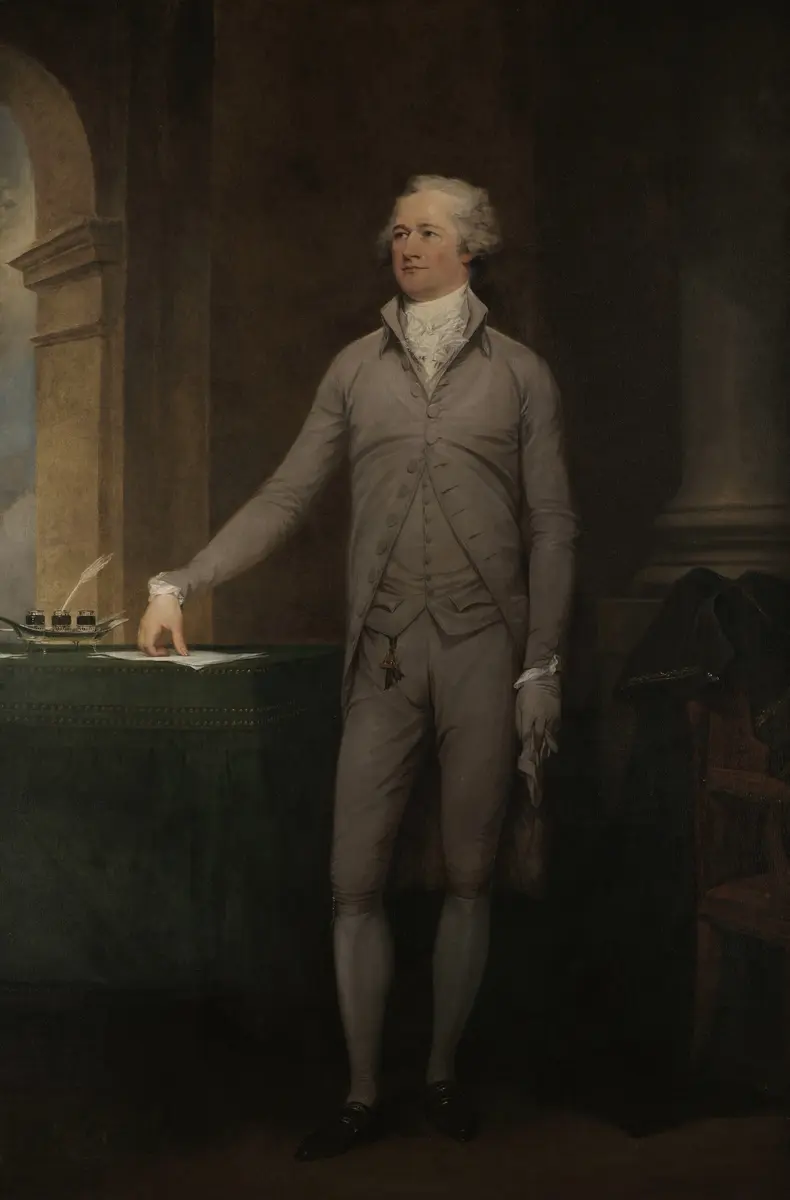
Alexander Hamilton
“America's first Treasury Secretary, who paid the Revolution's debts in full, founded the national bank and wrote most of The Federalist, until Aaron Burr killed him in a duel in 1804.”
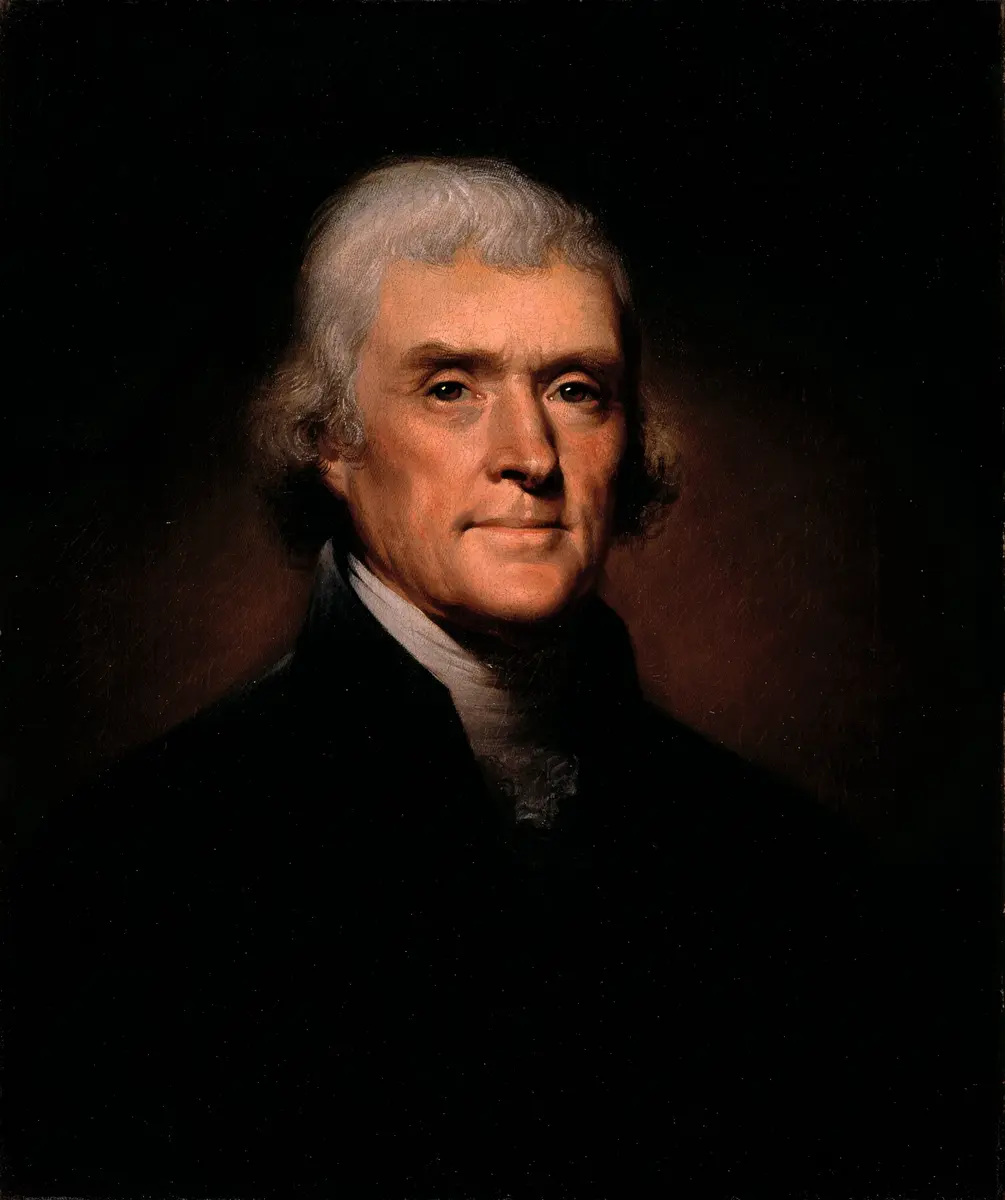
Alexander Hamilton was the first Secretary of the Treasury of the United States, from 1789 to 1795, and the main architect of its financial system. In about two years he persuaded Congress to take over the debts of the Revolutionary War, the nation's and the states' alike, and to pay them in full with new federal bonds backed by customs duties and taxes; he designed the Bank of the United States, chartered in 1791, and planned the national Mint; and in his Report on Manufactures he argued that government should help young industries grow. Before that he had been George Washington's aide-de-camp in the war, one of the men who brought about the Constitution, and the author of 51 of the 85 essays of The Federalist, still the classic explanation of how the American government is meant to work. His quarrel with Thomas Jefferson over what kind of country the United States should be, a nation of trade, credit and cities or a nation of farmers, gave the country its first political parties.
He was born on 11 January 1755 or 1757 in Charlestown, on the Caribbean island of Nevis. The year is disputed: a court record of 1768 gives his age as 13, which points to 1755, while the US Treasury and many biographies give 1757. His parents, Rachel Faucette and James Hamilton, a Scottish trader, were not married. The family moved to the Danish island of St Croix in 1765, where his father soon left them, and his mother died there in February 1768. The boy worked as a clerk in Christiansted for the New York trading house of Beekman and Cruger, rising from bookkeeper to manager, and wrote to a friend in 1769 that he scorned a clerk's lowly life and 'wish[ed] there was a War'. A vivid letter he wrote about the hurricane of 31 August 1772, printed in the island's newspaper, moved local merchants to pay for his education in North America. He arrived late in 1772, went to school in Elizabethtown, New Jersey, and in 1773 entered King's College in New York, now Columbia University.
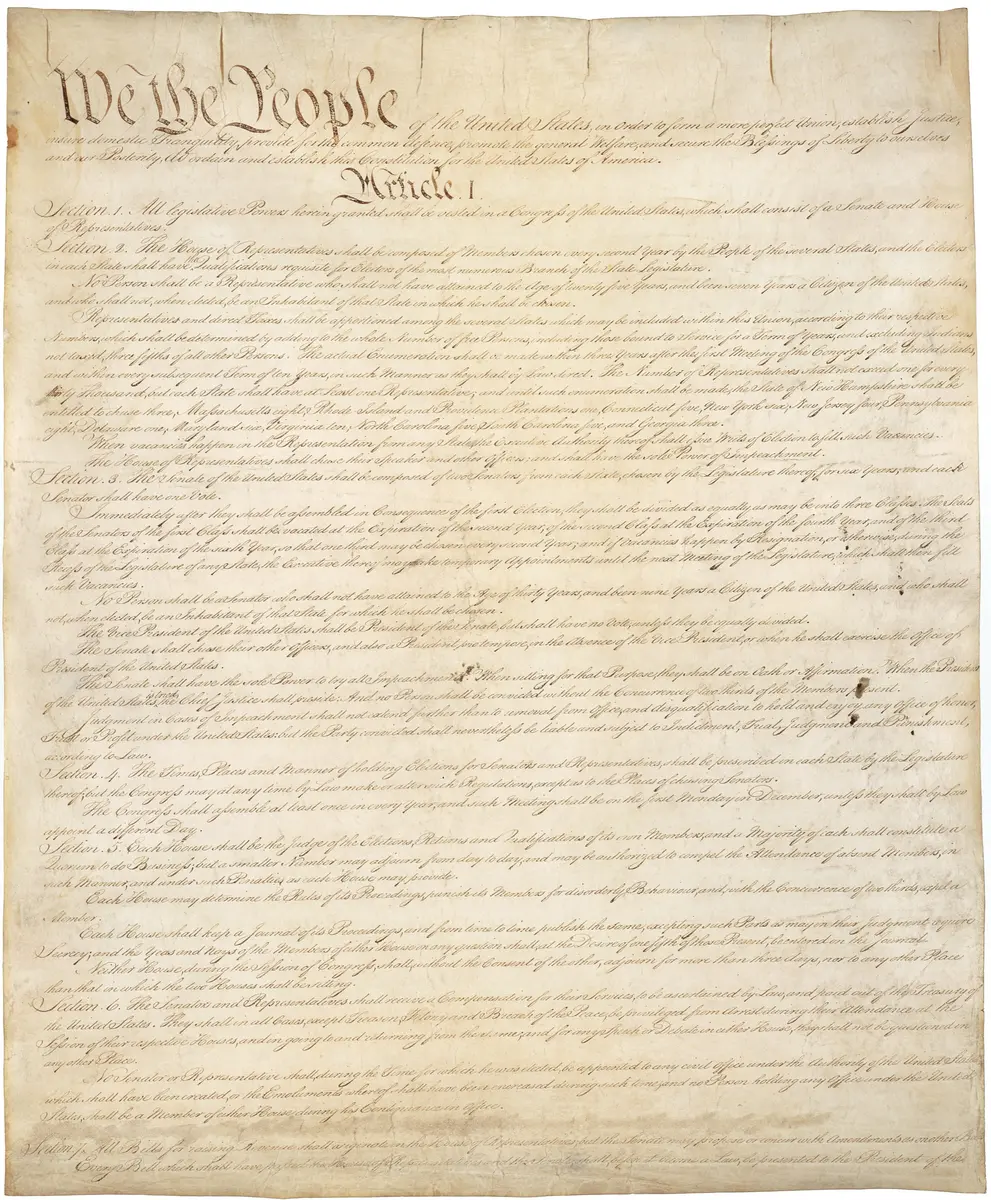
When the Revolution came he wrote pamphlets against the Loyalists, and in March 1776 he became captain of a New York artillery company, fighting at Trenton and Princeton. From March 1777 he served four years on Washington's staff as an aide-de-camp with the rank of lieutenant colonel, writing much of the general's correspondence and, thanks to his fluent French, dealing with the French allies. On 14 December 1780 he married Elizabeth Schuyler, daughter of General Philip Schuyler, one of New York's leading men; they had eight children. Longing for a command in the field, he left the staff after a quarrel early in 1781, and on 14 October 1781 he led the successful American assault on Redoubt 10, a British strongpoint at Yorktown, days before Cornwallis surrendered. After the war he became a lawyer in New York, defended Loyalists in the courts, helped found the Bank of New York in 1784, and at the Annapolis meeting of 1786 drafted the call for a convention to strengthen the Union. At Philadelphia in 1787 his own plan for an almost all-powerful national government won no support, but he signed the Constitution as the only delegate from New York, and then, with James Madison and John Jay, wrote The Federalist to win his state's approval.
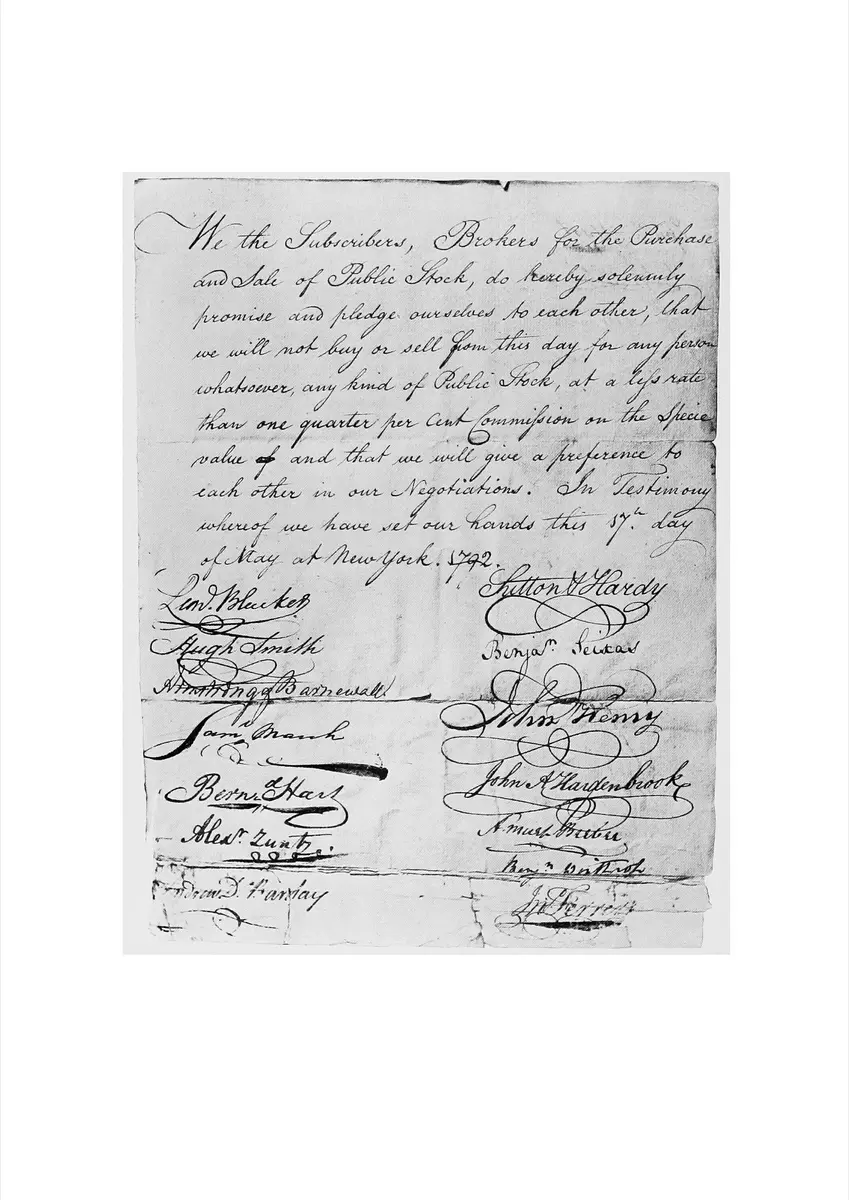
He took the oath as Secretary of the Treasury on 11 September 1789. His Report on Public Credit, sent to the House in January 1790, called the war debt 'the price of liberty' and proposed to fund it at full value and to have the federal government assume the states' debts, which would also tie the men who held the bonds to the new government; it passed only after a bargain with Jefferson and Madison that placed the future capital on the Potomac. His Report on a National Bank in December 1790 led to the Bank of the United States, modelled on the Bank of England; when Jefferson argued that the Constitution gave no power to charter a bank, Hamilton answered with the doctrine of 'implied powers', and Washington signed the bill in February 1791. Congress founded the Mint on his plan in 1792, though under the State Department, and authorized the revenue cutters, proposed by him, that became the Coast Guard, while his Report on Manufactures of December 1791 was ignored at the time. When a speculator's collapse set off the Panic of 1792, he had the Treasury buy government bonds and lend against good collateral at a penalty rate, the rules of crisis rescue that central bankers would learn from Walter Bagehot eight decades later. Tired of attacks and needing to earn more than his salary of $3,500, he left office on 31 January 1795.
Out of office he stayed the leader of the Federalists: he drafted most of Washington's Farewell Address of 1796, and in 1798, when war with France was feared, became inspector general of the army. In 1797, charged in print with secret speculation, he cleared himself by publishing the story of his affair in 1791 with Maria Reynolds, whose husband had blackmailed him. In 1800 he split his own party with a pamphlet attacking President John Adams, then helped make Jefferson president rather than Aaron Burr, whom he distrusted more. In November 1801 he founded the New-York Evening Post, and in the same month his eldest son, Philip, aged nineteen, was killed in a duel; in 1802 the family moved into the Grange, his new country house in upper Manhattan. In 1804 Burr, who had just lost the race for governor of New York, demanded an explanation of a 'despicable opinion' of him that Hamilton was reported to have voiced, and Hamilton would not disown it. They met at Weehawken, New Jersey, on the morning of 11 July 1804; Hamilton had resolved to throw away his first shot, and Burr's bullet struck him above the hip. He died the next afternoon and was buried in the churchyard of Trinity Church. His system of a funded national debt, a national bank and a sound currency became the foundation of American finance, and his face has been on the ten-dollar note since 1929.
What happened
- 1755
Alexander Hamilton is born in Charlestown on the island of Nevis, the son of Rachel Faucette and the Scottish trader James Hamilton, who are not married. The year may be 1757: no record of the birth survives.
Charlestown, Nevis: he was born here on 11 January 1755 or 1757; the Museum of Nevis History stands, by local tradition, on the site of the house- 1768
His mother dies in Christiansted on St Croix, where the family has lived since 1765; his father has left them. The probate court lists her sons James and Alexander, aged 15 and 13.
- 1769
A clerk for the trading house of Beekman and Cruger, he writes to his friend Edward Stevens in New York that he scorns a clerk's lowly life and ends: 'I wish there was a War.'
- 1772
The Royal Danish American Gazette prints his vivid letter on the hurricane that struck St Croix on 31 August. Impressed, local merchants raise money to send him to study in North America, and he arrives late in the year.
- 1773
After a year at a school in Elizabethtown, New Jersey, he enters King's College in New York (later Columbia), and is soon writing in defence of the patriot cause.
- 1776
He is commissioned captain of a New York artillery company, which he leads in the campaign around New York and at Trenton and Princeton.
- 1777
He joins George Washington's staff as an aide-de-camp with the rank of lieutenant colonel, and for four years writes much of the general's correspondence.
- 1780
He marries Elizabeth Schuyler, daughter of General Philip Schuyler, at her family's house in Albany.
- 1781
Given a field command at last, he leads the American assault that takes Redoubt 10, a British strongpoint at Yorktown, days before Cornwallis surrenders.
- 1782
After a few months of study in Albany he is admitted to practise law; in November he takes a seat in the Continental Congress, where he argues for a stronger central government.
- 1784
Now a lawyer in New York, he helps found the Bank of New York and writes its constitution, and defends Loyalists in the courts.
- 1786
At a meeting of the states in Annapolis on trade, he drafts the address that calls for a convention in Philadelphia the next May.
- 1787
At the Constitutional Convention he speaks for some six hours for a plan that would leave the states little power and give the nation an executive for life. It wins no support.
He signs the new Constitution, the only delegate from New York to do so.
The first essay of The Federalist, his own, appears in a New York newspaper under the name 'Publius'. By May 1788 he, James Madison and John Jay have written 85; at least 51 are Hamilton's.
- 1789
He takes the oath as the first Secretary of the Treasury, nine days after Congress creates the department.
- 1790
His Report on Public Credit, dated 9 January, goes to the House: pay the war debt in full and let the nation take over the states' debts. It becomes law that summer after his bargain with Jefferson and Madison over the capital.
He sends Congress his Report on a National Bank, proposing a Bank of the United States on the model of the Bank of England.
- 1791
Answering Jefferson's argument that the Constitution gives no power to charter a bank with his doctrine of 'implied powers', he persuades Washington to sign the Bank bill.
The First Bank of the United States, South Third Street, Philadelphia: the bank he designed, in its own building from 1797He submits the Report on Manufactures, his case for government help to young industries. Congress does nothing with it.
- 1792
The speculator William Duer, once his assistant, defaults and bond prices collapse. Hamilton has the Treasury buy bonds and lend against good collateral at a penalty rate, and by April the panic is over.
The Coinage Act creates the United States Mint in Philadelphia, as he had proposed; its first copper cents come out in March 1793.
- 1795
Worn down by attacks and needing to earn more than his salary of $3,500, he leaves the Treasury and returns to his law practice in New York.
- 1796
Washington's Farewell Address is published; Hamilton has drafted most of it.
- 1797
Accused in print of secret speculation, he publishes the 'Reynolds pamphlet', admitting an affair in 1791 with Maria Reynolds, whose husband blackmailed him, to prove his honesty as a public officer.
- 1801
The first number of the New-York Evening Post, the Federalist newspaper he has helped to found, comes out under the editor William Coleman.
His eldest son, Philip, aged nineteen, dies of a wound received the afternoon before in a duel across the Hudson with George Eacker, a lawyer who had attacked his father's politics. A friend writes that he never saw a man so overwhelmed with grief.
- 1802
The family moves into the Grange, the country house John McComb Jr. has built for him on a 32-acre estate in upper Manhattan.
The Grange, upper Manhattan: his country house from 1802 until his death - 1804
During the race for governor of New York, which Aaron Burr loses, the Albany Register prints a letter saying that Hamilton has expressed a 'despicable opinion' of Burr.
Burr's second, William P. Van Ness, hands Hamilton a note demanding an explanation. Hamilton will not give the general disavowal Burr wants, and the exchange ends in a challenge.
Early in the morning the two men meet on the heights at Weehawken, New Jersey, at ten paces. Hamilton has resolved to throw away his first shot; Burr's bullet strikes him above the right hip, and he is taken back across the river by boat to William Bayard's house at Greenwich.
Weehawken, New Jersey: the duelling ground on the cliffs above the Hudson where Aaron Burr shot him on 11 July 1804- 2:00 p.m.
Alexander Hamilton dies at William Bayard's house at about two in the afternoon, after taking communion from Bishop Benjamin Moore. Two days later he is buried in the churchyard of Trinity Church.
Trinity Churchyard, lower Manhattan: his grave, where he was buried on 14 July 1804