Beethoven
“The composer from Bonn who carried music from Haydn and Mozart into the Romantic age, and wrote his greatest works, the Ninth Symphony among them, while going deaf.”
Ludwig van Beethoven was the German composer who carried music from the Classical age of Haydn and Mozart into the Romantic age that followed. He made the symphony, the piano sonata, the concerto and the string quartet bigger, louder and more personal than anyone before him, and in the last movement of his Ninth Symphony he brought singers into a symphony for the first time. He did much of this while going deaf: some of his greatest works were written when he could no longer hear at all. He was also one of the first composers to live without a post at a court or a church, from the sale of his music, from concerts and from patrons who paid him simply to compose.
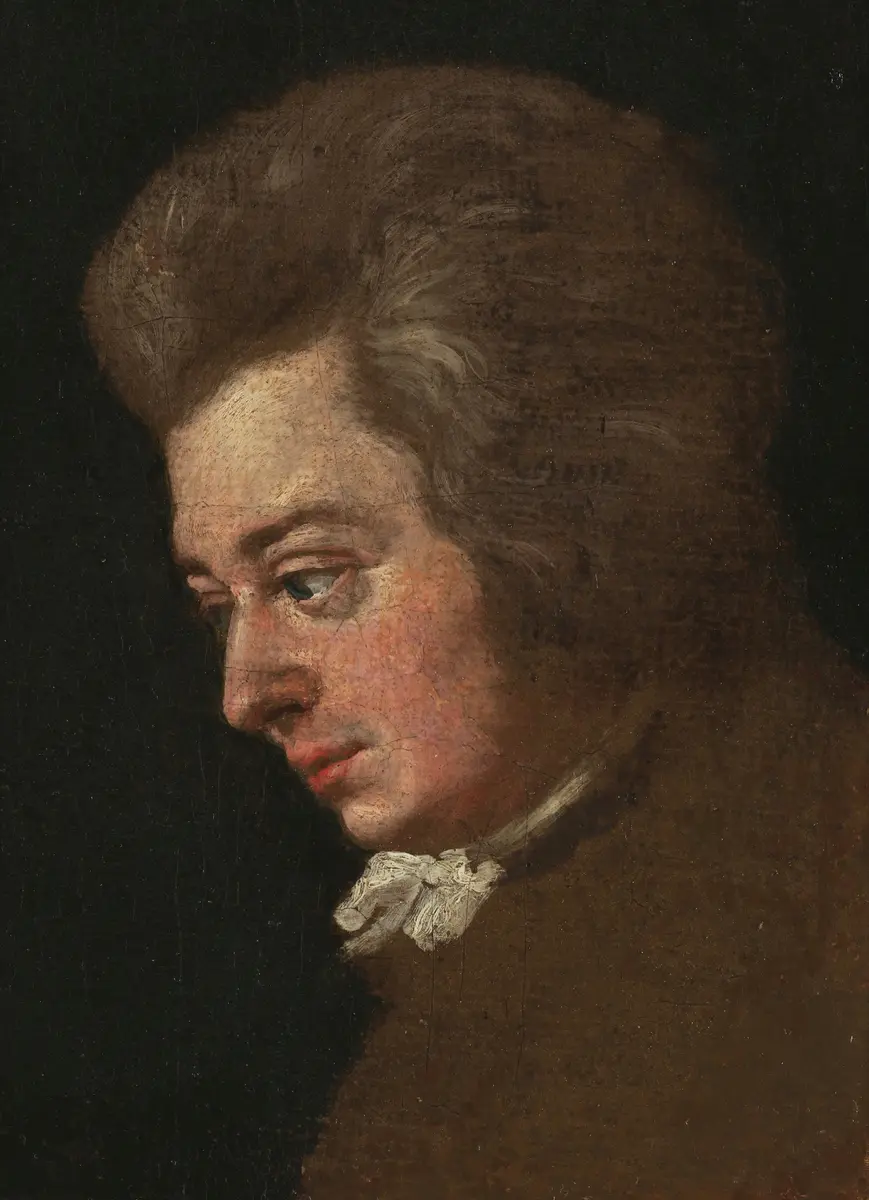
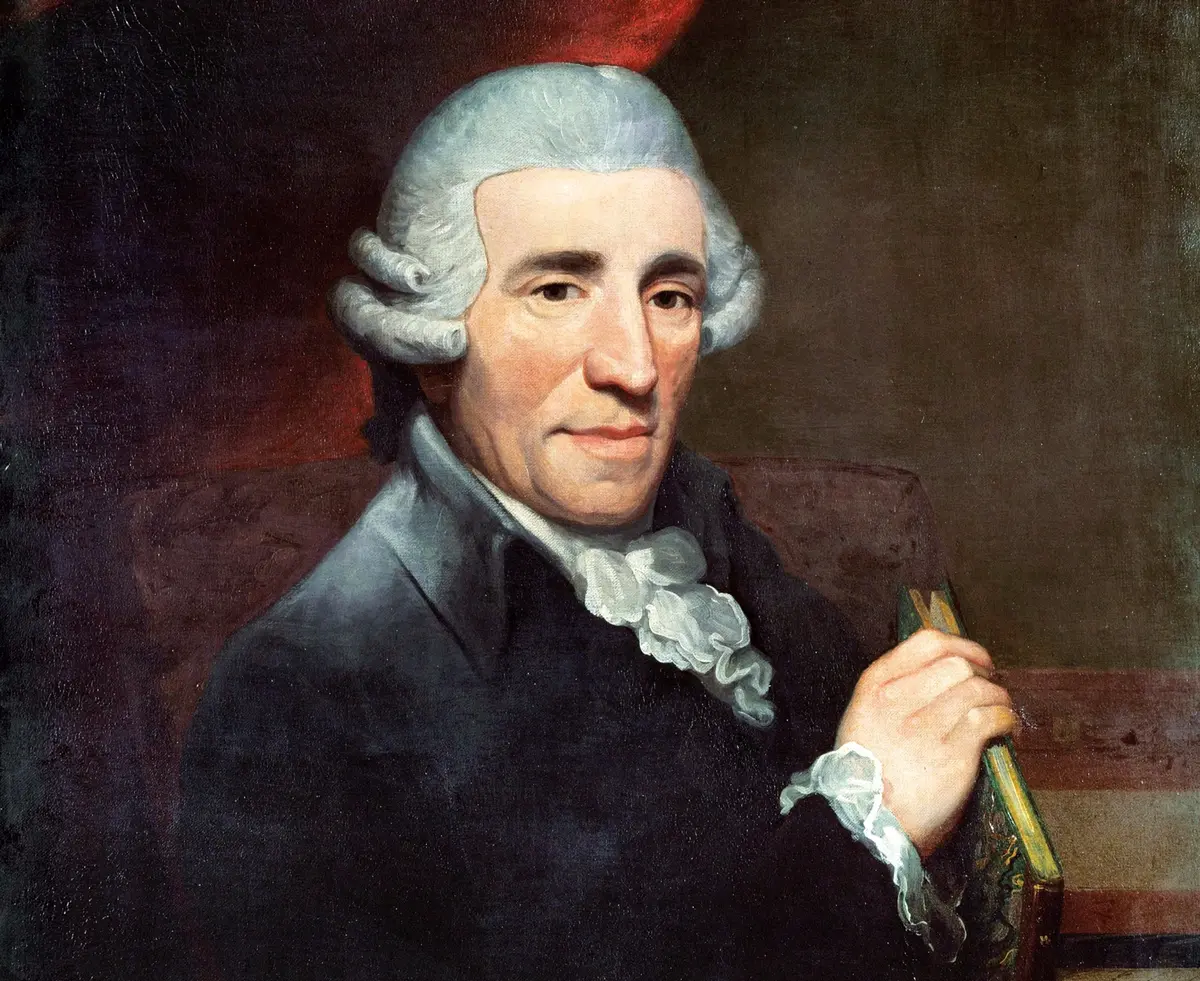
He was baptised in Bonn on 17 December 1770 and was probably born the day before. Bonn was then the small capital of the archbishop-elector of Cologne, and the Beethovens, a family of Flemish origin, were court musicians: his grandfather led the elector's music, his father Johann sang tenor in the choir. Johann drank, and tried to turn his son into a child prodigy like Mozart. Ludwig left school at eleven, studied with the court organist Christian Gottlob Neefe, published his first piece at about the same age and at eighteen was supporting the family. In 1787 he went to Vienna to study with Mozart, but had to hurry home after a few weeks because his mother was dying. In 1790 Joseph Haydn passed through Bonn, saw one of his cantatas and offered to teach him, and in November 1792 Beethoven left for Vienna, with a friend's wish in his album that he would 'receive Mozart's spirit from Haydn's hands'. He never went back.
In Vienna the aristocracy took him up at once as a pianist who could improvise like no one else, and princes such as Lichnowsky housed and paid him. He took lessons from Haydn, Albrechtsberger and Salieri, published his Opus 1 in 1795 and presented his First Symphony in 1800. By then he knew he was losing his hearing. In the autumn of 1802, at the village of Heiligenstadt, he wrote a letter to his brothers, never sent, in which he said only his art had held him back from ending his life. What followed was the most productive decade of his life: the Third Symphony, whose dedication to Napoleon he tore up when Napoleon made himself emperor, renaming it 'Eroica'; his only opera, Fidelio, first staged in 1805 with French troops in the city; the Fifth and Sixth Symphonies, first played at one long concert in December 1808. In 1809 three noblemen, among them the emperor's brother, Archduke Rudolph, promised him a yearly income for life on the single condition that he stay in Vienna and compose. He fell in love more than once but never married; after his death a passionate letter to an unnamed 'Immortal Beloved' was found locked in a drawer.
From about 1819 he was completely deaf, and visitors wrote what they wanted to say in notebooks, his 'conversation books'. His last years were also taken up by a bitter fight for the guardianship of his nephew Karl. He wrote less, but the late works, the Hammerklavier Sonata, the Missa solemnis, the Diabelli Variations, the last piano sonatas and string quartets, have a density of thought beyond anything he had written before and are still among the most admired music ever composed. At the first performance of the Ninth Symphony, on 7 May 1824, he stood on the stage and had to be turned round to see the audience applauding. He died in his apartment in the Schwarzspanierhaus in Vienna on 26 March 1827, aged 56, of liver disease; some 20,000 people came to his funeral, and Franz Schubert was one of the torchbearers.
He is, in Britannica's words, widely regarded as the greatest composer who ever lived. The Romantics took him as their model of the composer as a hero and an artist answerable only to himself, and his nine symphonies became the centre of the concert repertoire everywhere. The tune of the Ninth's finale, set to Schiller's 'Ode to Joy', was adopted as the anthem of the Council of Europe in 1972 and of the European Union in 1985, and the story of the deaf man who wrote it is still told as the great example of art made in spite of fate.
What happened
- 1770
Baptised at St Remigius in Bonn, the son of Johann van Beethoven, a tenor of the elector's chapel; he was probably born the day before, but no record of the birth survives.
The Beethoven-Haus, Bonngasse 20, Bonn: his birthplace, now the museum of his life and work- 1778
His father shows him off as a child prodigy at the piano at a public concert in Cologne.
- 1782
Already the assistant of his teacher, the court organist Christian Gottlob Neefe, he publishes his first work, nine variations on a march by Dressler.
- 1784
He is appointed deputy court organist; the new elector, Maximilian Francis, turns Bonn into a lively small capital with a university.
- 1787
The elector sends him to Vienna to study with Mozart; a meeting may have been arranged but is not documented, and after a few weeks he hurries home to his dying mother.
- 1789
He plays the viola in the court orchestra and, with his father drinking, supports the family at eighteen.
- 1792
He leaves Bonn for Vienna to study with Joseph Haydn, who had seen his cantatas on his way through Bonn in 1790; Count Waldstein writes in his album that he will 'receive Mozart's spirit from Haydn's hands'. He never returns.
- 1794
French troops take the Rhineland and the elector flees, so his post and salary in Bonn end; he stays in Vienna, lodging with Prince Lichnowsky and taking extra lessons from Albrechtsberger and Salieri.
- 1795
His first public appearance in Vienna, playing a piano concerto of his own at an academy organised by Haydn; in July his three Piano Trios, Opus 1, come out with a long list of noble subscribers.
- 1800
At his first concert for his own benefit he presents his First Symphony.
- 1801
He confides to his friend Wegeler that he is losing his hearing; he dedicates the Moonlight Sonata to his pupil Giulietta Guicciardi, with whom he is in love.
- 1802
At Heiligenstadt, where he has spent the summer seeking a cure, he writes the Heiligenstadt Testament to his brothers, saying only his art has kept him from ending his life; he adds a postscript on 10 October and never sends it.
Probusgasse 6, Heiligenstadt: the house where he wrote the Heiligenstadt Testament in October 1802, now the Beethoven Museum- 1803
A concert of his works at the new Theater an der Wien: the Second Symphony, the Third Piano Concerto and the oratorio Christ on the Mount of Olives.
The Theater an der Wien, Vienna: where Fidelio, the Fifth and the Sixth Symphonies were first heard, in 1805 and 1808- 1804
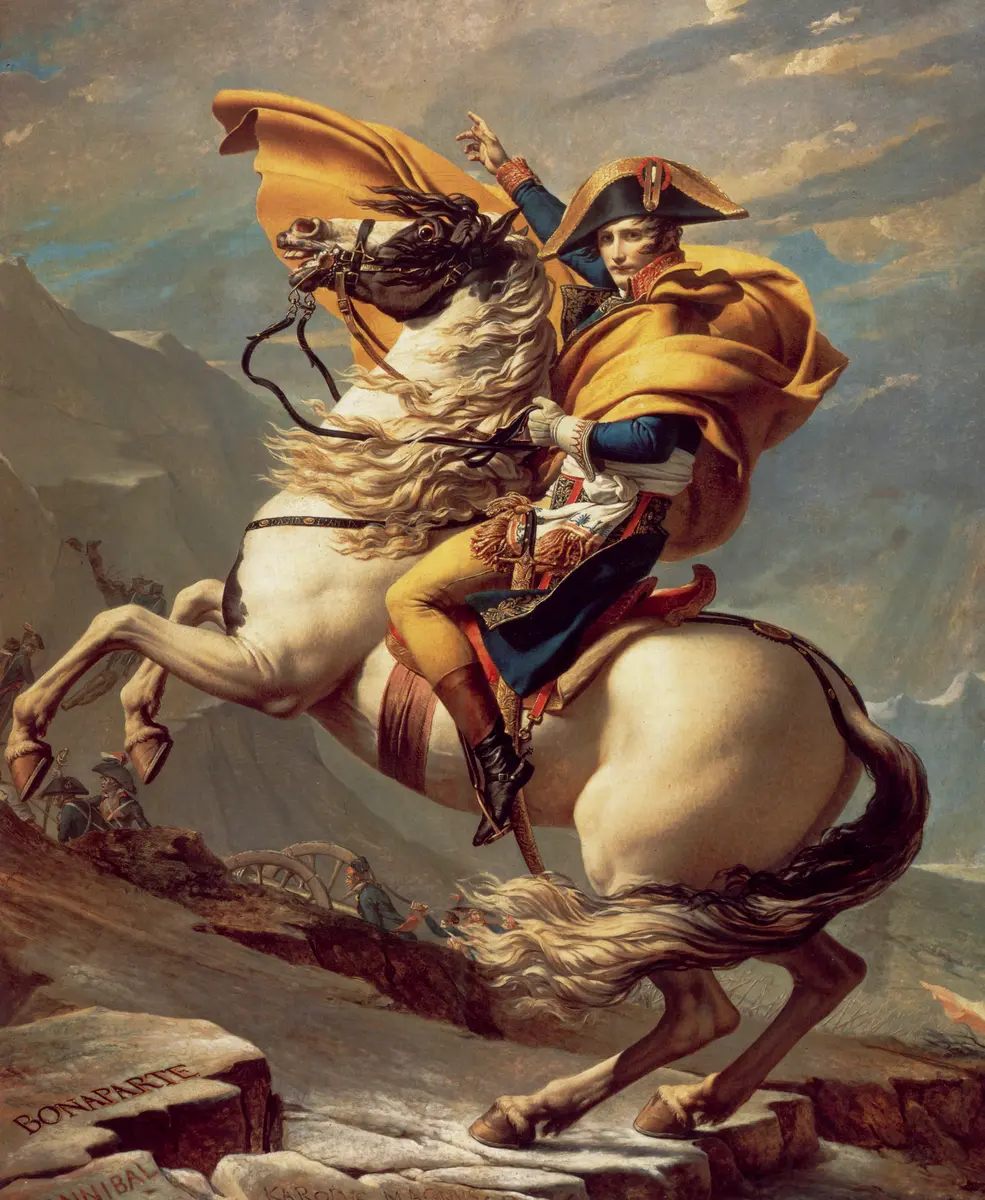
He finishes the Third Symphony, written in honour of Napoleon; when Napoleon makes himself emperor he strikes out the dedication, and the work becomes the 'Eroica'.
He takes rooms on the fourth floor of the Pasqualati House on the Mölker Bastei, his home on and off for eight years.
- 1805
His only opera, Fidelio, first given as Leonore, opens at the Theater an der Wien while French troops occupy Vienna and the nobility has left the city; it fails.
The Theater an der Wien, Vienna: where Fidelio, the Fifth and the Sixth Symphonies were first heard, in 1805 and 1808- 1808
In one long concert at the Theater an der Wien he presents the Fifth and Sixth Symphonies, the Fourth Piano Concerto and the Choral Fantasia.
The Theater an der Wien, Vienna: where Fidelio, the Fifth and the Sixth Symphonies were first heard, in 1805 and 1808- 1809
Offered a post at Kassel by Napoleon's brother Jérôme, he stays when Archduke Rudolph and Princes Lobkowitz and Kinsky promise him 4,000 florins a year for life; in May the French occupy Vienna again.
- 1812
The sculptor Franz Klein takes a plaster cast of his face, the life mask, and models a bust from it.
At the spa of Teplitz he writes the letter to the 'Immortal Beloved', whose name he never gives; that month he meets Goethe there, and the meeting goes badly.
- 1813
The Seventh Symphony and Wellington's Victory, a piece celebrating a defeat of Napoleon's armies, are first played to huge success.
- 1814
With the Congress of Vienna in town he is at the height of his fame: a revised Fidelio triumphs, and he writes a cantata for the gathered monarchs.
- 1815
His brother Kaspar Karl dies; Beethoven goes to law against the boy's mother for the guardianship of his nine-year-old nephew Karl, a fight that lasts for years.
- 1818
So deaf that visitors must write to him in conversation books, he finishes the Hammerklavier Sonata; the piano Thomas Broadwood sent from London arrives.
- 1820
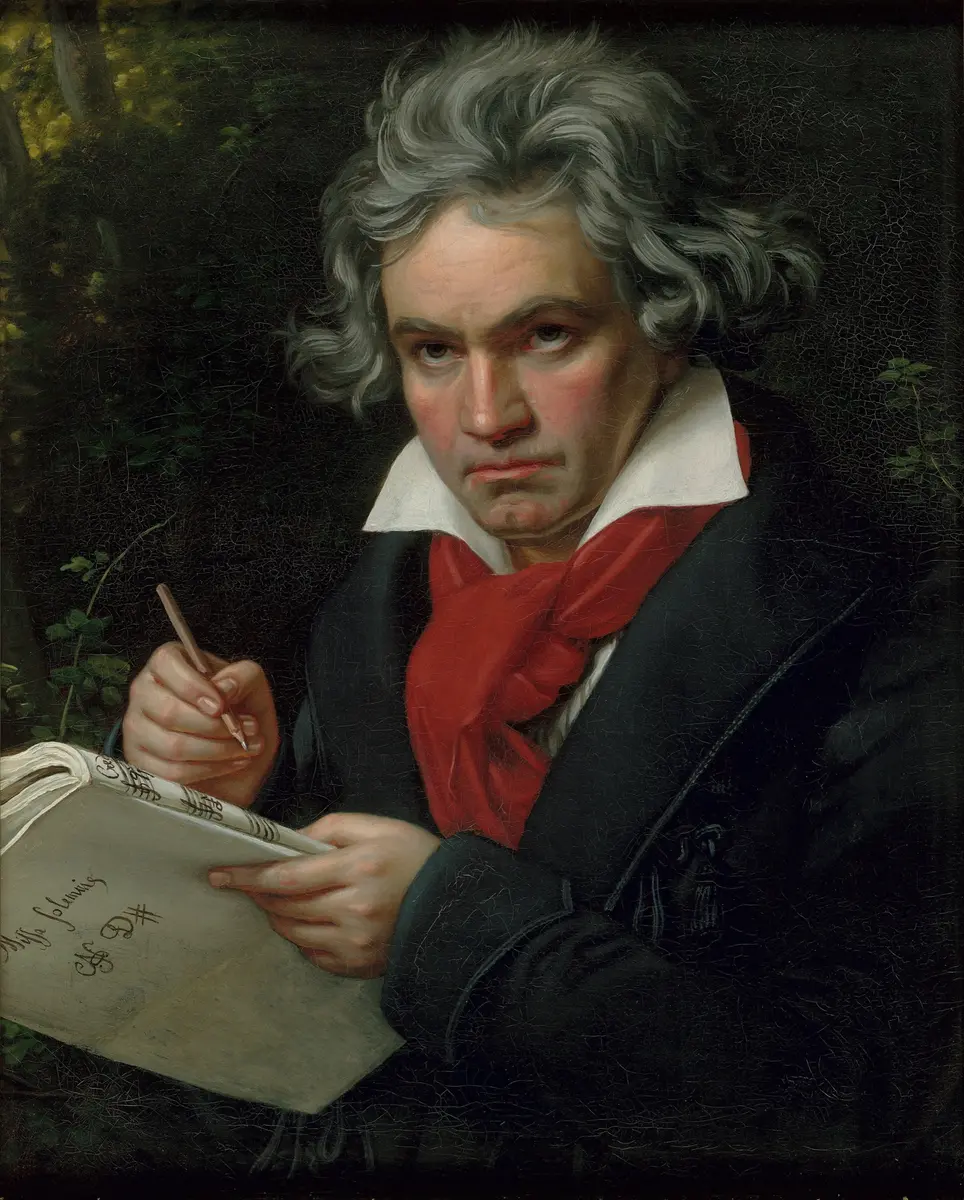
Joseph Karl Stieler paints his portrait with the Missa solemnis, the mass he meant for Archduke Rudolph's enthronement as archbishop of Olmütz in March but finishes only in 1823.
- 1823
He completes the Missa solemnis and the Diabelli Variations, after the last piano sonata, Opus 111, of 1822.
- 1824
The Ninth Symphony, with its choral finale on Schiller's 'Ode to Joy', is first performed at the Kärntnertor Theatre; deaf, he does not hear the applause until a singer turns him round to face the audience.
- 1825
He completes the first of the string quartets commissioned by Prince Galitzin, the start of the late quartets.
- 1826
His nephew Karl tries to shoot himself; uncle and nephew spend the autumn at his brother Johann's estate at Gneixendorf, where he writes his last completed work, a new finale for the Quartet Opus 130.
On the journey back to Vienna he falls ill and takes to his bed in the Schwarzspanierhaus.
The site of the Schwarzspanierhaus, Schwarzspanierstraße 15, Vienna: his last home, where he died on 26 March 1827; the house was pulled down in 1904- 1827
He dies in the Schwarzspanierhaus, aged 56. Three days later about 20,000 people follow his coffin, with Schubert among the torchbearers; he is buried at Währing, and in 1888 he is moved to the Zentralfriedhof.
The site of the Schwarzspanierhaus, Schwarzspanierstraße 15, Vienna: his last home, where he died on 26 March 1827; the house was pulled down in 1904