David Hume
“The Edinburgh sceptic of the Enlightenment who argued that we know causes only by habit and morals only by feeling, wrote a best-selling History of England, and woke Kant from his 'dogmatic slumber'.”
David Hume was an Edinburgh philosopher, historian and essayist, the leading mind of the Scottish Enlightenment. The Stanford Encyclopedia of Philosophy calls him the modern thinker who most rigorously applied the experimental method to the old problems of philosophy. He asked where our ideas come from and answered: from experience. When we say that one thing causes another, all we ever observe is that the two things regularly go together; the expectation that the future will be like the past comes from habit, not from reasoning. Reason, he wrote, is 'the slave of the passions', and right and wrong rest on human feeling. His essay 'Of Miracles' argued that no report of a miracle could ever be strong enough evidence to believe it. In his own lifetime he was better known as the author of a best-selling History of England.
He was born in Edinburgh on 26 April 1711 by the old calendar (7 May by ours), the younger son of Joseph Home, laird of Ninewells, a small estate by the village of Chirnside near the English border. His father died when he was two, and his mother, Katherine Falconer, brought up the three children. He entered the University of Edinburgh at about eleven, was meant for the law, and instead read philosophy until, in 1729, the strain gave him a breakdown that took years to pass. After a few months in a merchant's office in Bristol he went to France in 1734, and at La Flèche in Anjou, beside the Jesuit college where Descartes had been taught, he wrote A Treatise of Human Nature. Published without his name in 1739 and 1740, it 'fell dead-born from the press', he said later, though it did earn him a name as a sceptic and an atheist.
That name cost him the chair of moral philosophy at Edinburgh in 1745 and a chair at Glasgow in 1751; he never held a university post. He tutored a mad young marquess, served as secretary to General St Clair on a failed raid on the Breton port of Lorient in 1746 and on an embassy to Vienna and Turin in 1748, and rewrote the Treatise in shorter, clearer books: the Enquiry concerning Human Understanding (1748), with 'Of Miracles', and the Enquiry concerning the Principles of Morals (1751). As keeper of the Advocates' Library in Edinburgh from 1752 he wrote his History of England (1754–62). Attacked at first by Whigs and Tories alike, it became a best-seller and made him rich; in 1761 the Catholic Church put all his works on its list of forbidden books. In 1753 he also added a footnote to his essay 'Of National Characters' saying he suspected non-white people, in a later version Black people only, to be 'naturally inferior to the whites'. Scholars and the public still argue about it, and in 2020 the University of Edinburgh took his name off one of its buildings because of these views.
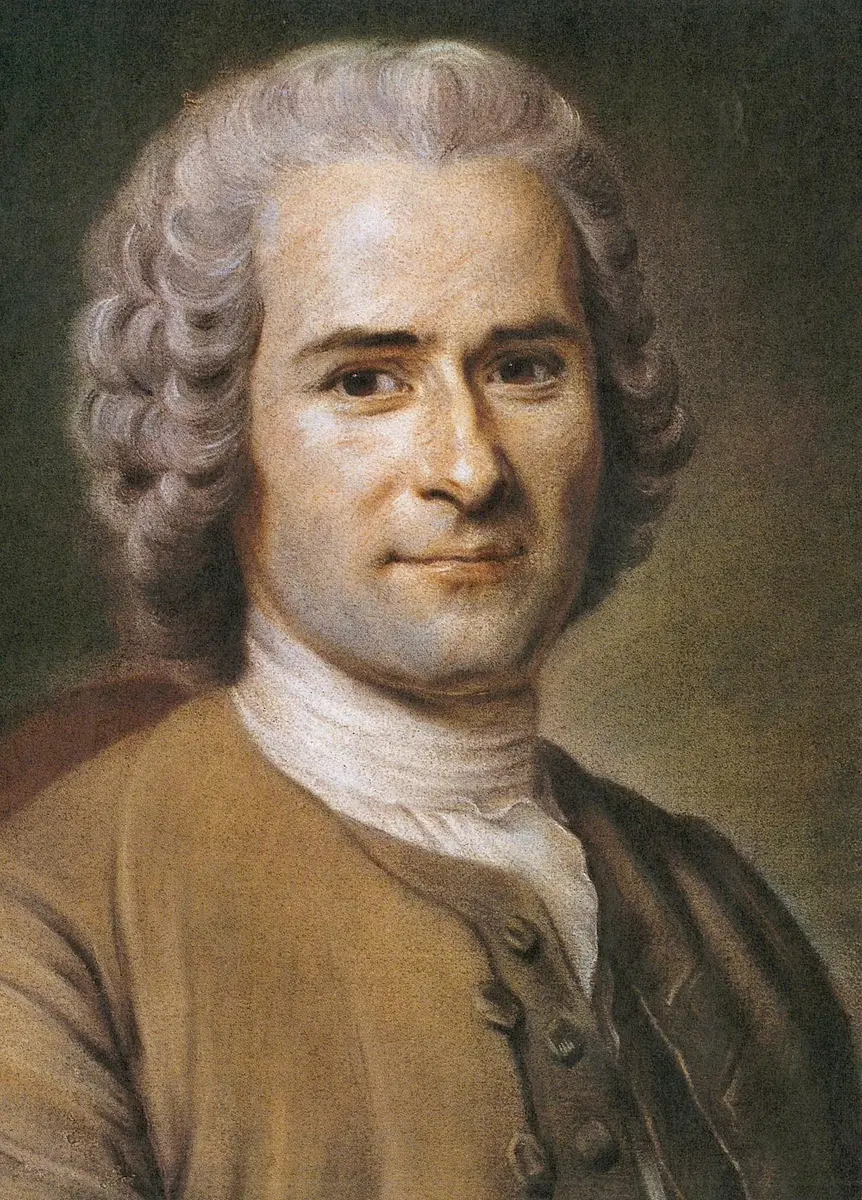
In 1763 Hume went to Paris as secretary to the British ambassador, Lord Hertford, and the salons made him their favourite. In January 1766 he brought the persecuted Jean-Jacques Rousseau to England and found him a home, but within months Rousseau accused him of a plot against him, and Hume published their letters. After a year as an under-secretary of state in London he came home to Edinburgh in 1769, rich, and built a house in the New Town on the street that a young friend jokingly chalked 'St David Street'. Struck by a bowel disease in 1775, he wrote a short, cheerful account of his life, My Own Life, dated 18 April 1776, and died at home on 25 August 1776, calm to the end. He lies on Calton Hill in a round Roman tomb designed by his friend Robert Adam.
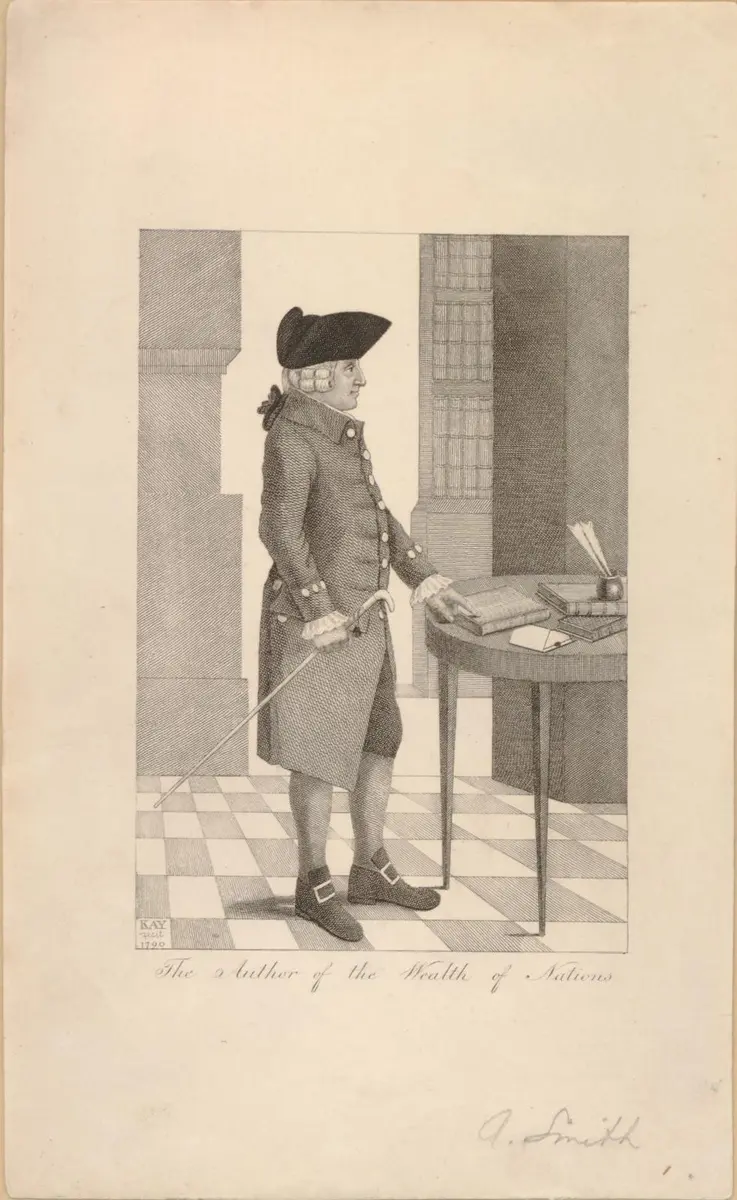
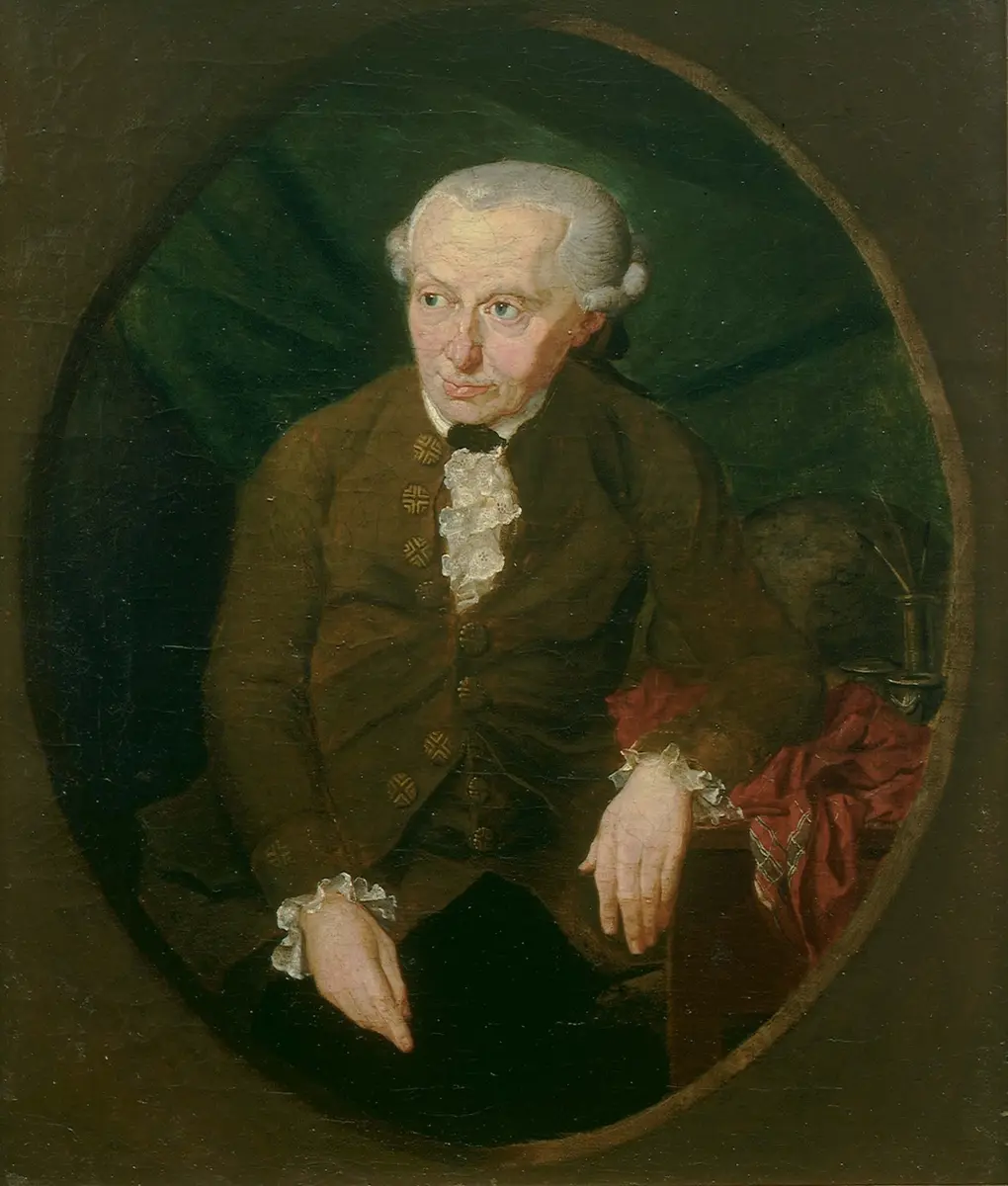
His closest friend, Adam Smith, wrote that Hume came 'as nearly to the idea of a perfectly wise and virtuous man as perhaps the nature of human frailty will permit'. His Dialogues concerning Natural Religion, a sharp attack on the argument that the order of nature proves a designer, was published by his nephew in 1779, as he had arranged. Immanuel Kant said Hume woke him from his 'dogmatic slumber'; Bentham, Darwin and much of modern philosophy owe him a debt, and he is still read as one of the greatest philosophers to write in English.
What happened
- 1711
Born in Edinburgh, on 26 April by the old calendar then used in Britain, the younger son of Joseph Home of Ninewells and Katherine Falconer, daughter of the president of the Court of Session.
- 1713
His father dies, just after David's second birthday; his mother brings up the three children at Ninewells.
Ninewells, the Home family's small estate on the Whiteadder Water by Chirnside, Berwickshire: his childhood home, where he lived again from 1739 to 1745 and from 1749 to 1751 - 1723
Not yet twelve, he enrols at the University of Edinburgh, in the Greek class of William Scott; he leaves at about fifteen without a degree.
- 1729
After years of reading philosophy instead of law, he suffers a nervous breakdown that takes him a few years to get over.
- 1734
He tries a 'more active scene of life' as a clerk to a sugar merchant in Bristol, and gives it up within a few months.
Writes from Reims, in Champagne, where he has settled after a stay in Paris to study cheaply in France.
- 1735
He moves to La Flèche in Anjou, a small town with the Jesuit college where Descartes studied; there he writes most of the Treatise, and an argument with a Jesuit in the cloisters gives him the idea of his case against miracles.
The Jesuit college of La Flèche, Anjou (today the Prytanée national militaire): he lived in the town from 1735 to 1737 and wrote most of the Treatise there - 1737
He returns to London to see the Treatise through the press, cutting out its 'nobler parts', among them the section on miracles.
- 1738
He signs an agreement with the London bookseller John Noon for a first edition of 1,000 copies of the first two books of the Treatise, for £50 and twelve bound copies.
- 1739
A Treatise of Human Nature, Books 1 and 2, 'Of the Understanding' and 'Of the Passions', is published in London without his name. It 'fell dead-born from the press', he wrote later.
- 1740
Book 3, 'Of Morals', follows from Thomas Longman, with an anonymous Abstract of the first two books.
- 1741
The first volume of his Essays, Moral and Political is printed in Edinburgh and well received; a second follows in 1742.
- 1745
Opposed as a sceptic and atheist for the chair of moral philosophy at Edinburgh, he leaves for England to be tutor to the young Marquess of Annandale, who proves to be insane; he stays a year.
Edinburgh's town council gives the chair to William Cleghorn. Hume's anonymous Letter from a Gentleman to his Friend in Edinburgh, defending the Treatise, has not helped.
- 1746
As secretary to General James St Clair, on an expedition first meant for Canada, he lands with the troops in Quimperlé Bay in Brittany; the attack on the port of Lorient fails and the army re-embarks within days.
- 1748
He goes with St Clair on a military embassy to the courts of Vienna and Turin, wearing an officer's uniform; while he is in Turin his Philosophical Essays concerning Human Understanding, later the Enquiry, appears in London, with the essay 'Of Miracles'.
- 1749
Back in Scotland, he spends two years at Ninewells with his brother, his mother being dead, writing the Political Discourses and the Enquiry concerning the Principles of Morals.
Ninewells, the Home family's small estate on the Whiteadder Water by Chirnside, Berwickshire: his childhood home, where he lived again from 1739 to 1745 and from 1749 to 1751 - 1751
He moves to Edinburgh, 'the true scene for a man of letters'. The Enquiry concerning the Principles of Morals, which he thought 'incomparably the best' of his works, appears; friends fail to get him the chair of logic at Glasgow.
- 1752
The Faculty of Advocates elects him keeper of its library, 'master of 30,000 volumes', where he begins his History. The same year his Political Discourses become the first of his books to succeed at once.
Parliament House, Edinburgh: the Advocates' Library, which he kept from 1752 to 1757 and where he wrote the History of England, was housed below its great hall- 1753
In a new edition of his essays he adds a footnote to 'Of National Characters' suspecting non-white peoples of being 'naturally inferior to the whites'; he later narrows it to Black people and keeps it to his last edition.
- 1754
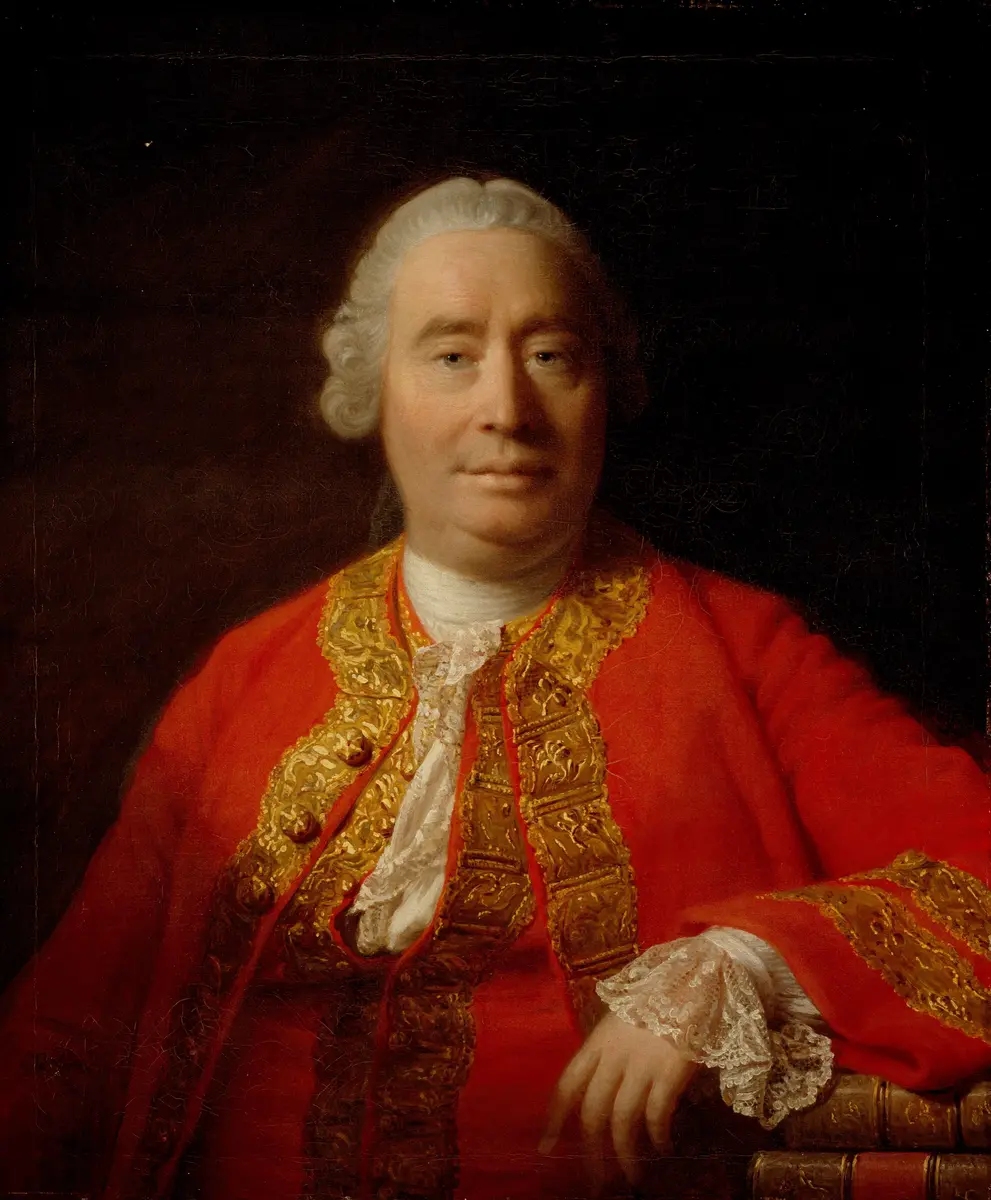
Allan Ramsay paints him, and with Ramsay and Adam Smith he helps found the Select Society, Edinburgh's debating club.
The first volume of his History of Great Britain, on James I and Charles I, is published in Edinburgh. Whigs and Tories alike attack him for shedding 'a generous tear' for Charles I, and in a year his London bookseller sells 45 copies.
Parliament House, Edinburgh: the Advocates' Library, which he kept from 1752 to 1757 and where he wrote the History of England, was housed below its great hallThe library's curators strike three French books he has bought, La Fontaine's Contes among them, out of the catalogue 'as indecent books, and unworthy of a place in a learned library'; he stays for the sake of the books but gives his salary to the blind poet Thomas Blacklock.
Parliament House, Edinburgh: the Advocates' Library, which he kept from 1752 to 1757 and where he wrote the History of England, was housed below its great hall- 1757
Four Dissertations, including The Natural History of Religion, is published; he resigns the library, his research for the History done.
- 1759
The two volumes on the Tudors appear and are attacked as harshly as the first.
- 1761
The early history 'from the invasion of Julius Caesar' completes the History of England in six volumes. The same year the Catholic Church puts all his writings on its Index of forbidden books.
- 1762
Now well off from the History, he moves his house to James's Court, off the Lawnmarket in the Old Town.
- 1763
He arrives at the French court at Fontainebleau as secretary to the new ambassador, Lord Hertford; Paris society, the salons and the philosophes make him their favourite.
- 1765
Made secretary to the embassy, he serves as chargé d'affaires for about four months after Hertford leaves in the summer to govern Ireland.
- 1766
He leaves Paris and crosses to London with Jean-Jacques Rousseau, persecuted in France and Switzerland, and finds him a house at Wootton in Staffordshire and a pension from George III; Ramsay paints them both.
Rousseau, convinced that Hume is plotting against him, sends him a letter 'as long as an ordinary pamphlet' setting out his accusations. Urged by friends in Paris, Hume publishes the quarrel with the letters later that year, first in French and then in English as A Concise and Genuine Account.
- 1767
He takes up the post of under-secretary of state in London under General Conway, Hertford's brother, and stays in the post until 1768; in his own words the job brings him 'all the secrets of the kingdom'.
- 1769
He comes home to Edinburgh for good, 'very opulent', with an income of £1,000 a year, to his old house in James's Court.
- 1770
He writes that he is 'engaged in the building a house, which is the second great operation of human life', in the New Town at the head of the street a friend will chalk 'St David Street'.
St Andrew Square, Edinburgh: his New Town house, begun in 1770 at the head of the street now called St David Street, where he died in 1776- 1775
In the spring he is struck by 'a disorder in my bowels', which he comes to see as mortal; he spends his last months revising his works.
- 1776
He dates My Own Life, the short account of his life he wants printed with his works: 'It is difficult to be more detached from life than I am at present.'
Travelling south for his health, towards London and Bath, he meets Adam Smith and John Home at an inn in Morpeth, on their way north to see him; Home turns back with him.
A codicil to his will leaves his manuscripts to the printer William Strahan and asks that the Dialogues concerning Natural Religion be published.
- 4:00 p.m.
He dies at his house in the New Town about four in the afternoon, 'perfectly sensible' to the end, the chemist Joseph Black writes to Smith; he is buried on Calton Hill.
St Andrew Square, Edinburgh: his New Town house, begun in 1770 at the head of the street now called St David Street, where he died in 1776