Georg Wilhelm Friedrich Hegel
“The Berlin philosopher of the dialectic, who read history as the story of freedom and whose ideas, turned upside down, became Marx's.”
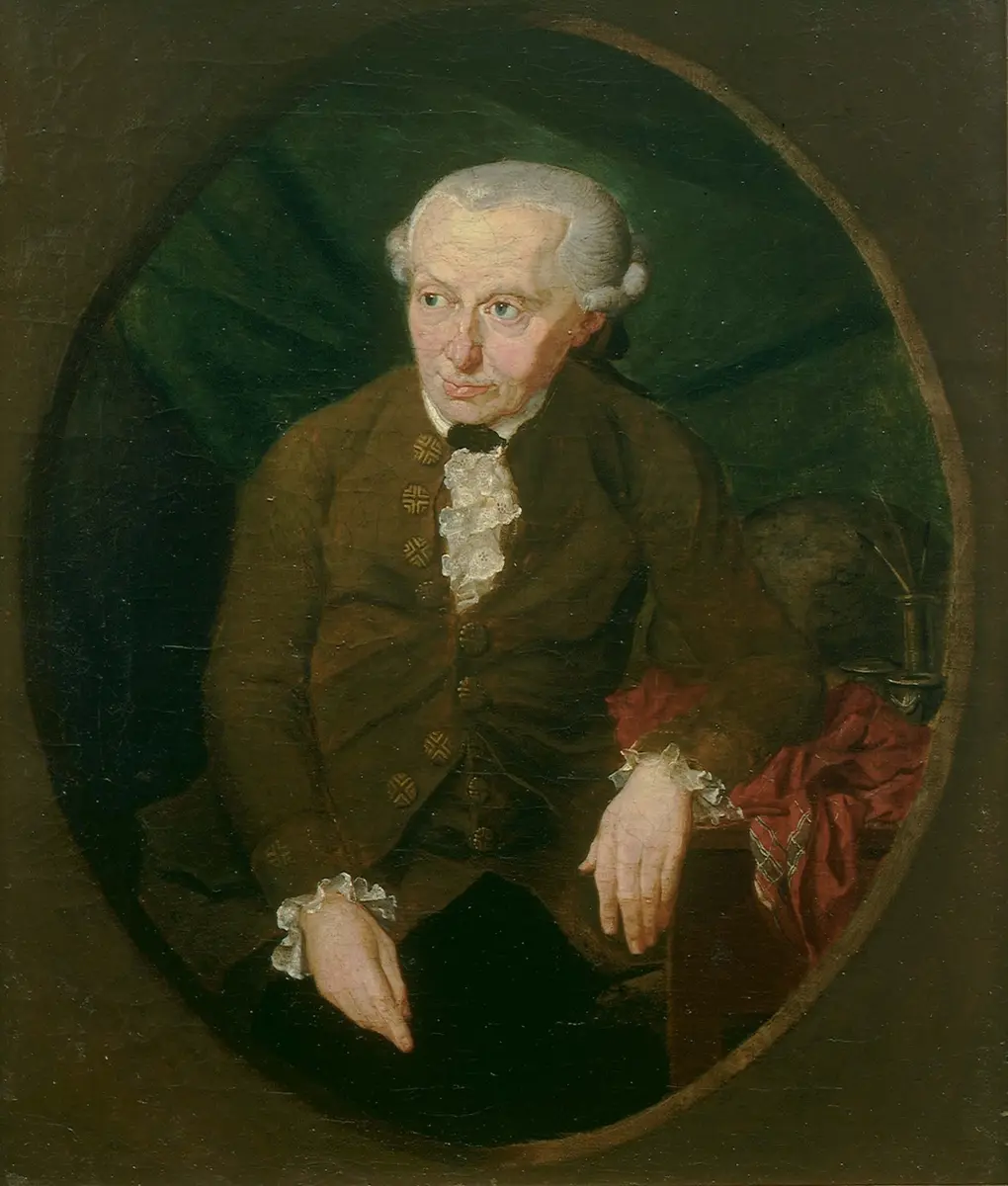
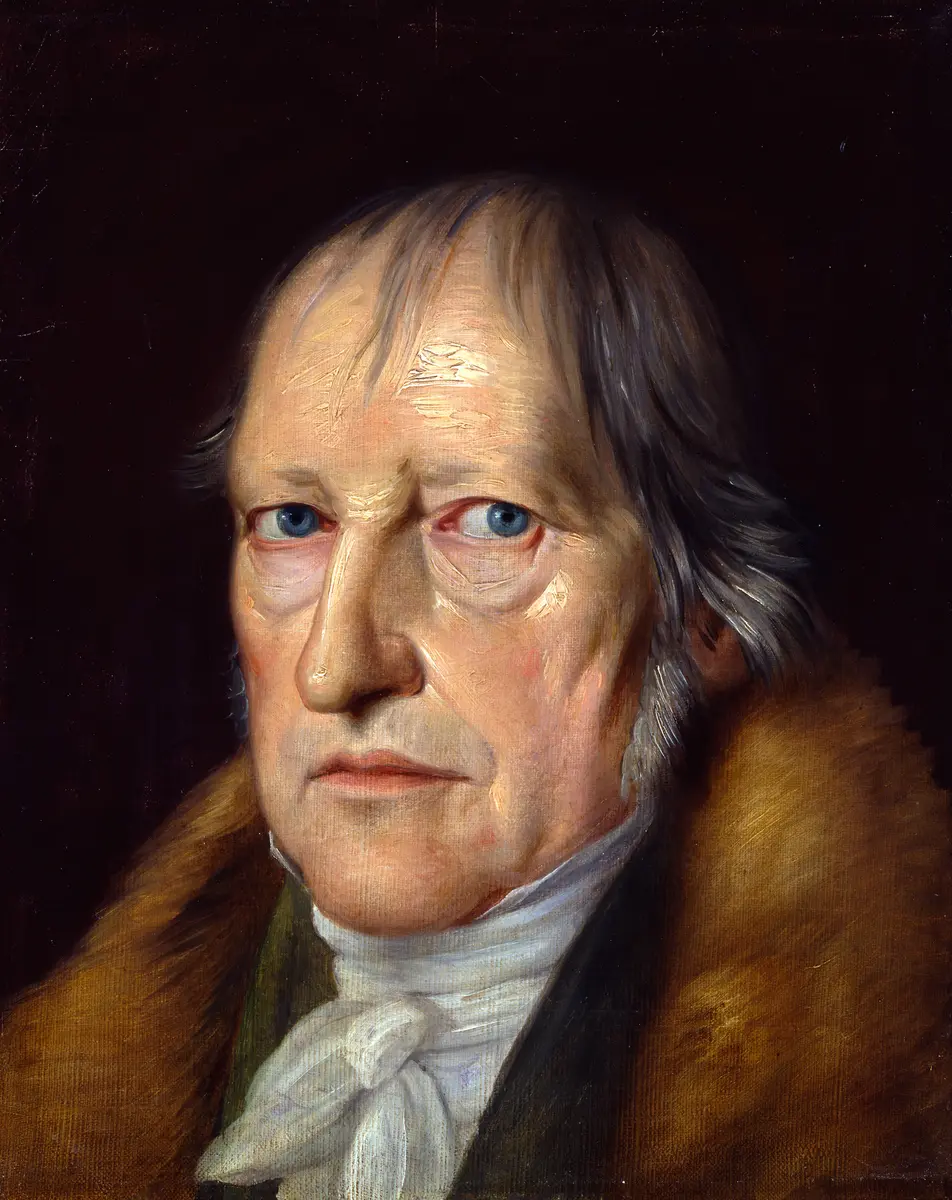
Georg Wilhelm Friedrich Hegel was a German philosopher, born in Stuttgart in 1770, who tried to build one system that explained everything: logic, nature, the human mind, society, art, religion and history. Britannica calls him the last of the great system builders of modern philosophy. He came after Immanuel Kant, Johann Gottlieb Fichte and his own student friend Friedrich Schelling, and with them he is counted among the German idealists; the Stanford Encyclopedia of Philosophy says that movement effectively ended with his death in 1831.
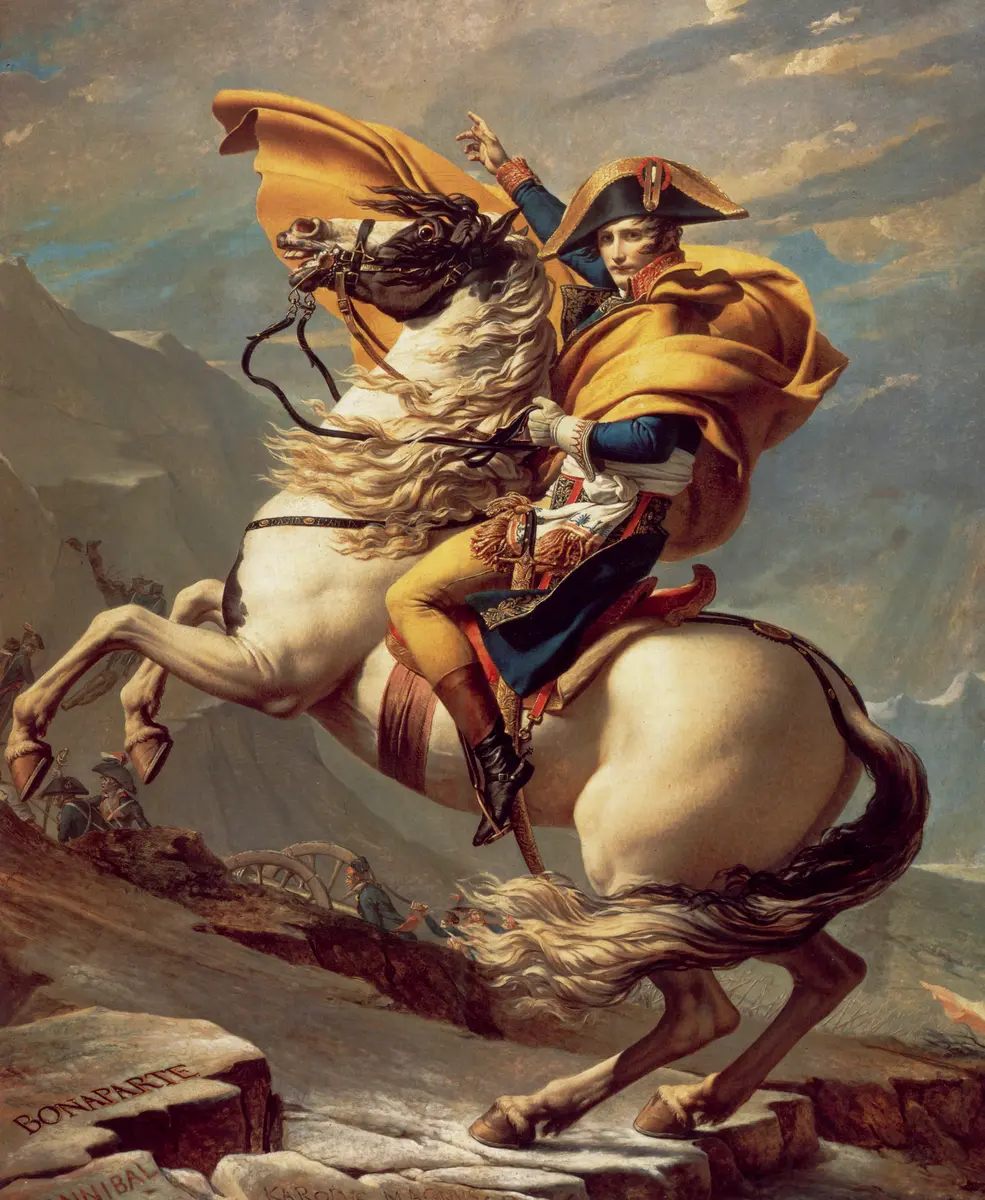
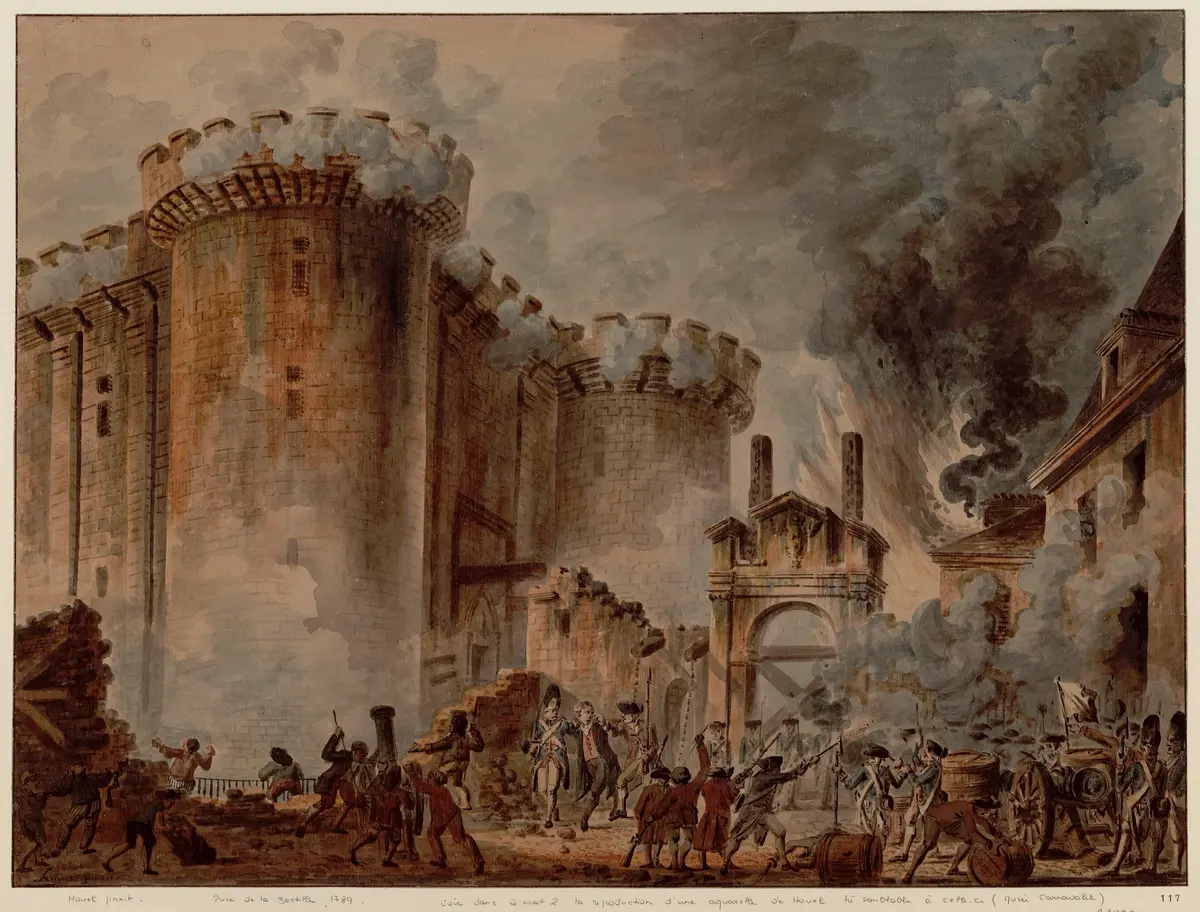
His life was a slow climb. He studied theology at the seminary in Tübingen, where he shared a room with the poet Friedrich Hölderlin and with Schelling, and where the three cheered the French Revolution. He then spent seven years as a family tutor in Bern and Frankfurt and six as a poorly paid lecturer in Jena. He was finishing his first great book, the Phenomenology of Spirit, in October 1806, when Napoleon crushed the Prussian army outside the town; the day before, Hegel had watched the emperor ride through Jena and called him 'this world-soul'. Then came a year editing a newspaper in Bamberg, eight years as head of a school in Nuremberg, two years as a professor in Heidelberg and, from 1818, the chair of philosophy in Berlin, the most prestigious post in German philosophy, where students came from all over Europe to hear him.
His central idea is that reality is a process of development. Thought moves forward by meeting its own contradictions and taking them up into a richer whole, a movement called his dialectic, often summed up as thesis, antithesis and synthesis. He applied this to history, which he read as the story of freedom: 'world history is the progress in the consciousness of freedom', from societies in which one person was free to a modern world in which all are free in principle and must build institutions to match. His Philosophy of Right (1820) describes such a state, a limited monarchy resting on the family and the guild, with a parliament, trial by jury and toleration for Jews and dissenters, and ends its preface with the famous line that the owl of Minerva flies only at dusk: philosophy understands an age only when it is already growing old.
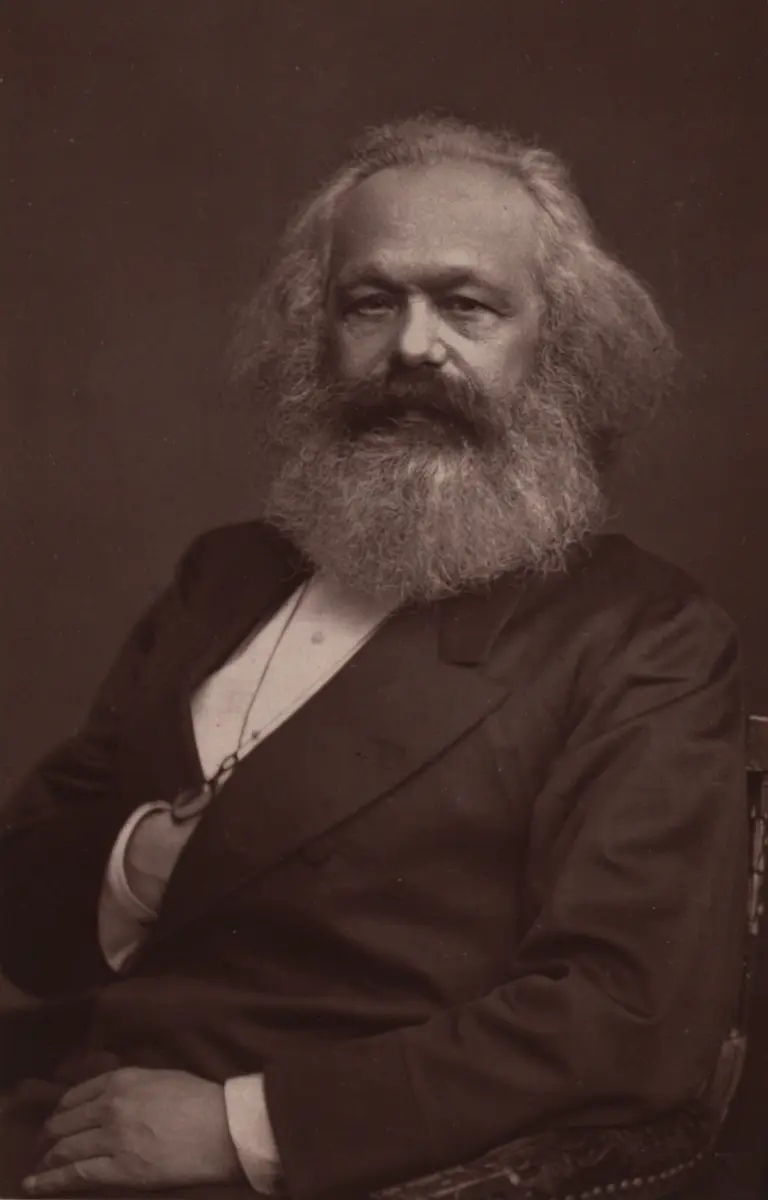
After his death his followers split into a conservative 'right' and a radical 'left'. From the left, Karl Marx kept the idea that history moves through conflict toward freedom but turned it into a materialist theory that ended in communism; Søren Kierkegaard and the existentialists defined themselves against him; Bertrand Russell and the founders of analytic philosophy dismissed him. By his bicentenary in 1970 a Hegel renaissance was under way, and conservatives and revolutionaries alike still claim him.
What happened
- 1770
Born in Stuttgart, capital of the duchy of Württemberg, in the house on the Eberhardstraße, the eldest child of Georg Ludwig Hegel, an official in the ducal revenue office, and Maria Magdalena Louisa, who teaches him the beginnings of Latin.
The Hegel-Haus at Eberhardstraße 53, Stuttgart: born here on 27 August 1770; a museum since 1991- 1783
His mother dies of a 'bilious fever'; Hegel, thirteen, is seriously ill with it too.
- 1788
After the Gymnasium in Stuttgart he enters the Protestant seminary in Tübingen on a ducal scholarship, to train for the ministry as his parents wish; he studies philosophy first, then theology.
The Tübinger Stift, the Protestant seminary where he studied from 1788 to 1793 and shared a room with Hölderlin and Schelling- 1790
He takes his master's degree in philosophy. He shares a room in the Stift with Friedrich Hölderlin and later with the younger Friedrich Schelling; together they read the Greek tragedians and celebrate the French Revolution.
The Tübinger Stift, the Protestant seminary where he studied from 1788 to 1793 and shared a room with Hölderlin and Schelling- 1791
Hölderlin writes in Hegel's album a line from Goethe, 'Pleasure and love are the wings to great deeds'.
The Tübinger Stift, the Protestant seminary where he studied from 1788 to 1793 and shared a room with Hölderlin and SchellingAnother fellow student, Fallot, draws him in the same album as a bent old man on two sticks: 'God help the old man'. His friends call him 'the old man'.
The Tübinger Stift, the Protestant seminary where he studied from 1788 to 1793 and shared a room with Hölderlin and Schelling- 1793
He passes the final examination before the Württemberg consistory. His leaving certificate says he worked hard at philosophy but only now and then at theology; he decides not to become a pastor.
He becomes house tutor to the family of Captain Karl Friedrich von Steiger in Bern, where he reads Gibbon, Montesquieu and Kant and is lonely.
- 1795
In Bern he writes a Life of Jesus that retells the Gospels as a lesson in Kant's ethics, and an essay on how Christianity became an authoritarian religion; neither is published in his lifetime.
- 1797
Hölderlin finds him a new post as tutor to the family of the Frankfurt wine merchant Gogel; Hegel hopes for company, but falls into a long melancholy and works harder than ever.
- 1799
His father dies in Stuttgart and leaves him a small inheritance, enough to risk an unpaid university career.
- 1801
He arrives in Jena, where Schelling, five years younger, has been a professor since 1798.
Jena: lecturer and professor from 1801 to 1807, where he finished the Phenomenology of Spirit as Napoleon defeated the Prussians outside the town on 14 October 1806On his 31st birthday he defends his Latin dissertation on the orbits of the planets and gains the right to lecture at the university, unpaid; his first course, in the winter, has about eleven students.
Jena: lecturer and professor from 1801 to 1807, where he finished the Phenomenology of Spirit as Napoleon defeated the Prussians outside the town on 14 October 1806His first book, The Difference between Fichte's and Schelling's System of Philosophy, takes Schelling's side.
Jena: lecturer and professor from 1801 to 1807, where he finished the Phenomenology of Spirit as Napoleon defeated the Prussians outside the town on 14 October 1806- 1802
With Schelling he founds and writes the Critical Journal of Philosophy, which runs until Schelling leaves Jena in 1803; for years Hegel is taken for Schelling's follower.
- 1805
After petitioning the court at Weimar he is made an extraordinary professor; in July 1806, through Goethe, he draws his first salary, 100 thalers.
Jena: lecturer and professor from 1801 to 1807, where he finished the Phenomenology of Spirit as Napoleon defeated the Prussians outside the town on 14 October 1806- 1806
French troops enter Jena. Hegel sees Napoleon ride out of the town to survey the ground and writes to his friend Niethammer that he has seen 'the Emperor, this world-soul' on horseback; he hopes for the Prussians' defeat.
Jena: lecturer and professor from 1801 to 1807, where he finished the Phenomenology of Spirit as Napoleon defeated the Prussians outside the town on 14 October 1806Napoleon destroys the Prussian army on the plateau outside Jena. Soldiers are quartered in Hegel's lodgings, and he is finishing the manuscript of the Phenomenology of Spirit as the town is occupied.
Jena: lecturer and professor from 1801 to 1807, where he finished the Phenomenology of Spirit as Napoleon defeated the Prussians outside the town on 14 October 1806- 1807
His landlady in Jena, Christiana Burkhardt, gives birth to his son Ludwig Fischer.
Without a paid post, and with his savings gone, he moves to Bamberg to edit a newspaper, the Bamberger Zeitung.
The Phenomenology of Spirit appears in Bamberg: the mind's long climb from sense-certainty to absolute knowing. Schelling reads a barb in its preface as aimed at him, and their friendship ends.
- 1808
He becomes rector of the Aegidien-Gymnasium in Nuremberg, a small but assured income, and teaches philosophy there for eight years.
- 1811
He marries Marie von Tucher, 22 years his junior, from a Nuremberg patrician family; their sons Karl, later a historian, and Immanuel are born in 1813 and 1814.
- 1812
The first volume of the Science of Logic appears in Nuremberg; the work is completed in 1816. It brings him offers from Erlangen, Berlin and Heidelberg.
- 1816
He leaves the school for the chair of philosophy at Heidelberg, back at a university after ten years.
- 1817
For his Heidelberg students he publishes the Encyclopaedia of the Philosophical Sciences, his whole system in outline: logic, nature and spirit.
- 1818
He moves to Berlin to take the chair of philosophy left empty by Fichte's death in 1814.
He gives his inaugural lecture at the University of Berlin.
The University of Berlin, in the former palace of Prince Henry on Unter den Linden: professor of philosophy from 1818 to 1831, rector in 1829–30- 1820
He signs the preface to the Philosophy of Right, which ends with the owl of Minerva that flies only at dusk.
The Philosophy of Right appears, dated 1821 on its title page. He has a copy bound with blank leaves and fills them with notes for his lectures over the next ten years.
- 1822
He lectures for the first time on the philosophy of world history; with his courses on aesthetics, religion and the history of philosophy it draws hundreds of hearers from all over Germany and beyond.
The University of Berlin, in the former palace of Prince Henry on Unter den Linden: professor of philosophy from 1818 to 1831, rector in 1829–30 - 1827
He travels to Paris, and on the way home in October stops at Weimar to visit Goethe.
- 1828
His student Franz Kugler draws him from life at the lectern, bent over his notes.
The University of Berlin, in the former palace of Prince Henry on Unter den Linden: professor of philosophy from 1818 to 1831, rector in 1829–30The painter Julius Ludwig Sebbers paints him in his study in dressing gown and cap; the lithograph made from it spreads his likeness across Germany.
- 1829
He is elected rector of the university for the academic year 1829–30.
The University of Berlin, in the former palace of Prince Henry on Unter den Linden: professor of philosophy from 1818 to 1831, rector in 1829–30- 1830
As rector he gives a Latin oration for the 300th anniversary of the Augsburg Confession; the July revolution in Paris a few weeks later dismays him.
The University of Berlin, in the former palace of Prince Henry on Unter den Linden: professor of philosophy from 1818 to 1831, rector in 1829–30- 1831
His last essay, on the English Reform Bill then before Parliament, begins to appear anonymously in the Prussian state newspaper; the censor stops the final part. The same year King Frederick William III decorates him.
Cholera reaches Berlin; the family spend the summer outside the city, where he finishes revising the first part of the Science of Logic. They return for the winter term.
He dies at home in Berlin after one day's illness; the doctors call it cholera. He is buried, as he wished, in the Dorotheenstadt Cemetery between Fichte and the philosopher Karl Solger.
The Dorotheenstadt Cemetery, Berlin: buried in November 1831 beside Fichte and Solger, as he had wished