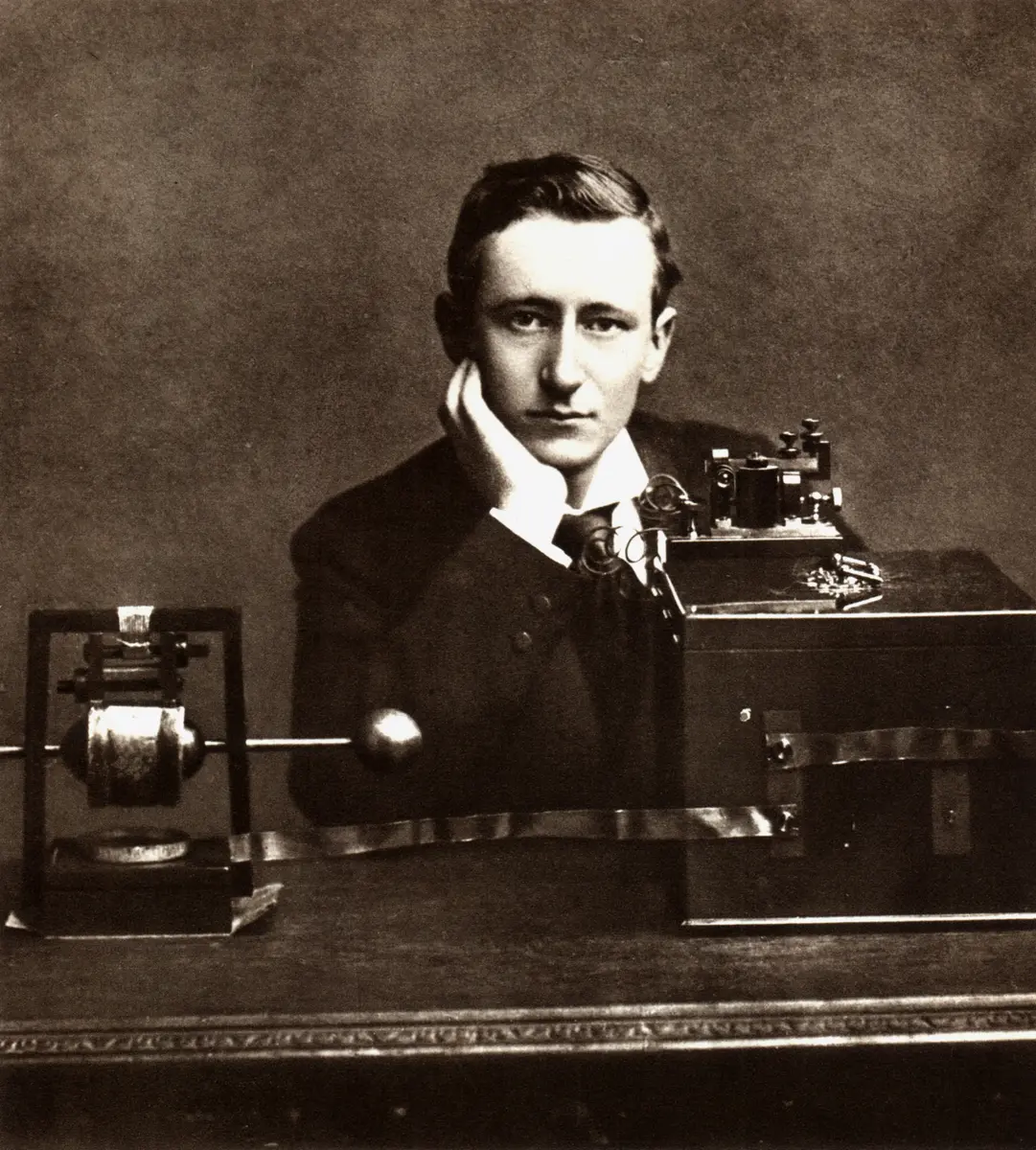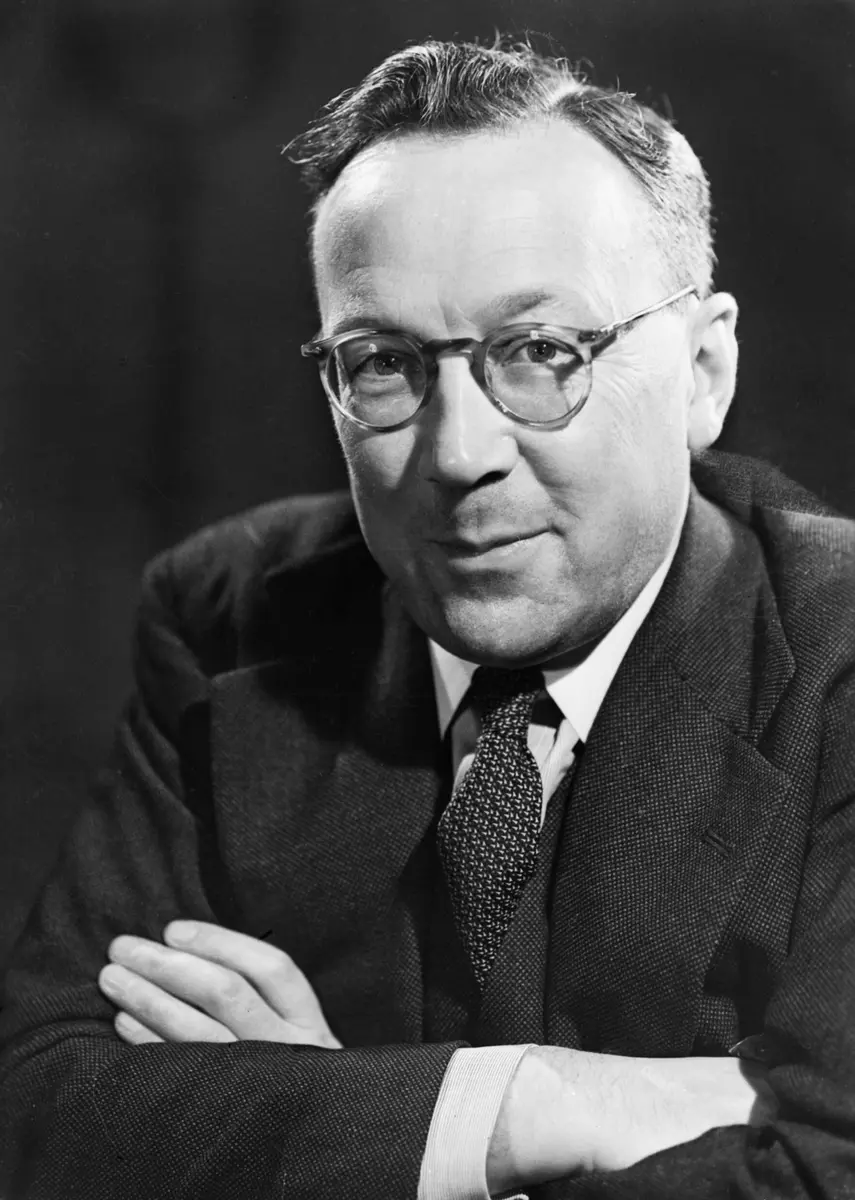
Robert Watson-Watt
“The Scottish radio scientist whose 1935 memo and Daventry test began British radar, and whose Chain Home stations gave the RAF its early warning in the Battle of Britain.”
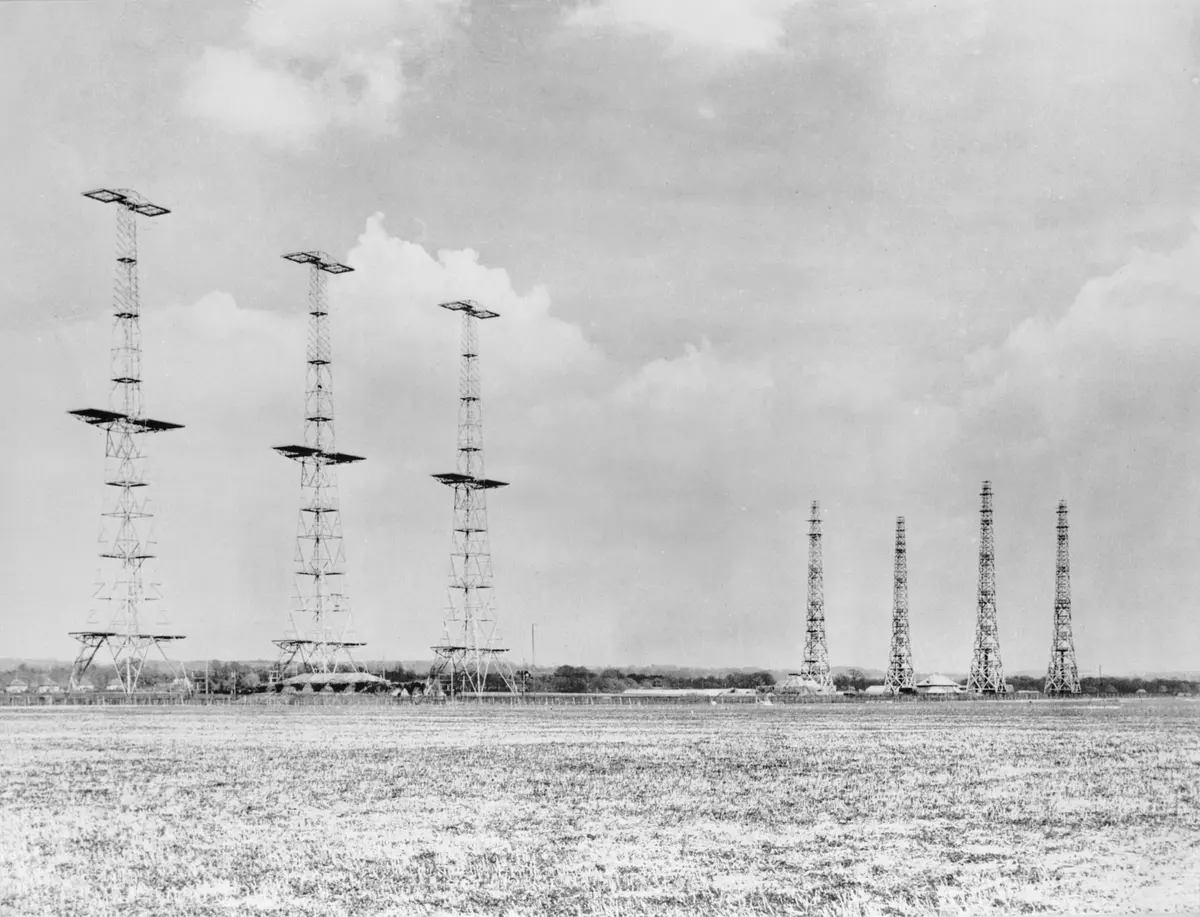
Sir Robert Alexander Watson-Watt (1892–1973) was the Scottish radio physicist who turned radio echoes into an early-warning system for Britain. In February 1935 he set out, in a short secret memorandum, how radio waves bouncing off an aircraft could reveal where it was, how far away and how high. Within a few years his team had built Chain Home, a line of tall masts along the coast that could see German bombers forming up over France, and fed what it saw into the RAF's control rooms. It is the main reason the RAF could meet the attacks of 1940 in the right place at the right time.
He was born on 13 April 1892 at 5 Union Street, Brechin, in Angus, the youngest of five sons of a carpenter, Patrick Watson Watt. Bursaries took him to Brechin High School and to University College, Dundee, then part of the University of St Andrews, where he graduated in engineering in 1912 and stayed on as an assistant to the physics professor William Peddie, who drew him to radio. In the First World War he joined the Meteorological Office with an idea: lightning gives off a burst of radio noise, so a radio direction-finder could track thunderstorms and warn airmen.
That work, first at Aldershot and from 1924 at Ditton Park near Slough, made him an expert in three things that radar would need: finding the direction of a radio signal, catching a split-second signal on a cathode-ray tube, and timing radio pulses sent up to the ionosphere and back (he is credited with coining the word 'ionosphere'). In 1927 he became Superintendent of the Radio Research Station at Ditton Park, and in 1933 head of the radio department of the National Physical Laboratory.
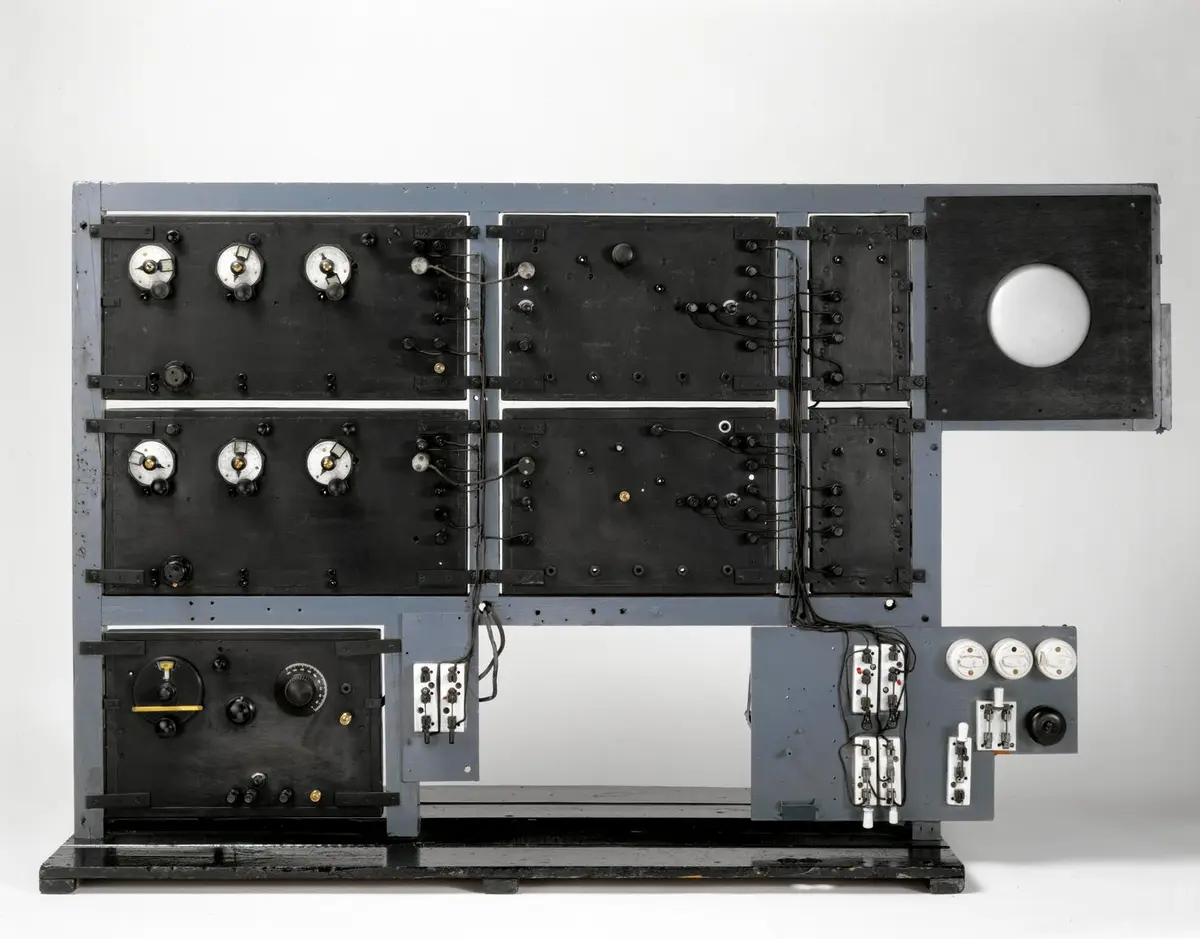
In January 1935 the Air Ministry asked him whether a radio 'death ray' could stop a bomber. His assistant Arnold Wilkins worked out that it could not, but that an aircraft should reflect enough radio energy to be detected. Watson-Watt's memorandum of 12 February was tested two weeks later in a field near Daventry, where a receiver picked up the echo of a Heyford bomber. Money followed at once: his team went to Orford Ness in May 1935 and to Bawdsey Manor in Suffolk in 1936, where he became superintendent. He insisted on working equipment now rather than perfect equipment later, his 'cult of the imperfect': 'give them the third best to go on with; the second best comes too late.' The first Chain Home stations kept a 24-hour watch from September 1938, and by the start of the war about twenty were running.
From 1938 he left the laboratory for advisory posts in the Air Ministry, became the Scientific Adviser on Telecommunications, advised the Americans in 1941 and was knighted in 1942, when he began to write his name with a hyphen. In 1952 he received £50,000, the largest award ever made by the Royal Commission on Awards to Inventors. His later life was restless: a consultancy, years in Canada and the United States, where a policeman with a radar gun once caught him speeding, and three marriages, the last to Dame Katherine Trefusis Forbes, the founding head of the WAAF, whose women had watched his radar screens. He died in Inverness on 5 December 1973 and is buried at Pitlochry. Others in Germany, the United States and elsewhere also built radar in the 1930s; what made his version decisive was that it came with an organisation built to use it.
What happened
- 1892
Robert Alexander Watson Watt is born at 5 Union Street, Brechin, Angus, the fifth son and youngest child of Patrick Watson Watt, a carpenter and joiner, and Mary Matthew.
Union Street, Brechin, Angus: born at No. 5 on 13 April 1892; his statue stands in St Ninian's Square nearby- 1912
Bursaries have taken him from Damacre School and Brechin High School to University College, Dundee, then part of the University of St Andrews. He graduates BSc in engineering with distinction, and Professor William Peddie makes him his assistant and turns him to wireless.
- 1915
In the war he joins the Meteorological Office, at the Royal Aircraft Factory's site at Farnborough near Aldershot, with a plan to locate thunderstorms by the radio crackle of their lightning and warn airmen. He soon proposes showing the bearings on a cathode-ray tube, which only becomes practical in 1923.
- 1916
He marries Margaret Robertson, a teacher from Perth, in Hammersmith, London.
- 1924
His small radio station at Aldershot, now under the Department of Scientific and Industrial Research, moves to the North Park of Ditton Park near Slough. There he and J. F. Herd build a direction-finder that shows a lightning flash's bearing instantly on a cathode-ray tube.
Ditton Park, near Slough: the Radio Research Station, where he worked from 1924 and was Superintendent from 1927 to 1936 - 1927
The Slough teams are merged into the Radio Research Station with Watson Watt as Superintendent. On the day of his appointment his main hut, built around a 210-foot timber mast, burns down. The station goes on to study the ionosphere, a word he is credited with coining, by timing radio pulses.
Ditton Park, near Slough: the Radio Research Station, where he worked from 1924 and was Superintendent from 1927 to 1936 - 1933
After a reorganisation he becomes superintendent of a new radio department of the National Physical Laboratory at Teddington, with the Slough station under it.
- 1935
H. E. Wimperis of the Air Ministry asks him whether a radio 'death ray' could disable an aircraft. Arnold Wilkins calculates that it cannot, but that a bomber should reflect enough radio energy to be detected. On 28 January the Tizard committee, at its first meeting, tells him to pursue the idea.
He sends the Air Ministry his secret memorandum, 'Detection and Location of Aircraft by Radio Methods', setting out how pulses, direction-finding and a cathode-ray display could find aircraft: later called the birth certificate of radar.
- 9:45 a.m.
The Daventry experiment: in a field near Weedon, the Ditton Park receiver picks up the echo of a Heyford bomber flying in the beam of the BBC's short-wave transmitter at Daventry, at up to eight miles. Dowding's approval of funds follows.
The field near Weedon and Stowe Nine Churches, Northamptonshire, where the Daventry experiment of 26 February 1935 detected a Heyford bomber His team arrives on Orford Ness, Suffolk, under cover of an 'Ionospheric Research Station'. By July they follow an aircraft flying to Bircham Newton out to about 25 miles, and five stations around the Thames Estuary are sanctioned.
- 1936
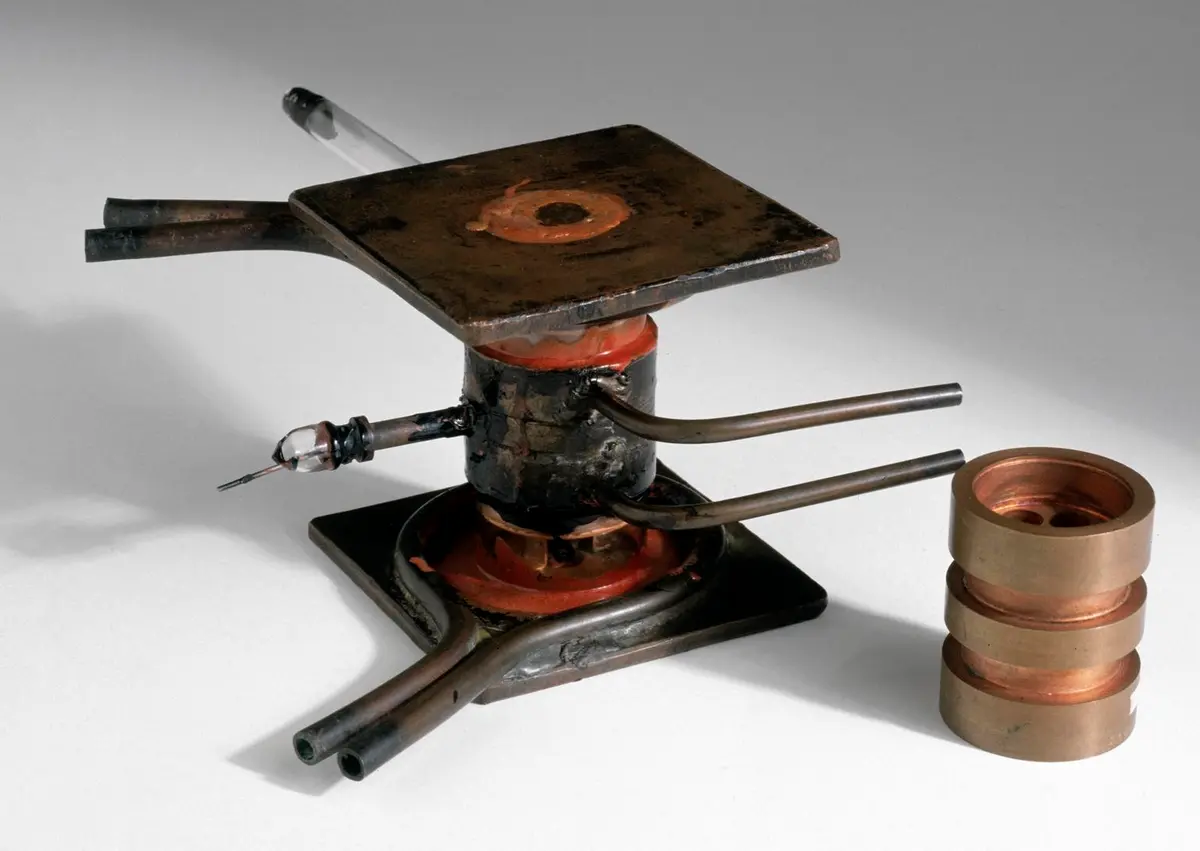
The research moves to Bawdsey Manor, bought by the Air Ministry, and he leaves the National Physical Laboratory to become full-time Superintendent of Bawdsey. Here the TF3 transmitter is built for the first stations.
Bawdsey Manor, Suffolk: the Air Ministry's radar research station from 1936, with Watson-Watt as its first superintendent, and later a Chain Home station- 1938
The first Chain Home stations begin a 24-hour watch. In 1938 he hands Bawdsey to A. P. Rowe and becomes Director of Communications Development at the Air Ministry. The chain itself is a separate story in this calendar.
- 1940
By the eve of the Battle of Britain the chain runs from Shetland to Cornwall, and he is the Scientific Adviser on Telecommunications.
- 1941
He is made a Companion of the Bath, elected a Fellow of the Royal Society and sent to the United States to advise on radar and air defence.
- 1942
The Birthday Honours make him a Knight Bachelor as 'Robert Alexander Watson Watt, C.B., Scientific Adviser on Telecommunications'. From now on he writes his name Watson-Watt.
- 1948
The Royal Society awards him the Hughes Medal for his work on atmospheric physics and radar, after the US Medal for Merit of 1946.
- 1952
The Royal Commission on Awards to Inventors gives him £50,000 tax-free for starting radar, its largest award to one person. His first marriage ends in divorce in October, and on 20 November he marries Jean Drew Smith, a Canadian, at Caxton Hall, London.
- 1956
In Canada, where he now works as a consultant, a policeman with a radar speed gun stops him for speeding; he is fined $12.50.
- 1957
He publishes his memoir, Three Steps to Victory, claiming his 1935 memorandum as the invention of radar.
- 1961
He speaks in Trafalgar Square at a rally against the spread of nuclear weapons.
- 1966
At 74 he marries Dame Katherine Trefusis Forbes, the first head of the Women's Auxiliary Air Force. They spend winters in London and summers in Pitlochry; she dies in 1971.
- 1973
He dies in hospital in Inverness, aged 81, and is buried beside his wife in the churchyard of Holy Trinity, Pitlochry.
Holy Trinity Church, Pitlochry: buried in its churchyard with his third wife, Dame Katherine Trefusis Forbes; he died in Inverness on 5 December 1973